स्पेन सामुदायिक ऊर्जा को पायलट चरण से राष्ट्रीय अवसंरचना की ओर आगे बढ़ा रहा है
pv magazine की रिपोर्ट के अनुसार, स्पेन ने आत्म-उपभोग और सहभागी ऊर्जा समुदायों की 20 नई परियोजनाएं जोड़ी हैं, जिससे देश में इनकी कुल संख्या 262 हो गई है। यह जानकारी पारिस्थितिक संक्रमण और जनसांख्यिकीय चुनौती मंत्रालय, जिसे MITECO के नाम से जाना जाता है, के नवीनतम निर्णय पर आधारित है। इस विस्तार को यूरोपीय संघ-समर्थित Recovery, Transformation and Resilience Plan से €108.4 million की फंडिंग का समर्थन मिला है।
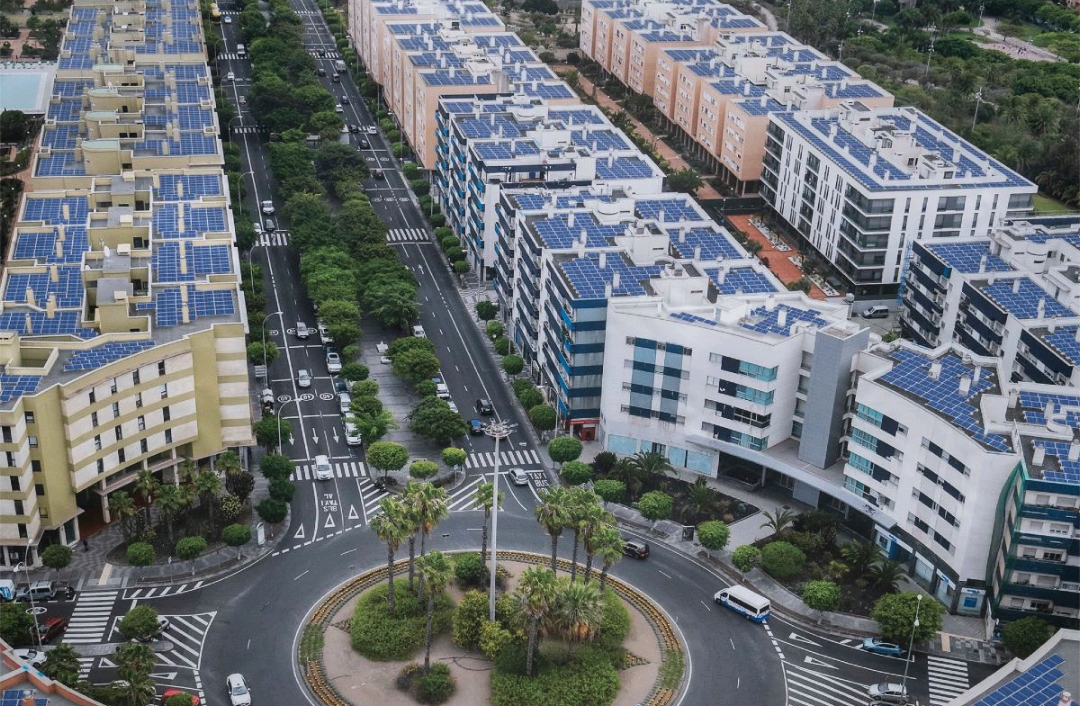
इस पैमाने का महत्व है। ऊर्जा समुदायों को अक्सर साझा स्वामित्व, पड़ोस-स्तरीय सौर परियोजनाओं या नागरिक-नेतृत्व वाले डीकार्बोनाइजेशन के स्थानीय प्रयोगों के रूप में देखा जाता है। स्पेन के ताज़ा आंकड़े संकेत देते हैं कि यह मॉडल अब प्रदर्शन-स्तर से आगे बढ़ रहा है। देश भर में पहले से लागू परियोजनाएं सौर उत्पादन, भंडारण, ऊर्जा-दक्षता उपायों और गतिशीलता समाधानों को जोड़ती हैं, और सामूहिक रूप से 175.3 MW की फोटोवोल्टिक क्षमता के साथ 111,000 से अधिक नागरिकों को शामिल करती हैं।
इसका परिणाम यूरोप में इस बात के सबसे स्पष्ट उदाहरणों में से एक है कि सामुदायिक ऊर्जा का उपयोग केवल एक सामाजिक नीति उपकरण के रूप में नहीं, बल्कि व्यापक बिजली संक्रमण के एक परिचालन हिस्से के रूप में कैसे किया जा सकता है।
नवीनतम दौर क्या बदलता है
तत्काल बदलाव संख्यात्मक है, लेकिन संस्थागत भी। कार्यक्रम में 20 और परियोजनाएं शामिल होने के साथ, स्पेन एक ऐसे ढांचे का दायरा बढ़ा रहा है जिसे पायलट प्रयासों और प्रारंभिक सामुदायिक तैनाती, दोनों का समर्थन करने के लिए तैयार किया गया है। MITECO ने भविष्य की फंडिंग कॉल्स से पहले एक सार्वजनिक परामर्श भी शुरू किया है, जो यह संकेत देता है कि कार्यक्रम केवल एक स्थिर प्रारूप के तहत धन वितरित करने तक सीमित नहीं है, बल्कि विकसित हो रहा है।
विस्तार और परामर्श का यह संयोजन महत्वपूर्ण है। सामुदायिक ऊर्जा प्रणालियों को अक्सर कानूनी संरचना, ग्रिड पहुंच, परियोजना विकास विशेषज्ञता और वित्त जुटाने की स्थानीय समूहों की असमान क्षमता जैसी व्यावहारिक बाधाओं का सामना करना पड़ता है। बढ़ता हुआ राष्ट्रीय कार्यक्रम इन बाधाओं को कम कर सकता है, लेकिन तभी जब वह वास्तविक परियोजनाओं द्वारा झेली जा रही वास्तविक सीमाओं के अनुसार खुद को ढालता रहे।
स्पेन के मौजूदा आंकड़े यह भी दिखाते हैं कि भागीदारी व्यापक है, हालांकि क्षेत्रों में समान रूप से वितरित नहीं है। यही असमानता इस मॉडल की अगली बड़ी परीक्षा बन सकती है। कोई कार्यक्रम कुल मिलाकर सफल दिख सकता है, लेकिन फिर भी लाभ को उन स्थानों में केंद्रित कर सकता है जहां नगरपालिका क्षमता अधिक है, सहकारी ढांचे ज्यादा सक्रिय हैं, या सौर तैनाती के लिए शुरुआती स्थितियां बेहतर हैं।
ऊर्जा समुदाय सिर्फ प्रतीकवाद से आगे क्यों मायने रखते हैं
सामुदायिक ऊर्जा राजनीतिक रूप से आकर्षक है क्योंकि यह जलवायु कार्रवाई को स्थानीय नियंत्रण के साथ जोड़ती है। लेकिन इसका मूल्य प्रतीकवाद से आगे जाता है। साझा परियोजनाएं घरों, छोटे व्यवसायों और नागरिक संस्थानों के लिए स्वच्छ ऊर्जा में भागीदारी की दहलीज कम कर सकती हैं, खासकर तब जब अलग से छत पर सौर प्रणाली लगाना व्यावहारिक या सस्ता न हो। ये एक साथ कई कार्यों को जोड़ सकती हैं: उत्पादन, भंडारण, दक्षता उन्नयन और गतिशीलता योजना।
स्पेन में तकनीकों का जो मिश्रण सामने आया है, वह इस व्यापक भूमिका को दर्शाता है। ये केवल सामुदायिक भवनों पर लगे सौर पैनल नहीं हैं। ये तेजी से बहु-भागीय स्थानीय प्रणालियां बन रही हैं। यह महत्वपूर्ण है क्योंकि ऊर्जा संक्रमण का अगला चरण सिर्फ अधिक स्वच्छ उत्पादन जोड़ने के बारे में नहीं है। यह मांग के समन्वय, लचीलापन बढ़ाने और वितरित परिसंपत्तियों को ग्रिड के भीतर उपयोगी बनाने के बारे में है, न कि उन्हें किनारे पर रखने के बारे में।
इस अर्थ में, ऊर्जा समुदाय ऊर्जा नीति में एक स्थायी अंतर को पाटने में मदद कर सकते हैं। राष्ट्रीय डीकार्बोनाइजेशन लक्ष्यों को अक्सर ऊपर से नीचे की ओर तय किया जाता है, लेकिन सार्वजनिक स्वीकृति और रोज़मर्रा की भागीदारी नीचे से ऊपर की ओर होती है। ऐसे प्रोजेक्ट जिनमें निवासी स्पष्ट रूप से शामिल हों, संक्रमण को कम अमूर्त और अधिक आर्थिक रूप से ठोस महसूस करा सकते हैं।
स्पेन के कदम के पीछे यूरोपीय संदर्भ
वित्तपोषण संरचना यह भी दिखाती है कि यूरोपीय ऊर्जा नीति राष्ट्रीय विकल्पों को कितनी मजबूती से आकार दे रही है। यह कार्यक्रम NextGenerationEU-सम्बद्ध रिकवरी फंडिंग से समर्थित है, जो स्थानीय ऊर्जा तैनाती को ब्लॉक की संकट-उपरांत निवेश योजना से जोड़ता है। इससे स्पेन की प्रगति उसके सीमाओं से परे भी महत्वपूर्ण हो जाती है। अन्य यूरोपीय देश यह तय करने की कोशिश कर रहे हैं कि क्या सामुदायिक ऊर्जा को यूटिलिटी-स्तरीय नवीकरणीय ऊर्जा के लिए एक विशिष्ट पूरक बने रहना चाहिए या डीकार्बोनाइजेशन रणनीति का एक मानक हिस्सा बनना चाहिए।
स्पेन के आंकड़े दूसरे विकल्प के पक्ष में एक मजबूत तर्क देते हैं। 262 से अधिक परियोजनाएं और 111,000 से अधिक प्रतिभागी एक ऐसे मॉडल का संकेत देते हैं जिसे दोहराया जा सकता है, न कि केवल आकांक्षा के स्तर पर रहने वाला। साथ ही, 175.3 MW की सौर क्षमता यह भी दिखाती है कि इन परियोजनाओं की मौजूदा सीमाएं क्या हैं: ये महत्वपूर्ण हैं, लेकिन बड़े पैमाने की उत्पादन क्षमता, ट्रांसमिशन उन्नयन और भंडारण निवेश की आवश्यकता को प्रतिस्थापित नहीं करतीं।
इसके बजाय, ये एक उत्पादक मध्यभूमि में स्थित हैं। सामुदायिक ऊर्जा सामाजिक सहमति बढ़ा सकती है, आर्थिक भागीदारी फैला सकती है, और केंद्रीकृत प्रणालियों पर कुछ दबाव कम कर सकती है, जबकि फिर भी राष्ट्रीय ढांचों और ग्रिड समन्वय पर निर्भर रहती है।
आगे क्या देखना है
अगले प्रश्न इस बारे में कम हैं कि यह अवधारणा काम करती है या नहीं, और अधिक इस बारे में हैं कि यह कितनी दूर तक फैल सकती है। भविष्य के फंडिंग दौर यह तय करने में मदद करेंगे कि क्या स्पेन सफल परियोजनाओं के पोर्टफोलियो से आगे बढ़कर एक टिकाऊ राष्ट्रीय बाजार खंड बना सकता है। रिपोर्टिंग में उल्लेखित क्षेत्रीय असंतुलन महत्वपूर्ण रहेगा, और सार्वजनिक फंडिंग के कम नया होने के बाद जब परिणामों का मूल्यांकन महत्वाकांक्षा के बजाय प्रदर्शन के आधार पर होगा, तब परियोजना निष्पादन की गुणवत्ता भी मायने रखेगी।
एक शासन संबंधी प्रश्न भी है। सामुदायिक ऊर्जा तब सफल होती है जब नागरिक सार्थक रूप से भाग ले सकें, लेकिन बड़े कार्यक्रम प्रक्रियात्मक जटिलता की ओर झुक सकते हैं, जो पेशेवर डेवलपर्स या बेहतर संसाधन वाले मध्यस्थों के पक्ष में जाती है। यदि ऐसा होता है, तो समुदाय का लेबल बना रह सकता है, जबकि व्यवहार में स्थानीय नियंत्रण कमजोर पड़ सकता है।
फिलहाल, स्पेन का नवीनतम विस्तार एक ठोस कदम है। यह दिखाता है कि एक यूरोपीय सरकार रिकवरी-युग की फंडिंग का उपयोग न केवल स्वच्छ क्षमता को सब्सिडी देने के लिए कर रही है, बल्कि स्थानीय स्वामित्व और भागीदारी के जरिए ऊर्जा संक्रमण के लाभों को वितरित करने के लिए भी कर रही है। क्या यह स्पेन की ऊर्जा प्रणाली की परिभाषित विशेषता बनेगा या नहीं, यह क्रियान्वयन, क्षेत्रीय पहुंच, और 262 परियोजनाओं को देश की ऊर्जा संरचना का स्थायी हिस्सा बनाने की क्षमता पर निर्भर करेगा।
यह लेख PV Magazine की रिपोर्टिंग पर आधारित है। मूल लेख पढ़ें.
Originally published on pv-magazine.com