अमेरिकी Offshore Wind के लिए एक मोड़ का बिंदु
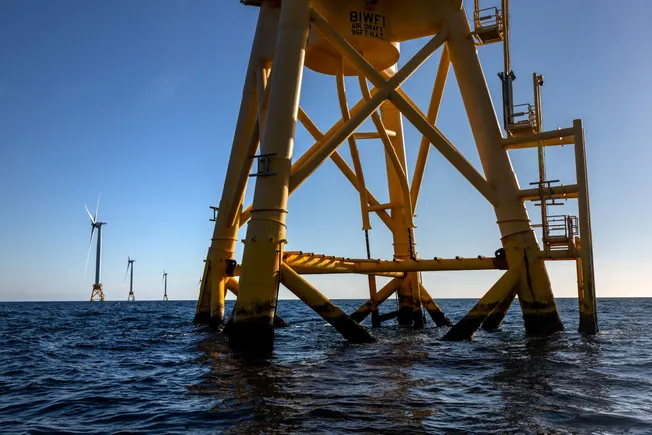
United States offshore wind उद्योग ने परमिट में देरी, आपूर्ति श्रृंखला की कमी और आर्थिक सिरदर्दी को नेविगेट करने में वर्षों बिताए हैं। मार्च 2026 में, इसने दो मील के पत्थर हासिल किए जो सुझाव देते हैं कि यह क्षेत्र अंततः वादे से वितरित क्षमता में संक्रमण कर रहा है। Revolution Wind, Ørsted और Eversource द्वारा विकसित 700-मेगावाट परियोजना Rhode Island के तट से आ गई है और New England ग्रिड को बिजली देना शुरू कर दिया है। साथ ही, US इतिहास की सबसे बड़ी offshore wind परियोजना 800-मेगावाट Vineyard Wind 1 ने अपनी टर्बाइन सरणी का शारीरिक निर्माण पूरा कर दिया है।
Revolution Wind अब United States में वाणिज्यिक संचालन हासिल करने वाली तीसरी offshore wind परियोजना है। इसका आगमन न केवल इसकी व्यक्तिगत क्षमता के लिए महत्वपूर्ण है, बल्कि इस बात का प्रमाण है कि परमिट और निर्माण पाइपलाइन जो महामारी के बाद की मुद्रास्फीति अवधि के दौरान रुक गई थी, वह साफ होने लगी है।
Revolution Wind: स्केल और महत्व
Revolution Wind से 700-मेगावाट आउटपुट औसत New England खपत पैटर्न के तहत लगभग 350,000 घरों को बिजली देने के लिए पर्याप्त है। परियोजना Siemens Gamesa offshore टर्बाइन का उपयोग करती है और Rhode Island और Connecticut यूटिलिटीज के समन्वय में निर्मित तटीय संचरण बुनियादी ढांचे से ग्रिड को जोड़ती है। दोनों राज्यों ने दीर्घकालीन बिजली खरीद समझौतों पर हस्ताक्षर किए हैं जो offshore wind अर्थशास्त्र के एक अशांत समय के बावजूद परियोजना को अर्थवहन योग्य बनाने के लिए आवश्यक राजस्व निश्चितता प्रदान करते हैं।
परियोजना का समापन एक कठिन अवधि के बाद आया जिसके दौरान Ørsted और Eversource ने 2021 के बाद उद्भूत स्टील कीमतों, ब्याज दर परिवर्तन और आपूर्ति श्रृंखला व्यवधान द्वारा संचालित महत्वपूर्ण लागत वृद्धि के बाद अनुबंध शर्तों पर फिर से बातचीत की। यह तथ्य कि यह वाणिज्यिक संचालन तक पहुंच गई है, उन चुनौतियों के सफल नेविगेशन का प्रतिनिधित्व करता है और अभी भी विकास में परियोजनाओं के लिए एक टेम्पलेट प्रदान करता है।

Vineyard Wind 1: निर्माण पूर्ण
Martha's Vineyard के दक्षिण में लगभग 15 मील की दूरी पर स्थित Vineyard Wind 1, 62 GE Vernova Haliade-X टर्बाइन में 800 मेगावाट पर देश की सबसे बड़ी offshore wind परियोजना का प्रतिनिधित्व करता है। शारीरिक टर्बाइन स्थापना का समापन एक महत्वपूर्ण मील का पत्थर है, लेकिन परियोजना पूर्ण वाणिज्यिक संचालन हासिल करने से पहले कमीशनिंग चरणों के माध्यम से अभी भी काम कर रही है।
Vineyard Wind स्वच्छ ऊर्जा नीति के लिए कुछ प्रतीकात्मक परियोजना बन गई है और मछली पकड़ने वाले उद्योग समूहों और कुछ तटीय निवासियों से निरंतर कानूनी चुनौतियों का सामना करना पड़ा है। इन चुनौतियों ने इसके रास्ते में जटिलता जोड़ दी है, लेकिन निर्माण के समापन से विरोधियों के लिए ऑपरेशन को पूरी तरह रोकना तेजी से कठिन हो गया है।
व्यापक US Offshore Wind पाइपलाइन
Revolution Wind और Vineyard Wind 1 की संयुक्त प्रगति उन राज्यों के लिए महत्वपूर्ण है जिन्होंने उनकी बिजली का अनुबंध किया है और देश के स्वच्छ ऊर्जा प्रक्षेपवक्र के लिए। New England के पास US में सबसे महत्वाकांक्षी राज्य-स्तरीय स्वच्छ ऊर्जा लक्ष्य हैं, जिसमें Massachusetts, Rhode Island, Connecticut और New York सभी को इस दशक के भीतर उनकी बिजली का एक पर्याप्त प्रतिशत नवीकरणीय स्रोतों से प्राप्त करने की आवश्यकता है।
पिछले वर्षों में उच्च-प्रोफ़ाइल परियोजना रद्दकरणों ने उत्साह को कम किया है और यह सवाल उठाया है कि क्या अर्थशास्त्र US बाजार की स्थितियों के तहत कभी काम कर सकते हैं। जो परियोजनाएं जीवित रहीं, वे सुधारित अनुबंध हासिल करके ऐसा किया जो वास्तविक लागतों को प्रतिबिंबित करते हैं, एक दर्दनाक लेकिन आवश्यक समायोजन जो अब वास्तविक, वितरित बुनियादी ढांचे का उत्पादन किया है।
ग्रिड एकीकरण और संचरण
बड़े पैमाने पर offshore wind के लिए एक कम सराहा जाने वाला चुनौती संचरण है। Offshore टर्बाइन द्वारा उत्पादित बिजली को पनडुब्बी केबलों के माध्यम से तटीय कनवर्टर स्टेशनों और फिर मौजूदा ग्रिड बुनियादी ढांचे में यात्रा करनी चाहिए। Revolution Wind का संचरण समाधान, ISO-NE के साथ समन्वित, इसका एक मॉडल दर्शाता है कि यह कैसे काम कर सकता है। आने वाले वर्षों में अधिक परियोजनाएं ऑनलाइन आने के साथ, संचरण सवाल अधिक जटिल और महंगा हो जाएगा, और ग्रिड विस्तार में सक्रिय निवेश यह निर्धारित करेगा कि अंततः कितनी क्षमता को एकीकृत किया जा सकता है।
आगे क्या आता है
Northeastern US में कई परियोजनाएं परमिट और विकास के विभिन्न चरणों में हैं। New England Aqua Ventus और Vineyard Wind के अतिरिक्त चरण अगली पीढ़ी का प्रतिनिधित्व करते हैं। New England के परे, New York, New Jersey और तेजी से Gulf Coast और Pacific के तटों से परियोजनाएं पर्यावरणीय समीक्षा के माध्यम से प्रगति कर रही हैं। प्रत्येक सफल समापन अगली परियोजना को वित्तपोषित और अनुमोदित करना आसान बनाता है, एक ट्रैक रिकॉर्ड बनाता है जो उधारदाताओं और राज्य नियामकों दोनों को देखने की जरूरत है।
यह लेख Utility Dive की रिपोर्टिंग पर आधारित है। मूल लेख पढ़ें.
Originally published on utilitydive.com