स्वतंत्र हरित हाइड्रोजन प्रणालियों की एक प्रमुख कमजोरी यह है कि जब सूरज अचानक ढक जाता है तो क्या होता है
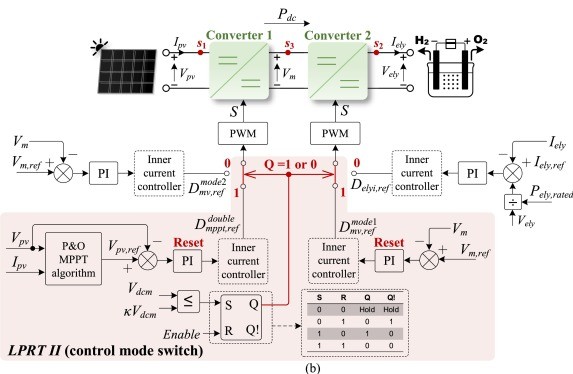
यूनिवर्सिटी ऑफ न्यू साउथ वेल्स सिडनी के नेतृत्व में शोधकर्ताओं ने स्वतंत्र फोटोवोल्टिक-इलेक्ट्रोलाइज़र प्रणालियों को सौर आउटपुट में तीव्र बदलावों के दौरान स्थिर बनाए रखने में मदद करने के लिए दो नई कम-ऊर्जा राइड-थ्रू रणनीतियाँ प्रस्तावित की हैं। यह काम ऑफ-ग्रिड हाइड्रोजन उत्पादन की एक व्यावहारिक समस्या को लक्षित करता है: जब बादल छा जाते हैं या अन्य व्यवधान सौर उत्पादन को तेजी से घटा देते हैं, तो इलेक्ट्रोलाइज़र सहजता से प्रतिक्रिया नहीं देते।
पारंपरिक ग्रिड-संलग्न प्रणालियों में, उतार-चढ़ाव को अक्सर स्वयं ग्रिड या बैटरी भंडारण द्वारा संतुलित किया जा सकता है। स्वतंत्र PV-इलेक्ट्रोलाइज़र सेटअप में, वह सहारा मौजूद नहीं भी हो सकता। इसका परिणाम उपलब्ध शक्ति और इलेक्ट्रोलाइज़र की संचालन मांग के बीच असंतुलन के रूप में निकलता है, जो प्रणाली को अस्थिर कर सकता है या हाइड्रोजन उत्पादन को बाधित कर सकता है। UNSW-नेतृत्व वाला शोध बैटरी से इस व्यवधान को स्मूद करने के बजाय उसके बीच से नियंत्रण करने पर केंद्रित है।
इस संदर्भ में लो-पावर राइड-थ्रू का अर्थ क्या है
लो-पावर राइड-थ्रू एक नियंत्रण क्षमता है जो विद्युत उपकरणों को छोटी अवधि के व्यवधानों के दौरान जुड़े रहने और कम शक्ति पर काम जारी रखने की अनुमति देती है। PV-संचालित हाइड्रोजन प्रणालियों में, विचार यह है कि सौर इनपुट घटने पर भी इलेक्ट्रोलाइज़र को ऑनलाइन रखा जाए, और उसकी मांग को फोटोवोल्टिक पक्ष से उपलब्ध कम बिजली के अधिक निकट मिलाया जाए।
यह महत्वपूर्ण है क्योंकि बार-बार शटडाउन और पुनः प्रारंभ होने से दक्षता प्रभावित हो सकती है, सिस्टम डिज़ाइन जटिल हो सकता है, और पूरी तरह स्वतंत्र हाइड्रोजन उत्पादन की व्यावहारिकता कम हो सकती है। एक ऐसी नियंत्रण रणनीति जो इलेक्ट्रोलाइज़र को संक्षिप्त पावर ड्रॉप से गुजरने दे, अतिरिक्त बैटरी परत की आवश्यकता के बिना इन प्रणालियों को अधिक लचीला बना सकती है।
रिपोर्ट के अनुसार, शोध एकल-चरण और द्वि-चरण कन्वर्टर आर्किटेक्चर की व्यवस्थित तुलना करता है, और यह मूल्यांकन करता है कि सौर परिस्थितियों में अचानक उतार-चढ़ाव के दौरान प्रत्येक राइड-थ्रू व्यवहार को कैसे समर्थन दे सकता है। नवीनता केवल एक नियंत्रण विचार प्रस्तावित करने में नहीं है, बल्कि बैटरी-मुक्त आर्किटेक्चर में स्थिरता बनाए रखने की उनकी क्षमता के लिए विभिन्न पावर-रूपांतरण विन्यासों की तुलना करने में है।

बैटरी-रहित स्थिरीकरण क्यों महत्वपूर्ण है
अंतराल-स्वरूपता के लिए बैटरी भंडारण एक स्पष्ट उत्तर है, लेकिन यह लागत, प्रणाली की जटिलता, रखरखाव का बोझ और अपनी खुद की प्रदर्शन सीमाएँ जोड़ता है। कुछ हरित हाइड्रोजन परिनियोजनों के लिए, खासकर जो सरल स्वतंत्र संचालन चाहते हैं, बैटरियों से बचना आर्थिकता और तैनाती लचीलेपन को उल्लेखनीय रूप से बेहतर कर सकता है।
यदि राइड-थ्रू नियंत्रण पर्याप्त संचालन स्थिरता दे सकता है, तो यह एक आकर्षक विकल्प बन जाता है। हर व्यवधान के बीच ऊर्जा संग्रहीत करने के बजाय, प्रणाली वास्तविक समय में कम इनपुट स्थितियों के अनुसार अपने व्यवहार को ढालना सीखती है। प्रभाव में, यह हार्डवेयर बफरिंग को नियंत्रण बुद्धिमत्ता से बदल देती है।
यह उन प्रणालियों में सबसे अधिक मायने रखता है जहाँ सौर उत्पादन सीधे इलेक्ट्रोलिसिस को शक्ति देता है। ऐसी आर्किटेक्चर आकर्षक हैं क्योंकि वे रूपांतरण चरणों और बाहरी निर्भरताओं को हटाती हैं, लेकिन वे अल्पकालिक परिवर्तनशीलता के प्रति अधिक संवेदनशील भी होती हैं। एक क्लाउड ट्रांज़िएंट जिसे ग्रिड-संलग्न संयंत्र आसानी से झेल सकता है, एक स्वतंत्र स्थापना में कार्यात्मक समस्या बन सकता है।
यह शोध केवल घटक समस्या नहीं, बल्कि सिस्टम एकीकरण समस्या को संबोधित करता है
हरित हाइड्रोजन पर चर्चाएँ अक्सर इलेक्ट्रोलाइज़र लागत, स्टैक दक्षता, या नवीकरणीय बिजली की कीमत पर केंद्रित होती हैं। ये महत्वपूर्ण हैं, लेकिन सिस्टम एकीकरण भी उतना ही निर्णायक हो सकता है। एक सैद्धांतिक रूप से दक्ष संयंत्र कम उपयोगी है यदि वह सामान्य संचालन उतार-चढ़ाव के दौरान स्थिर न रह सके।
इसलिए UNSW-नेतृत्व वाला काम हाइड्रोजन स्टैक की एक महत्वपूर्ण परत पर स्थित है: परिवर्तनीय सौर उत्पादन और विद्युरासायनिक रूपांतरण के बीच का इंटरफेस। बेहतर राइड-थ्रू व्यवहार वास्तविक अपटाइम बढ़ा सकता है और दूरस्थ या कमजोर-अवसंरचना वाले वातावरण में डायरेक्ट-कपल्ड प्रणालियों की व्यवहार्यता सुधार सकता है।
यह पावर इलेक्ट्रॉनिक्स आर्किटेक्चर और संचालन लचीलेपन के बीच के समझौते को अधिक स्पष्ट रूप से समझने का तरीका भी देता है। एकल-चरण और द्वि-चरण कन्वर्टर के बीच चयन केवल टोपोलॉजी का निर्णय नहीं है। यह तय करता है कि तनाव की स्थिति में पूरा संयंत्र कितनी सहजता से व्यवहार करता है।
हरित हाइड्रोजन परिनियोजन के लिए इसका क्या अर्थ हो सकता है
यदि प्रस्तावित रणनीतियाँ शोध परिवेश से आगे भी अच्छा प्रदर्शन करती हैं, तो वे मजबूत सौर संसाधनों लेकिन सीमित ग्रिड अवसंरचना वाले क्षेत्रों में सरल स्वतंत्र हाइड्रोजन प्रणालियों का समर्थन कर सकती हैं। यह दूरस्थ औद्योगिक स्थलों, अलग-थलग उत्पादन नोड्स, या मॉड्यूलर डिज़ाइन चाहने वाली भविष्य की निर्यात-उन्मुख परियोजनाओं के लिए प्रासंगिक हो सकता है।
मुख्य वादा निरंतरता है। सौर उत्पादन से निकटता से जुड़े हाइड्रोजन संयंत्रों को अस्थिरता में फिसले बिना परिवर्तनशीलता को अवशोषित करने का कोई तरीका चाहिए। बैटरियाँ एक रास्ता हैं। बेहतर नियंत्रण दूसरा। दूसरे का आकर्षण यह है कि इसका उद्देश्य लागत को सीमित रखते हुए और घटक फैलाव को कम करते हुए संचालन बनाए रखना है।
इसका अर्थ यह नहीं कि भंडारण अप्रासंगिक हो जाता है। कई बड़े हाइड्रोजन सिस्टम अब भी ग्रिड समर्थन, हाइब्रिड नवीकरणीय आपूर्ति, या बैटरी एकीकरण पर निर्भर करेंगे। लेकिन नया काम एक अर्थपूर्ण डिज़ाइन स्पेस की ओर इशारा करता है, जिसमें नियंत्रण रणनीतियाँ आज की तुलना में संतुलन का अधिक भार उठा सकती हैं।
जैसे-जैसे हाइड्रोजन क्षेत्र पायलट-स्तरीय उत्साह से विश्वसनीयता और अर्थशास्त्र के कठिन प्रश्नों की ओर बढ़ता है, ऐसे विवरण महत्वपूर्ण हो जाते हैं। एक गुजरते बादल के दौरान इलेक्ट्रोलाइज़र को चालू रखना सुनने में एक संकीर्ण इंजीनियरिंग समस्या लग सकती है। व्यवहार में, यह उसी प्रकार की सिस्टम समस्या है जो अक्सर तय करती है कि आशाजनक स्वच्छ-ऊर्जा अवधारणाएँ सुचारु रूप से बड़े पैमाने पर बढ़ती हैं या अपेक्षा से अधिक नाज़ुक बनी रहती हैं।
यह लेख PV Magazine की रिपोर्टिंग पर आधारित है। मूल लेख पढ़ें.
Originally published on pv-magazine.com