A Proven Treatment With a Persistent Access Problem
Severe acute malnutrition remains one of the most dangerous conditions a young child can face, yet the medical answer to it is not a mystery. Ready-to-use therapeutic foods, commonly shortened to RUTFs, are the established standard of care and have saved enormous numbers of lives over the past two decades. The difficulty is not that the treatment does not work. It is that most of the children who need it never get their hands on it.
According to a new study, current treatment reaches only about 30% of the children who require it. That gap — roughly seven out of every ten eligible children left without care — is the central problem a team of researchers set out to address, not by inventing a new medicine but by rethinking where and how the therapeutic food itself is made.
An International Team, an Unconventional Ingredient List
The work was led by Dr. Aurélie Bechoff, a visiting researcher at the Hebrew University of Jerusalem, alongside Hebrew University professors Efrat Monsonego-Ornan and Ram Reifen and an international group of collaborators. Their results appear in Current Developments in Nutrition.
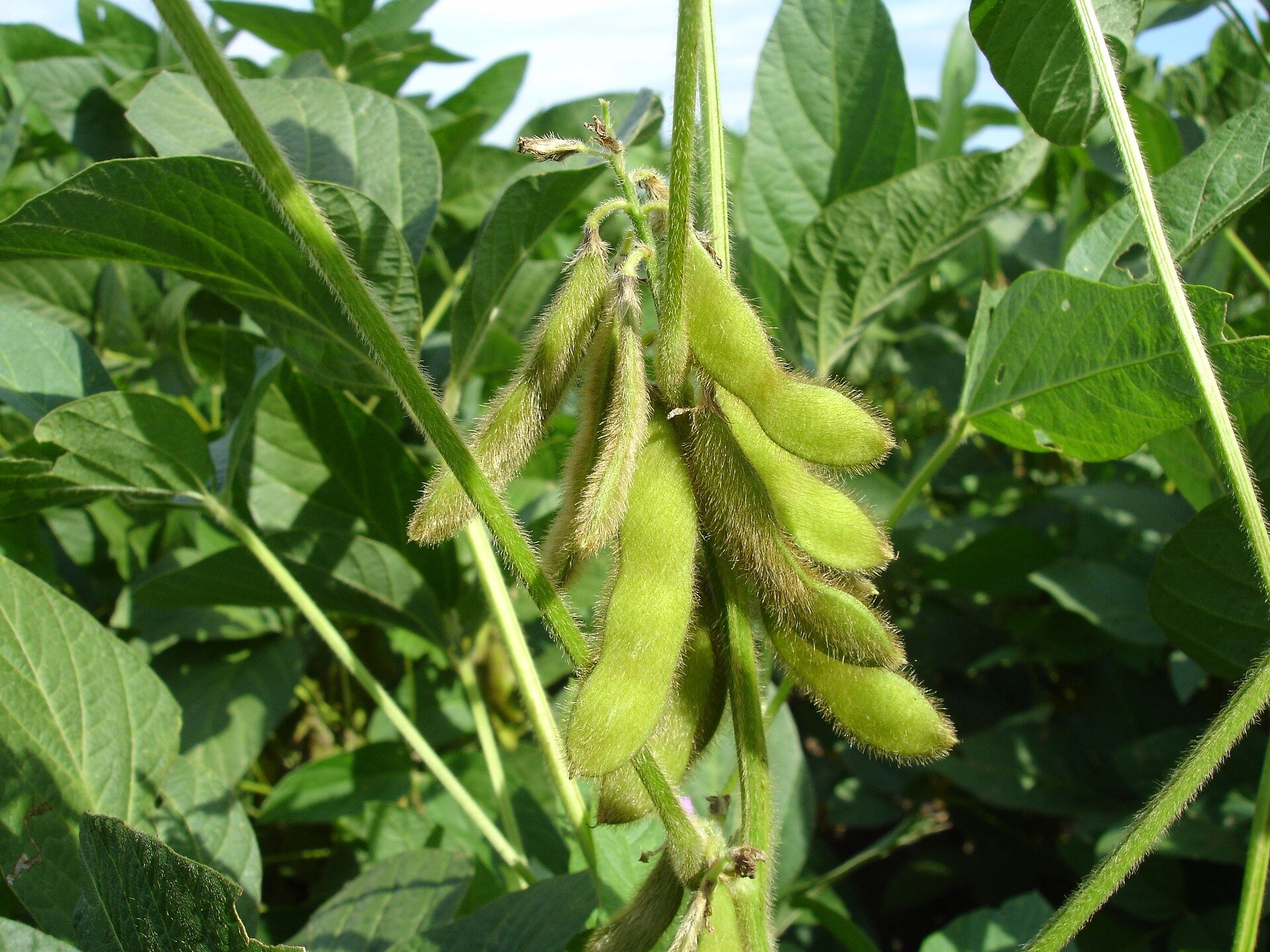
Rather than accepting the conventional recipe as fixed, the researchers examined a high-protein therapeutic formulation built entirely from ingredients that are already widely cultivated in sub-Saharan Africa: chickpeas, sorghum, corn and soybeans. The blend is referred to in the study as ChSMS.
The contrast with standard products is deliberate. Many existing RUTF formulations rely on inputs produced in wealthier countries — including relatively expensive powdered milk — which introduces both cost and supply-chain barriers for the lower-income countries where malnutrition is most concentrated. Those barriers can mean the difference between a child being enrolled in treatment and a child being turned away.

Building a Therapeutic Food From Local Harvests
The logic behind the approach is straightforward: if the raw materials for a therapeutic food grow near the communities that need it, then treatment becomes less dependent on international supply chains and less exposed to the price swings and logistical delays that come with importing specialized ingredients.
The ChSMS formulation replaces both milk and peanuts with a combination of the four locally available crops. That substitution matters for several reasons:
- Availability: chickpeas, sorghum, corn and soybeans are staple or widely grown crops across much of sub-Saharan Africa, reducing reliance on imports.
- Cost: removing expensive powdered milk from the recipe lowers a major driver of production expense.
- Resilience: shorter supply chains are less vulnerable to the disruptions that can interrupt humanitarian deliveries.
- Nutritional design: the plant-based blend was formulated to deliver a high-protein profile suited to recovery from severe malnutrition.
Because the ingredients are regionally familiar, the researchers suggest, production could in principle be scaled closer to the point of need — a shift that would put more of the value chain inside the countries facing the highest burden of childhood malnutrition.
What the Preclinical Testing Found
The team's preclinical study compared the plant-based formulation against a commercial product based on peanuts and milk. The results favored the locally sourced blend on the outcomes the researchers measured.
Children in the preclinical work — described in the study's framing as supporting substantially better recovery from malnutrition — showed stronger indicators of catch-up growth under ChSMS than under the commercial comparator. Catch-up growth is a key measure in malnutrition treatment because it reflects whether a child is not merely surviving but rebuilding lost body mass and beginning to close the developmental gap created by severe nutritional deficits.
The researchers also analyzed the nutritional composition of the two products. The chickpea-sorghum-corn-soybean formulation contained more protein overall and earned a higher protein quality score than the commercial peanut-and-milk product it was tested against. Protein quality — a measure of how well a food's amino acid profile matches what the human body can actually use — is especially relevant in therapeutic feeding, where the goal is rapid tissue repair and growth.

Why the Timing Is Urgent
The study arrives at a moment when the systems that deliver malnutrition treatment are under compounding strain. Conflict, climate change and reductions in global humanitarian funding are all placing additional pressure on food and nutrition programs, according to the researchers.

Each of those forces attacks the same vulnerable link. Conflict displaces families and disrupts distribution routes. Climate shocks damage harvests and drive up food prices. Funding cuts shrink the reach of the agencies and programs that identify and enroll malnourished children. Together they make imported, expensive therapeutic foods an increasingly fragile foundation for treatment.
Producing therapeutic food from locally grown crops, the authors argue, offers a route toward treatment that is more affordable to manufacture in the regions where it is needed most — and less likely to stall when international logistics or financing falter.
What Comes Next
The findings come from preclinical research, an important early stage that establishes whether a formulation performs well before it is evaluated more broadly. That means the results are encouraging rather than conclusive: they indicate that a locally sourced blend can outperform a conventional comparator on recovery and protein measures, but they do not by themselves confirm how the approach would perform at population scale or within national nutrition programs.
Still, the direction of the finding is significant. Much of the global conversation about malnutrition treatment has focused on financing and distribution — how to pay for more of an existing product and how to move it faster. This study points to a complementary strategy: change the product itself so that the economics and logistics work in favor of the countries with the greatest need.
If further research bears out the preclinical results, the implications reach beyond a single formulation. A therapeutic food that can be manufactured from chickpeas, sorghum, corn and soybeans grown nearby would give health systems in sub-Saharan Africa a tool that is less dependent on foreign supply, less exposed to currency and shipping shocks, and potentially affordable enough to reach the far larger share of malnourished children who currently receive nothing at all.
For the roughly 70% of severely malnourished children who go untreated today, that shift would not be an incremental improvement. It would be the difference between an effective treatment that exists on paper and one that actually arrives.
This article is based on reporting by Medical Xpress. Read the original article.

Originally published on medicalxpress.com