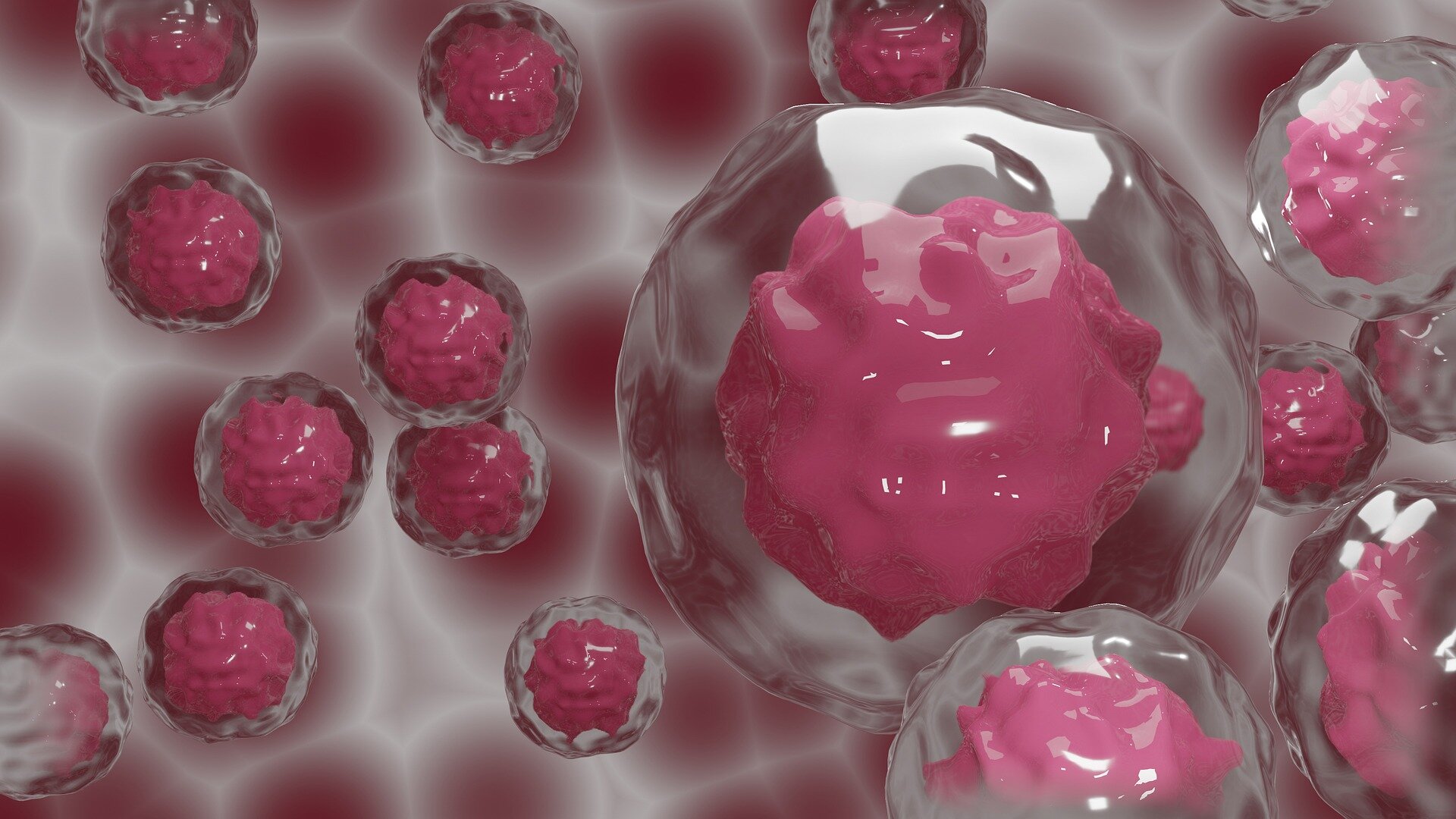
Blood stem cells sit at the foundation of the blood and immune systems. Found primarily in bone marrow, they continually generate the blood and immune cells a person needs throughout life. Their ability to renew themselves also makes them central to bone-marrow transplantation and to gene therapies intended to treat blood disorders.
But getting those cells ready for treatment can weaken them. Before gene therapy, blood stem cells must be processed in the laboratory, a step that can reduce their regenerative capacity and lower the odds that treatment will work as intended. Researchers at the University of Zurich’s Institute for Regenerative Medicine have now identified a signaling approach that may help preserve a key quality of the cells during that process.
In work published in EMBO Molecular Medicine, the team examined how activated protein C, or aPC, affects human blood stem cells. They found that a brief exposure to aPC helped keep the cells in a resting, protected condition and improved their transplantability in an animal model.
One receptor, sharply different outcomes
The researchers compared aPC with thrombin, another protein involved in blood clotting. Both proteins act through the same cell receptor, protease-activated receptor 1, known as PAR1. Yet activating that receptor with the two proteins did not lead to the same biological result.
According to the University of Zurich researchers, aPC helped blood stem cells remain quiescent: a state of rest associated with protection of their long-term stem-cell characteristics. Cells treated with aPC divided less often and were less likely to differentiate prematurely into specialized blood cells.
That distinction matters because stem cells need to retain their capacity to renew and repopulate the blood system. Premature differentiation can erode that potential. In contrast to aPC, thrombin led to greater differentiation of the cells, an effect that can reduce stem-cell potential.
The finding illustrates a broader point about cell signaling: the identity of a receptor alone does not determine the outcome. Different molecules acting through the same receptor can steer cells toward substantially different states. Here, the aPC-PAR1 interaction appeared to support a protected state rather than a path toward differentiation.

A one-hour treatment showed an effect
The reported intervention was short. The researchers found that treating human blood stem cells with aPC for one hour improved transplantability in mice. In that animal transplantation model, treated cells produced more human blood cells than untreated cells, according to the source material.
That result is encouraging because laboratory processing is an unavoidable part of many advanced cell-therapy workflows. A treatment that can be applied briefly, while preserving the functional qualities of cells intended for transplantation, could be valuable if its effects hold up in further studies.
The research was a collaboration between the University of Zurich and the University of California, Santa Cruz. It focused on human blood stem cells, but the transplantation result described in the study came from an animal model. That is an important boundary on what can be concluded: the work supports a promising mechanism and preclinical result, not a demonstrated clinical therapy for patients.
Potential relevance for gene therapy
Gene therapies for blood disorders commonly depend on collecting a patient’s blood stem cells, modifying them outside the body, and then returning them through transplantation. The cells’ ability to restore blood formation after that sequence is fundamental to success.
Researchers are therefore looking for ways to reduce the loss of regenerative capacity that can occur while cells are handled in the laboratory. The Zurich team’s findings suggest that manipulating an alternative signaling pathway may be one such route. By promoting quiescence rather than frequent division or early differentiation, aPC treatment could help cells retain attributes associated with long-term function.
The work does not establish how aPC would be incorporated into clinical manufacturing, which patients or diseases would benefit most, or whether the observed advantage will persist across different treatment protocols. Those questions require additional research. Safety, dose, timing, reproducibility and performance in human studies would all need to be evaluated before clinical adoption.

Why the result is notable
Blood stem-cell therapies depend on a delicate balance. Cells must be collected and processed, but they must also remain capable of rebuilding blood and immune systems over the long term. The new study points to a way of influencing that balance through PAR1 signaling.
Its central insight is not simply that aPC affects blood stem cells. It is that two molecules using the same receptor can produce opposing functional outcomes: aPC supports a resting, protected state, while thrombin promotes greater differentiation. That contrast gives researchers a more specific target for thinking about how to preserve stem-cell fitness during laboratory preparation.
For now, the result is a preclinical advance rather than a change in patient care. Still, a one-hour treatment that improved transplantation performance in a mouse model offers a concrete lead for efforts to make bone-marrow transplantation and gene-therapy workflows more reliable.
This article is based on reporting by Medical Xpress. Read the original article.
Originally published on medicalxpress.com