Why diesel engines often stay on the road longer
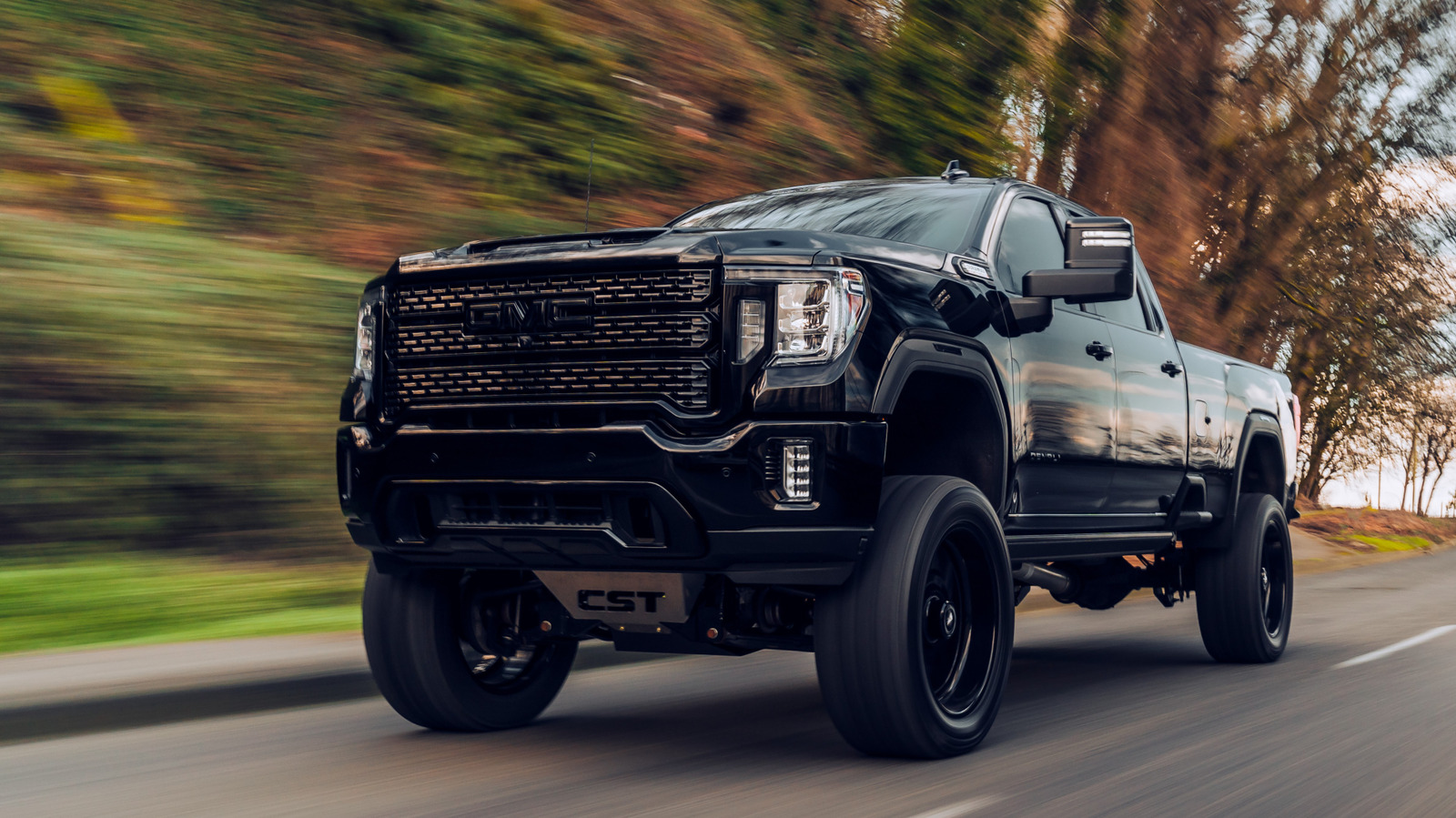
Diesel engines have a long-standing reputation for durability, especially in pickups and large passenger vehicles where buyers often have a choice between a diesel and a gasoline powertrain. The basic idea is not that every diesel automatically lasts forever or that every gas engine wears out early. It is that, in similar applications, diesel designs tend to have a few built-in mechanical advantages that can reduce wear over years of use.
The most immediate reason is the fuel itself. Diesel fuel has stronger lubricating properties than gasoline, which helps reduce friction in parts of the fuel system and contributes to the general wear-resistant character of diesel operation. The source material describes this in terms of lubricity, a property that helps fluids resist friction. In practice, that means diesel fuel does more than deliver energy. It also provides a slipperier operating environment than gasoline.
That is only part of the story. Diesel engines also extract their performance differently. They use compression ignition rather than spark ignition, which changes how the engine is built and how it behaves under load. Those differences have consequences for longevity.
Compression, stroke, and lower engine speed
Because diesel fuel ignites under compression, diesel engines are designed around higher compression ratios. That requirement shapes the entire engine. The source text ties this to longer-stroke designs, which move pistons more slowly and typically operate at lower revolutions per minute than comparable gasoline engines. Lower engine speed matters because wear is cumulative. Fewer revolutions over the same distance can mean fewer cycles of friction, heat, and stress.
That slower, torque-focused operating style is a defining trait of diesel power. Gasoline engines often need to rev higher to make their power. Diesel engines, by contrast, usually deliver strong torque at lower rpm. For drivers towing, hauling, or covering long highway distances, that means the engine can do its work without spending as much time near the upper end of its operating range.
Lower rpm by itself does not guarantee a longer life, but it helps explain why diesel engines often feel less strained in heavy-duty use. A powertrain that produces useful torque without constant high-speed operation is starting from a favorable durability position.
Heavier-duty construction is part of the equation
The source material also points to a feedback loop in diesel design. High compression requires stronger components, and stronger components tend to improve durability if the engine is maintained properly. The engine has to be built to withstand those forces, so diesel internals are commonly engineered with robustness in mind.
That overbuilt quality is one reason diesel engines have long appealed to truck buyers who expect high mileage. In many cases, the design brief is not just performance or efficiency. It is sustained performance under real-world load. When a vehicle is expected to tow, carry equipment, or spend much of its life on long runs, the appeal of a lower-stressed engine becomes clearer.
The example in the source text centers on passenger vehicles and pickups rather than commercial trucks, trains, or marine engines. That distinction matters because the comparison is between like-for-like consumer applications. In that context, the claim is not that diesels belong to an entirely different universe of durability, but that a diesel version of a truck or SUV often has characteristics that make long service life more plausible.
Durability does not mean simplicity
There is also important nuance. A longer-lasting core engine does not mean the entire ownership experience is easier or cheaper. Modern diesel systems can be complex, and complexity brings its own maintenance risks. The source text notes that the question of longevity contains a lot of nuance, which is a necessary caveat in any diesel-versus-gas discussion.
In other words, durability potential is not the same thing as guaranteed low-cost ownership. Fuel systems, emissions hardware, and repair costs all shape the real-world equation. A diesel may be capable of running longer, but that does not erase the possibility of expensive failures elsewhere in the system. Buyers who choose diesel for longevity are effectively betting that the engine's design advantages and long-distance use case will outweigh those added complications.
Usage patterns matter too. A driver who routinely tows, puts on heavy highway mileage, and keeps a vehicle for years is more likely to benefit from diesel strengths than someone making short trips in light-duty service. The more the vehicle is used in the kind of conditions diesel engines are well suited for, the more persuasive the durability case becomes.

What the durability argument really comes down to
Stripped to its essentials, the case for diesel longevity rests on three related factors from the source material: the lubricating qualities of diesel fuel, the lower-rpm nature of diesel operation, and the stronger construction required by high-compression engine design. Together, those factors help explain why diesel engines have built a reputation for outlasting comparable gasoline engines.
That reputation should not be turned into a universal rule. Some gasoline engines last an extremely long time, and some diesel engines do not. Maintenance, operating conditions, and engineering quality still decide the outcome. But the mechanical logic behind diesel durability is sound. The engines are often doing the same kinds of work with fewer revs, more torque at lower speed, and fuel that provides greater lubricity than gasoline.
For consumers comparing powertrains in pickups and large SUVs, that is the real takeaway. Diesel durability is not a myth, but neither is it magic. It is the result of design choices that prioritize compression-driven combustion, lower-speed torque production, and components built to handle greater internal forces. When those traits align with the right use case, the result can be an engine that stays useful for a very long time.
This article is based on reporting by Jalopnik. Read the original article.
Originally published on jalopnik.com