Une Bouée de Sauvetage et un Pari
Rivian et Uber ont annoncé un partenariat qui pourrait remodeler le paysage des véhicules autonomes : Uber achètera initialement 10.000 SUV Rivian R2 pour les services de transport autonome, avec des options pour acquérir 40.000 de plus avant 2030, et investira jusqu'à $1,25 milliard dans le fabricant de véhicules électriques au cours des cinq prochaines années. L'accord fournit à Rivian des revenus critiques et une validation stratégique à un moment où l'entreprise est sous pression financière, et offre à Uber un chemin potentiel vers une flotte de robotaxis sans construire les capacités matérielles à partir de zéro.
La première flotte de véhicules R2 entièrement autonomes devrait être lancée à San Francisco et Miami en 2028, avec une expansion à 25 villes prévue d'ici 2031. Uber s'est engagée à un investissement initial de $300 millions, le reste des $1,25 milliard étant lié à des jalons incluant la livraison et le déploiement des véhicules.
Les Ambitions Autonomes de Rivian
Pour comprendre cet accord, il est important de saisir comment Rivian s'est positionnée comme une entreprise de technologie de conduite autonome plutôt que comme simple fabricant de véhicules électriques. L'entreprise a organisé une Autonomy and AI Day en décembre 2025, révélant un système de conduite sans mains Niveau 2 étendu couvrant 3,5 millions de kilomètres de routes aux États-Unis et au Canada. Elle s'est également engagée à déployer des capteurs lidar sur le R2 avant la fin 2026, associés à des puces personnalisées conçues spécifiquement pour les tâches de conduite autonome.
C'est une posture stratégique considérablement différente de celle de la plupart des startups de véhicules électriques, qui se sont concentrées sur la fabrication de matériel tout en traitant l'autonomie comme une aspiration lointaine. Rivian parie que la construction de capacités d'autonomie propriétaires dans son matériel dès le départ crée un fossé concurrentiel que ni les constructeurs automobiles établis ni les plateformes de covoiturage ne peuvent facilement répliquer.
La Plateforme R2
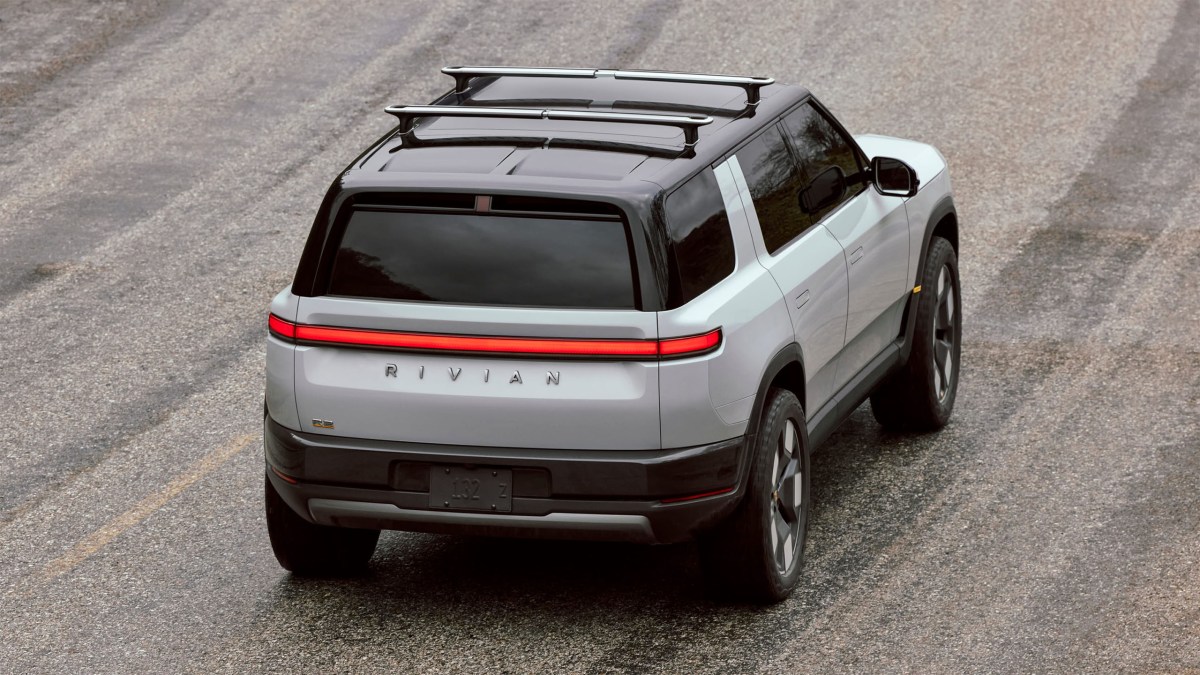
L'accord se concentre sur le R2, le SUV plus petit et plus abordable de Rivian qui commence tout juste à arriver aux clients au début 2026, à partir d'environ $45.000. Pour le déploiement de robotaxi, les caractéristiques du R2 sont bien adaptées : la forme du SUV peut accueillir confortablement plusieurs passagers, l'architecture électrique du véhicule est conçue pour les mises à jour over-the-air et l'intégration des capteurs que l'exploitation autonome exige, et l'ajout imminent du lidar améliore considérablement la fiabilité de la sécurité dans des conditions météorologiques et d'éclairage variées.
Ce que Cela Signifie pour Uber
Pour Uber, l'accord poursuit sa stratégie de partenariat avec des fournisseurs de technologie AV plutôt que de développer la conduite autonome en interne, une voie que l'entreprise a choisie après la vente de sa division de conduite autonome, Uber ATG, à Aurora en 2020. Le géant du covoiturage s'associe déjà à Waymo, qui exploite des trajets autonomes dans son application dans plusieurs villes.
Le partenariat avec Rivian offre à Uber une option intégrée verticalement : un constructeur automobile avec sa propre pile d'autonomie, qui en principe offre une intégration plus simple et potentiellement des coûts plus bas que de travailler avec des fournisseurs matériel et logiciel séparés. Il protège également contre la possibilité que Waymo construise finalement sa propre offre de covoiturage pour les consommateurs en concurrence directe avec Uber.
Le Contexte Financier
Rivian navigue dans un environnement financier difficile suite au retrait des incitations fédérales pour les véhicules électriques en 2025. L'accord avec Uber ne résout pas immédiatement ces défis, les livraisons du R2 ne commenceront à grande échelle qu'en 2028, mais il fournit un important carnet de commandes et un capital d'investissement qui renforce le bilan de l'entreprise et signale aux autres opérateurs que la technologie d'autonomie de Rivian est suffisamment crédible pour attirer des engagements majeurs.
Cet article est basé sur les reportages de The Drive. Lisez l'article original.
Originally published on thedrive.com