A Dual-Powertrain Strategy
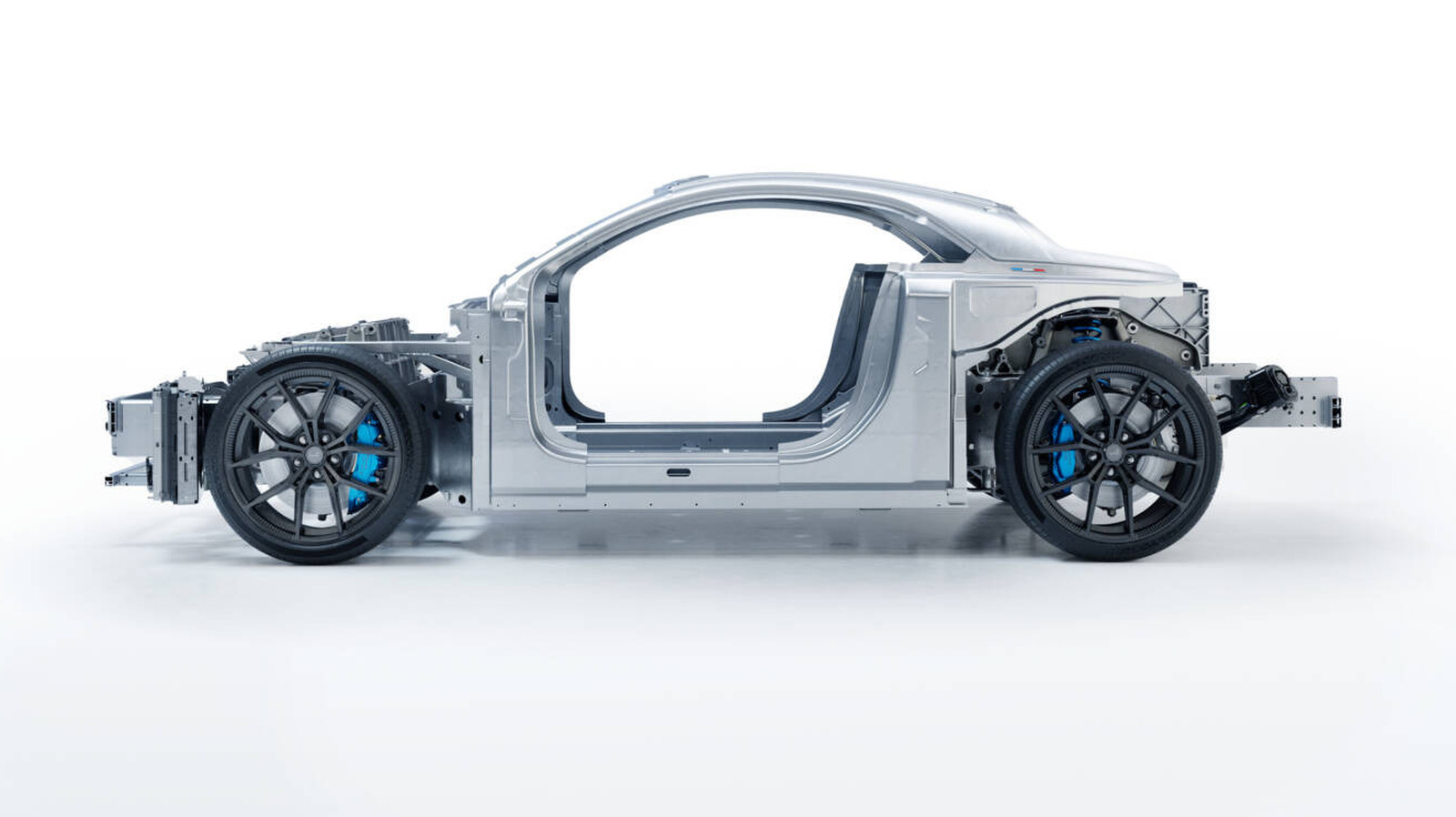
Alpine, Renault's performance brand, is developing a gasoline-powered version of its next-generation A110 sports car as a hedge in case consumers do not embrace the electric variant. The move represents a pragmatic shift from the brand's earlier all-electric ambitions and reflects broader industry uncertainty about the pace of EV adoption in the sports car segment.
The decision to pursue both powertrains simultaneously is unusual in an industry where manufacturers typically commit to one direction or the other for a given model. Alpine's approach suggests the company is genuinely uncertain about market reception and is willing to invest in parallel development tracks rather than risk committing entirely to either path.
The Electric A110's Challenges
Sports cars present unique challenges for electrification. Weight is the enemy of driving dynamics, and batteries are heavy. The current A110 weighs approximately 1,100 kilograms, a figure that contributes enormously to its reputation as one of the most engaging driver's cars on the market. Adding a battery pack large enough to provide acceptable range would add hundreds of kilograms, fundamentally altering the car's character.
Alpine has said the electric A110 will maintain the current model's distinctive 40:60 front-to-rear weight distribution, suggesting careful engineering of battery placement. The brand also plans to eventually offer the electric A110 in convertible and 2+2 configurations, expanding the model range beyond the current two-seat coupe.
However, sports car buyers tend to be enthusiasts who care deeply about driving feel, sound, and engagement, qualities that are difficult to replicate in an electric powertrain. While electric motors offer superior acceleration, many enthusiasts value the rev range, exhaust note, and manual transmission engagement that come with internal combustion.
Market Signals Are Mixed
The sports car market has sent conflicting signals about electrification. Porsche's Taycan has been a commercial success, proving that electric performance cars can find buyers. But the Taycan is a four-door sedan, not a lightweight two-seat sports car, and Porsche's brand cachet carries unique weight in the luxury segment.
At the other end of the spectrum, Lotus has committed to an all-electric future but has faced production challenges and slower-than-expected sales of its Eletre electric SUV. The traditional Lotus buyer, like the Alpine buyer, values lightness and simplicity, qualities that are harder to deliver with current EV technology.
Alpine's decision to keep a combustion option available reflects lessons from across the industry. Several manufacturers that made aggressive EV commitments have quietly walked them back as consumer demand has proven more elastic than anticipated. The cost premium of EVs, range anxiety, charging infrastructure gaps, and simple consumer preference have all contributed to a slower transition than many predicted.
Engineering Both Paths
Developing two powertrains for a single model is expensive, but Alpine may be making a calculated bet that the additional cost is less risky than choosing wrong. If the electric A110 sells well, the combustion version can be quietly shelved. If EV demand disappoints, the gas-powered car provides a fallback that keeps the model line alive and revenue flowing.
The combustion A110 would likely use a turbocharged four-cylinder engine, possibly derived from Renault's existing engine family but tuned for performance. The current A110 uses a 1.8-liter turbo four producing up to 300 horsepower, and the next generation would need to match or exceed that output while meeting increasingly stringent European emissions regulations.
Meeting those emissions standards is itself a challenge. Euro 7 regulations, which take effect in coming years, impose strict limits on pollutant emissions that are expensive to achieve in performance applications. This regulatory pressure is one of the reasons most manufacturers are moving toward electrification in the first place, and Alpine's combustion backup plan will need to navigate these constraints.
What This Means for the Industry
Alpine's hedging strategy may be a preview of how smaller and niche automakers navigate the EV transition. Unlike mass-market manufacturers that can spread development costs across millions of units, low-volume sports car makers face a challenging math problem: the engineering investment required for electrification is largely fixed regardless of production volume, making it proportionally much more expensive for niche players.
The dual-powertrain approach acknowledges that the EV transition is not a binary switch but a gradual process with significant uncertainty. For enthusiast brands whose customers are passionate and vocal about powertrain preferences, maintaining options may be the wisest strategy during this transitional period.
Alpine expects to reveal more details about both versions of the next-generation A110 in coming months. The brand's ability to successfully execute a dual-powertrain strategy on a low-volume sports car could provide a template for other niche manufacturers facing the same dilemma.
This article is based on reporting by Jalopnik. Read the original article.
Originally published on jalopnik.com