Une demande de lancements plus élevée que prévu
La Space Force américaine augmente sa demande attendue pour les lancements de sécurité nationale les plus exigeants, signalant un besoin plus fort que prévu de placer des satellites de grande valeur sur des orbites difficiles au cours des prochaines années. Selon le reportage fourni, le Space Systems Command prévoit désormais d’ajouter 25 missions de haute énergie au programme National Security Space Launch Phase 3 entre les exercices 2027 et 2029. Ces nouveaux lancements s’ajouteraient aux 54 missions initialement prévues sur cinq ans, portant la demande totale attendue à près de 50 % de plus.
Ce n’est pas un simple ajustement de calendrier. Les missions supplémentaires concernent ce que la Space Force appelle des orbites très exigeantes, qui nécessitent des lanceurs lourds offrant suffisamment de performance et de précision pour emmener des charges utiles critiques en orbite géostationnaire, en orbite moyenne terrestre ou dans des missions complexes à charges multiples. En pratique, cela signifie que le gouvernement cherche les fusées les plus fiables disponibles pour certains de ses engins spatiaux les plus sensibles.
Une poussée de la demande face à une base de fournisseurs restreinte
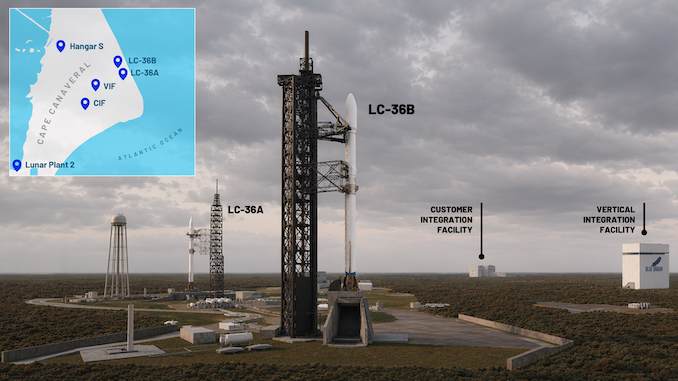
Le contexte du marché rend ce changement particulièrement important. Trois entreprises ont été choisies l’an dernier pour le segment Phase 3 Lane 2 : SpaceX, United Launch Alliance et Blue Origin. Mais le texte source indique que seules SpaceX et United Launch Alliance disposent actuellement de lanceurs certifiés pour effectuer ces missions, et que SpaceX est la seule à lancer activement des missions National Security Space Launch à l’heure actuelle. United Launch Alliance attend encore la montée en puissance opérationnelle complète de Vulcan, tandis que Blue Origin n’a pas encore rejoint le groupe certifié pour ce type de travail.
Cela signifie qu’un ensemble de missions en forte croissance entre en collision avec un bassin de fournisseurs limité. Pour le Pentagone, cela soulève des questions de résilience et de flexibilité de planification. Pour l’industrie, cela concentre l’opportunité entre quelques entreprises et renforce l’importance de la certification et de l’exécution.
Le Space Systems Command a décrit les lancements ajoutés comme essentiels à la sécurité nationale et nécessitant la priorité la plus élevée en matière de réussite de mission, avec une posture de faible risque. Ce langage indique que le gouvernement ne considère pas ces vols comme candidats à une acquisition expérimentale. Il veut des capacités éprouvées.

Pourquoi ces missions comptent
Le reportage fourni donne des exemples représentatifs de la capacité requise : l’insertion directe d’un satellite de 8 000 livres en orbite géostationnaire, la livraison d’une charge utile de 20 000 livres en orbite moyenne terrestre, et des vols à charges multiples emportant plusieurs satellites de grande valeur à la fois. Ces profils sont techniquement exigeants car ils combinent masse, énergie orbitale et exigences de garantie de mission.
Chacun d’eux reflète aussi le rôle stratégique du lancement dans l’architecture spatiale de défense moderne. Il ne s’agit pas simplement de mettre quelque chose en orbite. Il s’agit de déployer des engins spatiaux avec une précision, une fiabilité et un calendrier suffisamment serré pour soutenir les communications, l’alerte, le positionnement et d’autres missions de sécurité nationale. Si la capacité de lancement devient un goulot d’étranglement, l’acquisition de satellites à elle seule ne résout pas le problème.
C’est pourquoi la prévision révisée a une portée plus large. Une hausse des besoins en lanceurs lourds implique que le portefeuille spatial de défense lui-même évolue, que ce soit par des charges plus grandes, des destinations orbitales plus ambitieuses ou un plus grand volume de missions nécessitant des services de lancement premium.
Le signal budgétaire est tout aussi frappant
L’augmentation prévue des missions se reflète dans la demande budgétaire du Pentagone pour l’exercice 2027. Le texte source indique que cette demande comprend environ 5 milliards de dollars pour 31 lancements de sécurité nationale, soit plus du double des quelque 2 milliards de dollars votés pour 2026. Les chiffres budgétaires ne garantissent pas une exécution sans faille, mais ils montrent qu’il ne s’agit pas d’un simple ajustement marginal d’approvisionnement. Le gouvernement se prépare à dépenser beaucoup plus pour sécuriser l’accès au lancement.
La décision d’utiliser le véhicule contractuel Lane 2 existant pour les 25 missions supplémentaires compte aussi. Elle offre une voie plus rapide vers l’approvisionnement, mais elle réduit en pratique la concurrence à court terme aux fournisseurs déjà intégrés à ce cadre et, en pratique, à ceux capables de satisfaire à temps les exigences de certification et de disponibilité.

Ce que cela signifie pour la concurrence industrielle
Pour SpaceX, la structure actuelle du marché semble favorable. L’entreprise lance déjà des missions NSSL et devrait bénéficier d’une hausse de la demande à un moment où les alternatives restent limitées. Pour United Launch Alliance, l’opportunité est importante mais dépend de la fluidité avec laquelle Vulcan pourra entrer dans le service régulier de sécurité nationale. Pour Blue Origin, le message est plus urgent : la sélection seule ne suffit pas quand les missions les plus précieuses sont attribuées dans un marché où la certification détermine l’accès.
La conséquence plus large pour l’industrie est que le lancement de haute sécurité nationale devient encore plus clivé. L’activité commerciale de lancement peut être dynamique chez de nombreuses entreprises et pour de nombreuses classes de lanceurs, mais le segment qui prend en charge les charges militaires américaines les plus sensibles reste bien plus exclusif. La nouvelle prévision de demande rend cette exclusivité plus importante encore, car les enjeux augmentent en même temps que le nombre de missions.
Un test de résistance pour la base de lancement
Les 25 missions supplémentaires, réparties en six lancements en 2027, neuf en 2028 et dix en 2029, testeront plus que l’approvisionnement. Elles testeront la capacité de la base de lancement américaine à offrir à la fois une certitude de calendrier et une redondance stratégique. Les planificateurs de la sécurité nationale préfèrent ne pas trop dépendre d’un seul fournisseur actif pour des missions critiques, mais élargir une concurrence significative dans ce segment est plus lent et plus difficile que dans les marchés commerciaux à moindre risque.
La prévision révisée met donc en lumière une tension centrale de la politique spatiale américaine. La demande pour un accès garanti à l’orbite augmente, mais l’ensemble des lanceurs jugés dignes de confiance pour fournir cet accès aux missions les plus sensibles reste réduit. Tant que davantage de fournisseurs n’auront pas obtenu leur certification et démontré leur fiabilité opérationnelle, la Space Force devra gérer une file de lancements en expansion sur un marché qui reste peu profond.
Cela fait du dernier signal de demande plus qu’un simple avis d’achat. C’est un indicateur stratégique. Le Pentagone se prépare à un environnement de lancement plus chargé et plus exigeant, et les entreprises capables de répondre à ce besoin vont devenir encore plus centrales dans la manière dont les États-Unis projettent la sécurité en orbite.
Cet article est basé sur un reportage de SpaceNews. Lire l’article original.

Originally published on spacenews.com