An Early Glimpse of Rubin’s Discovery Power
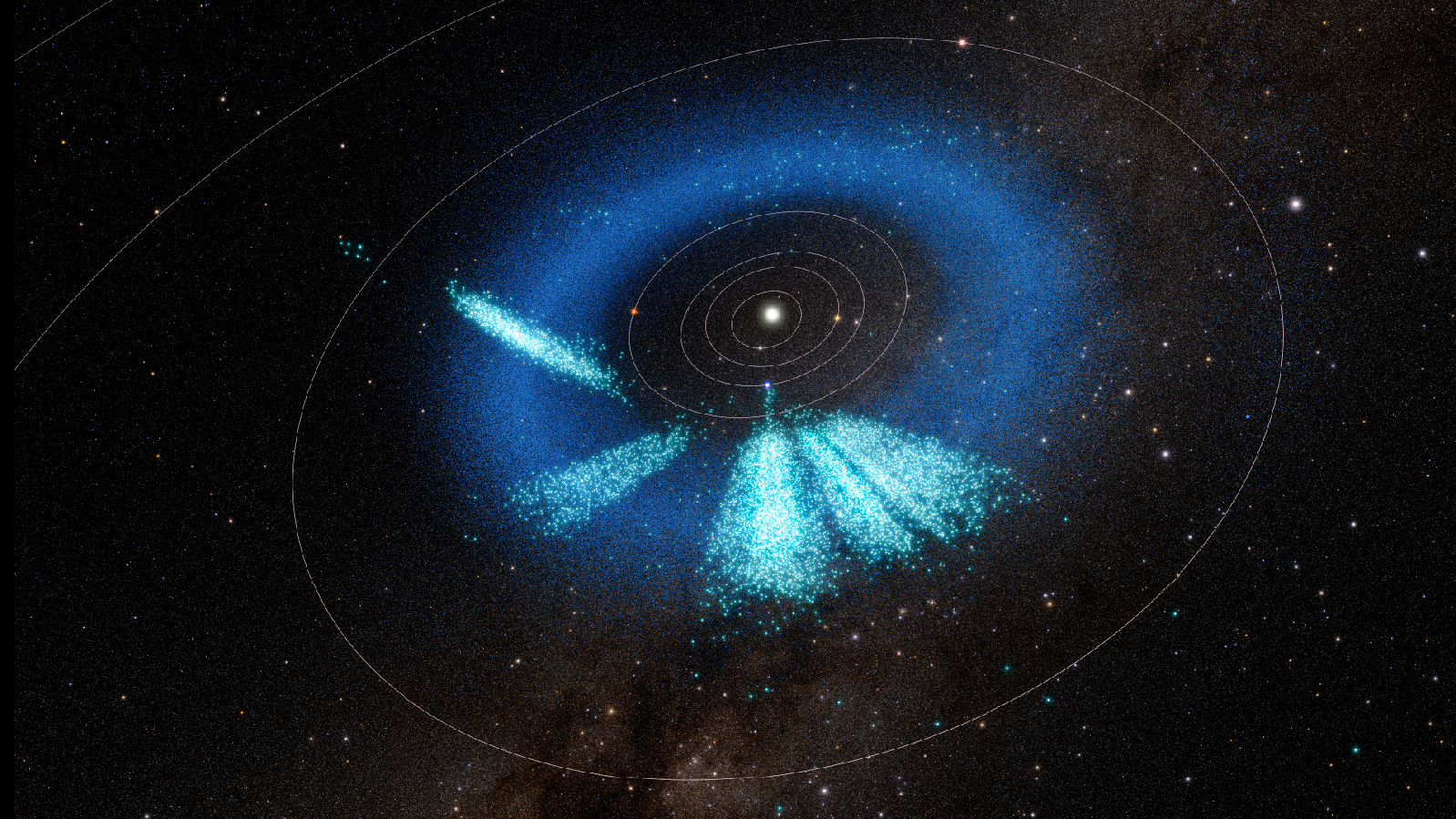
The Vera C. Rubin Observatory is not yet at full science operations, but its early results are already reshaping expectations for solar system discovery. According to the supplied report, preliminary observations have revealed more than 11,000 previously unknown asteroids and measured tens of thousands more. Even as a preview, that is a striking indication of what a wide, deep, fast sky survey can do.
The finding matters because asteroid discovery is partly a problem of scale. Many objects are faint, many are moving, and many are easy to miss if surveys lack either sensitivity or cadence. The supplied material emphasizes Rubin’s ability to scan the sky quickly and deeply, a combination that allows it to detect large numbers of moving objects in a short period. That capability appears to be showing up immediately.
For planetary science, early performance like this is more than a technical milestone. It changes the expected flow of data. Instead of adding discoveries at the pace traditional surveys can manage, Rubin appears positioned to increase the rate dramatically. The article describes the first large submission after Rubin First Look as only the beginning, which suggests researchers see these initial detections less as an endpoint than as a preview of the observatory’s normal output.
Why Thousands of New Objects Matter
Asteroid counts are not just record-keeping. Every newly tracked object adds resolution to humanity’s picture of the solar system. The more objects astronomers can identify and follow, the better they can characterize populations, orbital behavior, and the structure of the small-body environment between and beyond the planets.
The supplied report does not make detailed claims about individual asteroid classes, hazard levels, or specific orbital families, so those points should not be overstated. What is supported is the broad scientific significance of volume. Rubin is demonstrating that it can find moving objects in bulk, and that alone is important. A survey capable of doing this consistently can shift how quickly researchers move from incomplete catalogs toward richer and more statistically meaningful maps of the solar system.
There is also an operational dimension. Discovering an asteroid is only the first step. Measuring and tracking objects at scale creates the basis for follow-up work across the astronomy community. The report’s reference to tens of thousands of additional measurements suggests that Rubin is not only detecting new bodies, but also feeding a larger pipeline of observation and orbit refinement.
A Telescope Built for the Data Era
Rubin has long been discussed as an observatory designed for modern astronomy’s data-heavy future, and the asteroid result fits that description neatly. The value is not just in seeing one dramatic target. It is in generating repeated, systematic observations across huge areas of sky and turning them into scientific inventory at speed.
That distinction helps explain why this early milestone stands out. Traditional discoveries often arrive as isolated headline moments. Rubin’s promise is different. It is about throughput. If more than 11,000 previously unknown asteroids can be identified from preliminary data, then full operations may transform not only how many objects are found, but how quickly the astronomical community can absorb and analyze them.
The supplied report describes this as a glimpse of the discovery surge expected once the observatory is fully underway. That is a careful but consequential framing. It suggests the current figure is impressive precisely because it is not yet the main event.
For now, the early asteroid haul offers something rare in major science infrastructure: a concrete sign, very early in the process, that the instrument may deliver on its most ambitious promises. Rubin was built to watch the sky at unprecedented scale. In the first wave of asteroid detections, it is already showing what that might mean in practice.
- Preliminary Rubin observations have identified more than 11,000 previously unknown asteroids.
- The report says the observatory has also measured tens of thousands of additional objects.
- The early result points to a much larger discovery surge once full operations begin.
This article is based on reporting by Space.com. Read the original article.
Originally published on space.com