La NASA met en avant des concepts étudiants pour l’exploration future
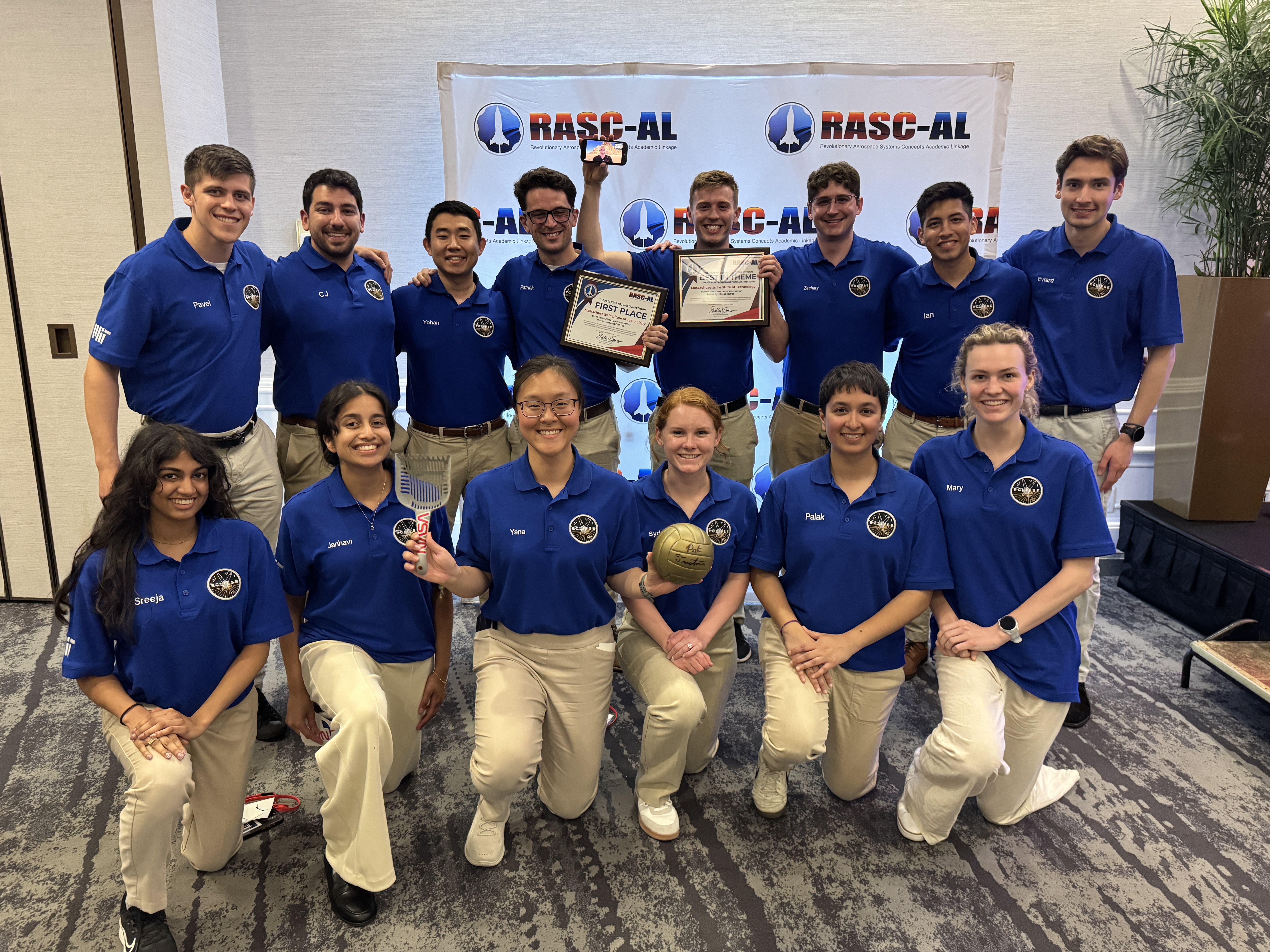
La NASA a annoncé les lauréats de son concours 2026 Revolutionary Aerospace Systems Concepts Academic Linkage, connu sous le nom de RASC-AL, avec une équipe du Massachusetts Institute of Technology remportant la première place pour un projet intitulé Exploration-Class Lunar Integrated Power SystEm, ou ECLIPSE. Selon le texte source fourni, le concours vise à pousser les équipes universitaires à combler les lacunes de la technologie aérospatiale par de nouveaux concepts de systèmes et des prototypes.
Ce résultat est plus qu’une simple distinction académique. La NASA utilise RASC-AL pour exposer les étudiants au type de réflexion systémique, de travail sur l’architecture de mission et de communication technique attendu dans de véritables programmes d’exploration. En ce sens, le concours sert à la fois de filière de talents et d’environnement à faible risque pour de nouvelles idées alignées sur les objectifs de l’agence.
L’infrastructure lunaire au premier plan
Le projet gagnant du MIT portait sur l’alimentation intégrée lunaire, un sujet central pour l’exploration de longue durée à la surface. Une alimentation fiable est l’une des couches essentielles pour presque tout le reste sur la Lune, notamment les habitats, les communications, les charges utiles scientifiques, la mobilité, l’utilisation des ressources et la gestion thermique. Un concept solide dans ce domaine s’inscrit naturellement dans les priorités de l’ère Artemis.
Daniel Mazanek, de la NASA, cité dans le texte source, a déclaré que les équipes gagnantes avaient montré comment l’innovation universitaire peut soutenir les objectifs des missions Artemis. Ce commentaire est important, car il présente le concours non comme un exercice théorique détaché des besoins de l’agence, mais comme un espace où l’analyse rigoureuse des étudiants peut alimenter directement la conversation sur l’exploration.

Le MIT s’empare de deux des premières places
Le MIT n’a pas seulement remporté la première place. Une deuxième équipe du MIT a pris la deuxième place avec un projet intitulé Mars Exploration Layered Infrastructure for Operations, Research, and Advancement, tandis que Virginia Tech a terminé troisième avec le Mars Pylon Network. L’éventail des projets reflète un intérêt large pour l’infrastructure plutôt que pour un matériel de mission isolé. L’alimentation, les communications et les systèmes de surface sont des problèmes fondamentaux, et ils continuent de déterminer le sérieux de toute architecture d’exploration.
Le texte source indique que 14 finalistes ont assisté au Forum RASC-AL de plusieurs jours à Cocoa Beach, en Floride, où ils ont présenté des architectures de mission, des solutions technologiques et des analyses à l’appui. Ces présentations ont fait l’objet de retours d’ingénierie en temps réel, ce qui compte car la valeur de ces concours réside souvent autant dans le processus de critique que dans les récompenses elles-mêmes.
Pourquoi ces concours comptent
L’exploration spatiale regorge d’idées séduisantes qui s’effondrent dès qu’on les soumet à une analyse systémique. L’accent mis par la NASA sur la rigueur technique, l’innovation et l’alignement avec les missions sert à filtrer les concepts capables de résister à plus qu’à une simple présentation. Les étudiants qui se confrontent à cette exigence acquièrent de l’expérience avec les arbitrages qui définissent les véritables programmes de vol : masse, puissance, redondance, interfaces, opérations, modes de défaillance et discipline de communication.
Ce rôle éducatif est explicite dans le texte source. La NASA indique que le concours soutient le développement de la main-d’œuvre en donnant aux équipes une expérience concrète de développement d’architecture de mission, d’ingénierie des systèmes et de communication technique. Ce ne sont pas des compétences accessoires. Elles constituent le lien entre une idée intéressante et un programme qui peut être examiné, financé et construit.

Reconnaissance sur plusieurs thèmes
En plus des lauréats du classement général, la NASA a récompensé des équipes dans une série de prix thématiques. Le texte source cite notamment les distinctions Best in Communications, Position, Navigation, and Time Architectures for Mars Surface Operations pour le projet MELIORA du MIT, Best in Lunar Sample Return Concept pour le projet SELENE de South Dakota State University, et Best in Lunar Surface Power and Power Management and Distribution Architectures pour le concept ECLIPSE du MIT.
Cette diversité montre comment le concours reflète la nature en couches de la planification de l’exploration. Les missions ne sont pas de simples technologies. Ce sont des écosystèmes de puissance, de logistique, de mobilité, de navigation, de communications, d’opérations scientifiques et de facteurs humains. Les équipes étudiantes qui travaillent sur ces thèmes répètent en quelque sorte les débats d’architecture qui façonneront les futures campagnes lunaires et martiennes.
Un aperçu de la direction prise par la NASA
Les résultats du RASC-AL ne doivent pas être interprétés comme des engagements officiels de programmes de la NASA, mais ils offrent un aperçu utile des problèmes que l’agence souhaite voir attaqués par les ingénieurs émergents. L’alimentation lunaire, l’infrastructure de surface martienne et l’architecture de navigation pointent toutes vers une ère de plus en plus centrée sur des opérations soutenues plutôt que sur des missions de démonstration isolées.
Cela rend le concours de cette année particulièrement notable. Il récompense non seulement la créativité, mais aussi une réflexion pratique sur la manière de maintenir en vie, de connecter et d’étendre les futurs systèmes d’exploration. Pour la NASA, c’est un exercice de développement de la main-d’œuvre. Pour les étudiants, c’est l’occasion de travailler sur les véritables goulots d’étranglement de la prochaine ère spatiale.
Cet article est basé sur un reportage de la NASA. Lire l’article original.

Originally published on nasa.gov