Un nouveau modèle revisite l’une des plus anciennes questions de la science planétaire
La manière dont la Terre a obtenu les ingrédients chimiques nécessaires à la vie demeure l’une des grandes questions ouvertes de la science planétaire. Une étude soutenue par la NASA et mise en avant dans le document source fourni avance que la réponse pourrait exiger de revoir le rôle de Jupiter. Plutôt que de reposer principalement sur des matériaux du Système solaire externe arrivés plus tard, pendant le Grand Bombardement tardif, l’étude suggère que la géante gazeuse a peut-être contribué à mettre en place une voie bien plus précoce permettant aux éléments essentiels à la vie d’atteindre le Système solaire interne.
L’image conventionnelle était relativement simple. La Terre primitive, dans cette lecture, a reçu des matières volatiles clés et biologiquement importantes provenant de comètes et d’astéroïdes formés plus loin du Soleil, les bombardements ultérieurs apportant à la fois de l’eau et des briques chimiques. La source indique que ce cadre standard renvoie souvent aux chondrites du Système solaire externe comme transporteurs probables. La nouvelle étude remet toutefois en cause le calendrier implicite dans cette explication. Si ces corps parents de météorites se sont formés deux à quatre millions d’années après les premiers solides du Système solaire, ils sont peut-être arrivés trop tard pour expliquer l’apport initial des éléments essentiels à la vie.
L’équipe de recherche, basée à Rice University, s’est concentrée sur l’origine de ce que le texte source appelle les éléments essentiels à la vie, résumés sous l’acronyme CHNOPS : carbone, hydrogène, azote, oxygène, phosphore et soufre. Ces éléments sont fondamentaux pour la biologie connue, mais la question n’est pas de savoir s’ils existaient dans le jeune Système solaire. Il s’agit de savoir comment et quand ils ont été intégrés à la matière qui a construit les planètes telluriques. Ce calendrier compte, car la Terre semble être devenue habitable très tôt dans son histoire, avec des preuves que la vie est apparue il y a environ 4 milliards d’années.
L’importance de l’étude tient à la manière dont elle relie dynamique planétaire et chimie planétaire. Jupiter n’est pas simplement une planète de plus dans ce modèle. En tant qu’acteur gravitationnel dominant du Système solaire, il a pu influencer la manière dont la matière circulait dans le disque protoplanétaire et les réservoirs accessibles aux planètes internes aux étapes cruciales de leur formation. Autrement dit, la géante gazeuse a pu agir moins comme un arrière-plan lointain que comme un architecte des conditions chimiques initiales de la Terre.
Ce changement est significatif, car il transforme une vieille histoire d’apport en une histoire plus complexe de tri et de transport. Au lieu de supposer que les ingrédients propices à l’habitabilité sont arrivés principalement lors d’une phase tardive de nettoyage de l’évolution du Système solaire, l’étude suggère qu’une partie de la chimie cruciale a pu être distribuée plus tôt par des processus façonnés par la structure orbitale et l’influence des géantes planétaires. Si cela se confirme, l’écart entre la formation de la Terre et l’acquisition des ingrédients nécessaires au maintien de la vie se réduirait.
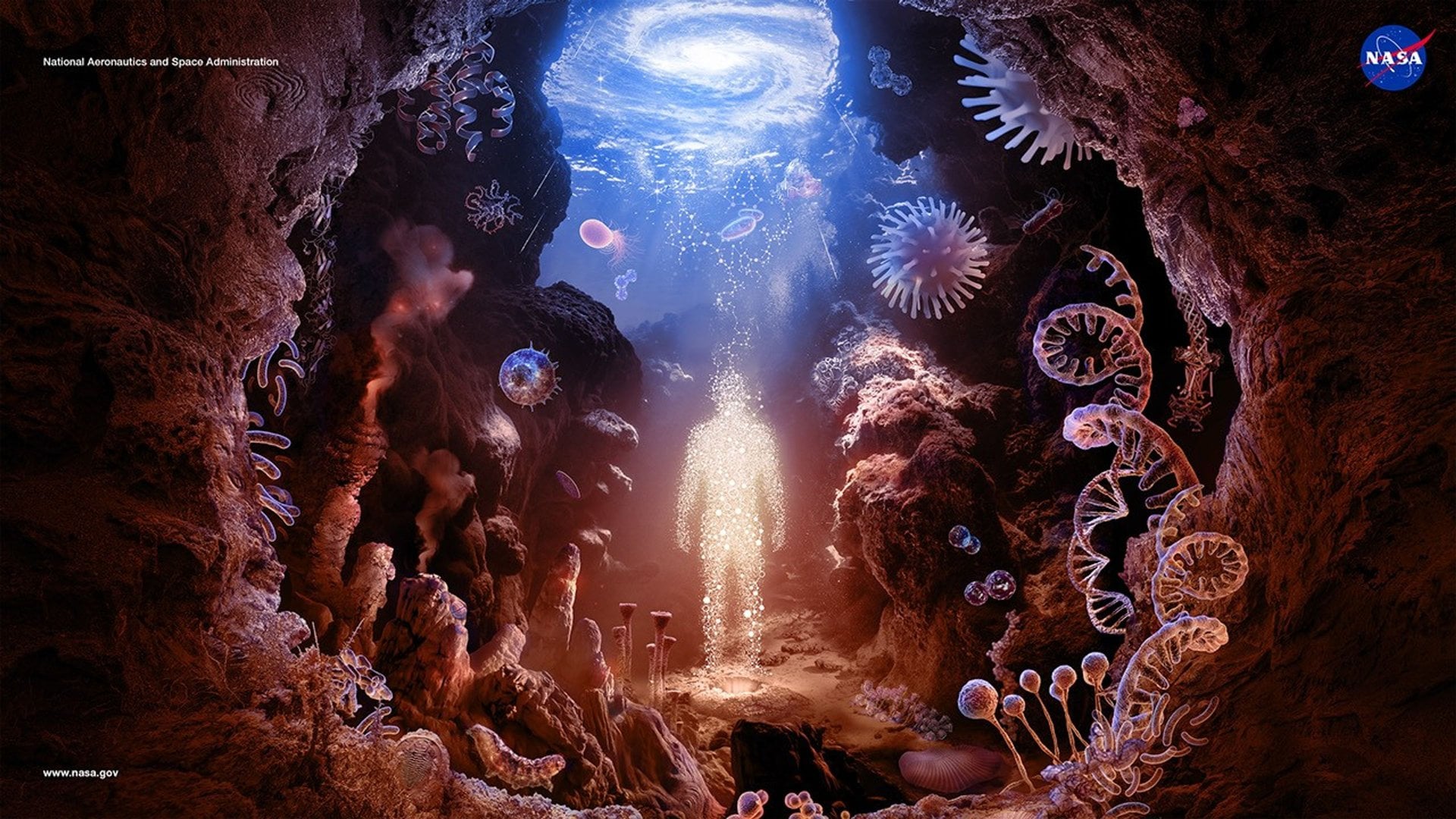
Le texte source replace aussi l’étude dans un contexte scientifique plus large. La chimie de la vie sur Terre remonte à des éléments plus lourds forgés dans des générations antérieures d’étoiles et incorporés à la nébuleuse qui a formé le Soleil et les planètes. Dans cette perspective cosmique, le problème n’est pas l’existence des ingrédients, mais le trajet qu’ils ont suivi des débris stellaires jusqu’à un monde vivant. Le rôle proposé pour Jupiter se situe donc à l’intersection de l’astrophysique, de la géochimie et de la théorie de la formation planétaire.
Pourquoi les chercheurs s’y intéresseront
- L’étude remet en cause une explication largement citée qui privilégie un apport tardif par les chondrites du Système solaire externe.
- Elle soutient que le calendrier de ces matériaux ne correspond peut-être pas au tout premier apport des éléments essentiels à la vie.
- Jupiter a pu influencer la manière dont des matériaux chimiquement importants ont gagné le Système solaire interne.
- Les résultats pourraient modifier les modèles expliquant l’émergence précoce de l’habitabilité sur Terre.
Comme toute réinterprétation de l’histoire du jeune Système solaire, cette nouvelle proposition ne mettra sans doute pas fin au débat. Mais elle le précise de manière importante. Si Jupiter a aidé à déterminer quand et comment la chimie de base de la vie est arrivée sur Terre, alors l’émergence de l’habitabilité pourrait dépendre autant de l’architecture des géantes planétaires que des petits corps ayant ensuite frappé la jeune planète. L’origine de la vie sur Terre relèverait alors non seulement de la chimie, mais aussi de la mécanique céleste à l’échelle du système.
Cet article est basé sur un reportage de Universe Today. Lire l’article original.
Originally published on universetoday.com