L’un des volcans les plus étudiés au monde pourrait ne pas correspondre au manuel
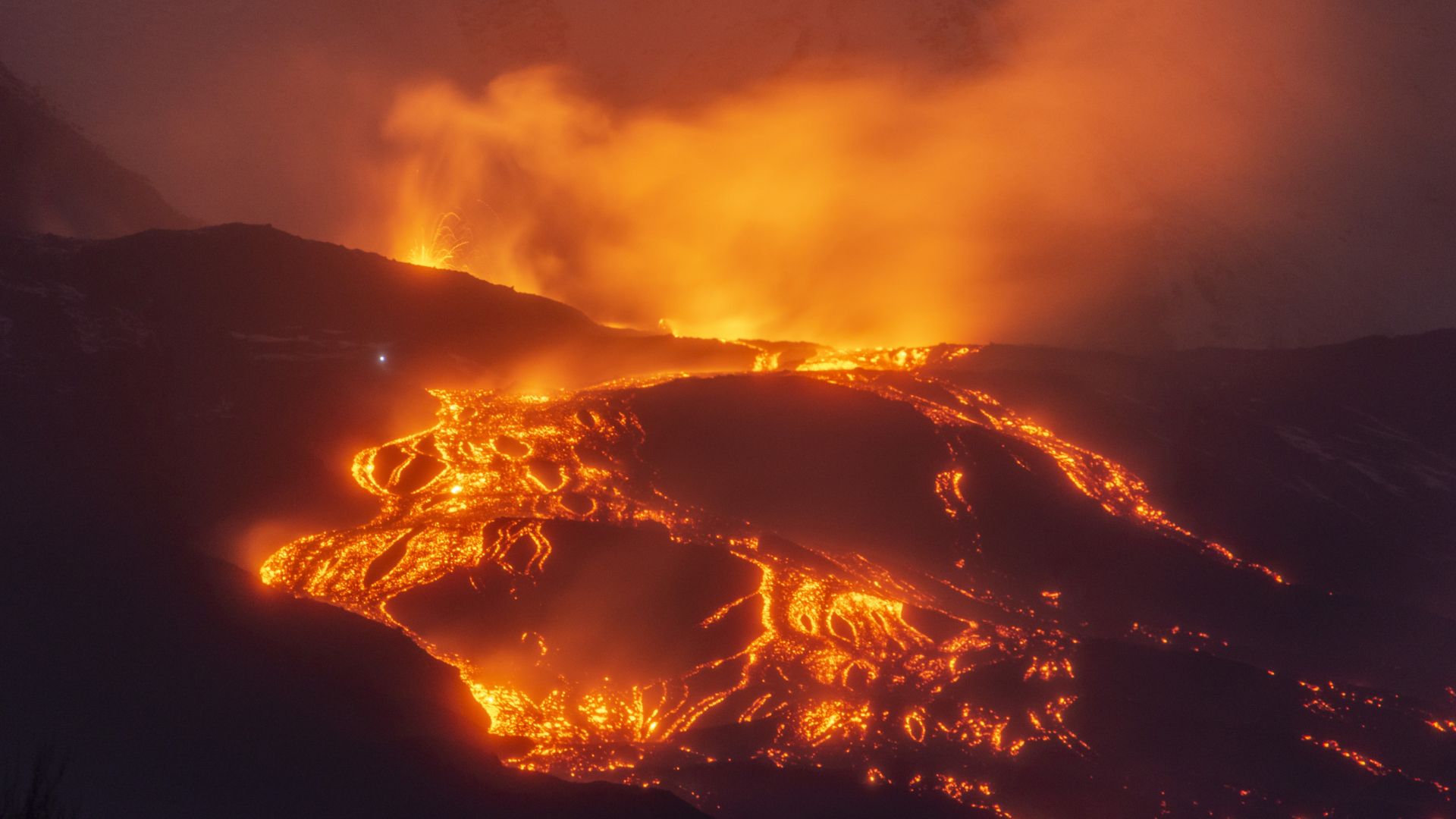
L’Etna se distingue depuis longtemps des autres volcans, mais de nouvelles recherches suggèrent que ses différences vont au-delà d’une chimie ou d’une localisation inhabituelles. Selon une étude relayée par Live Science, l’Etna pourrait représenter ce que les chercheurs appellent un nouveau type de volcanisme, qui ne correspond pas aux trois catégories standard qui ont longtemps structuré la compréhension géologique de la formation des volcans.
C’est une affirmation importante pour l’un des volcans les plus connus de la Terre. L’Etna domine l’est de la Sicile et culmine à plus de 11 000 pieds au-dessus du niveau de la mer, mais son origine est restée difficile à expliquer avec les cadres géologiques habituels. Le nouveau travail, publié le 7 avril dans JGR Solid Earth, propose une explication qui pourrait obliger à repenser plus largement la classification du volcanisme.
Les trois modèles classiques
Avant cette étude, les chercheurs divisaient généralement les volcans en trois grands groupes. Le premier comprend les volcans des dorsales océaniques, qui se forment lorsque les plaques tectoniques s’écartent et que le magma remonte pour créer une nouvelle croûte. Le deuxième comprend les volcans intraplaques comme Yellowstone ou les îles d’Hawaï, où un point chaud du manteau alimente une activité éruptive concentrée loin des limites de plaques. Le troisième comprend les volcans de zone de subduction, qui se forment à l’intérieur des terres, là où une plaque tectonique plonge sous une autre et où l’eau libérée par la plaque descendante aide à générer une fusion sous la surface.
Ces catégories sont utiles parce qu’elles relient le comportement volcanique au contexte tectonique. Mais l’Etna a toujours été difficile à faire entrer dans ce schéma. Il se trouve près de la frontière où la plaque africaine se déplace sous la plaque eurasiatique, ce qui pourrait suggérer un contexte de subduction. Pourtant, il est situé exactement à la limite des plaques, et non à l’intérieur des terres où se trouvent la plupart des volcans liés à la subduction.

Un décalage chimique et tectonique
Le décalage n’est pas seulement géographique. Live Science a rapporté que la chimie de la lave de l’Etna ressemble davantage à celle du volcanisme de point chaud, alors qu’aucune preuve d’un point chaud sous la région n’existe. Le volcan se retrouve donc coincé entre les catégories : ni clairement un volcan classique de subduction, ni un volcan de point chaud, ni un système de dorsale océanique.
Cette tension a fait de l’Etna une énigme persistante. La nouvelle étude semble la résoudre en pointant vers un processus de formation plus proche du volcanisme petit-spot. Les volcans petit-spot sont de petits monts sous-marins qui se forment sur le plancher océanique. Ils ne mesurent généralement que quelques centaines de pieds de haut, bien moins que l’Etna, mais la comparaison proposée concerne le mécanisme et non l’échelle.
Pourquoi cette nouvelle idée est importante
Si l’analogie tient, l’Etna ne serait pas seulement un exemple étrange au sein d’une catégorie existante. Il représenterait une autre voie de génération et d’éruption du magma. Sarah Lambart, pétrologue à l’University of Utah et non impliquée dans l’étude, a déclaré à Live Science que cette découverte “représente en fait un nouveau type de volcanisme”.
Cette déclaration compte parce que la volcanologie repose fortement sur des cadres comparatifs. Les scientifiques classent les volcans pour comprendre ce qui fait fondre les roches, où le magma s’accumule, comment les éruptions sont susceptibles de se comporter et comment les forces tectoniques façonnent l’évolution à long terme. Si l’un des volcans les plus emblématiques d’Europe s’est formé d’une manière fondamentalement différente, cela suggère que ces cadres ne sont peut-être pas aussi complets qu’on le pensait.

Pourquoi l’Etna a résisté à une explication simple
La localisation de l’Etna en Sicile le place dans l’un des contextes tectoniques les plus complexes de la Méditerranée. Les mouvements de plaques y ne s’alignent pas proprement sur les schémas simplifiés utilisés en géologie introductive. La position du volcan exactement à l’interface des plaques a toujours rendu difficile sa classification selon le modèle de volcan de subduction continental observé dans des régions comme le Japon ou les Cascades.
Ce qui rend la nouvelle étude convaincante, c’est qu’elle n’essaie pas de forcer l’Etna dans une catégorie qui ne lui convient qu’en partie. Elle suggère plutôt que le système de classification lui-même pourrait devoir être élargi. C’est souvent ainsi que progresse la géoscience : non pas en découvrant un objet totalement inconnu, mais en expliquant enfin un objet familier qui résistait aux interprétations précédentes.
Un rappel que la Terre surprend encore les chercheurs
L’Etna compte parmi les volcans les plus observés de la planète, et pourtant il pourrait encore apprendre aux chercheurs quelque chose de fondamental sur le fonctionnement du volcanisme. C’est un rappel utile que, même dans des disciplines scientifiques matures, des hypothèses anciennes peuvent être révisées à la lumière de nouvelles preuves et de meilleurs modèles.
L’étude n’efface pas l’importance du cadre classique des trois types. Les dorsales océaniques, les points chauds et les zones de subduction restent les moteurs dominants du volcanisme sur Terre. Mais si l’Etna appartient réellement à une catégorie à part, alors les géologues devront peut-être penser plus souplement aux conditions limites qui permettent au magma de remonter.
Pour l’instant, la principale leçon n’est pas que les manuels sont soudain devenus obsolètes. C’est qu’un volcan emblématique a peut-être révélé un angle mort dans la manière dont les chercheurs classent les systèmes volcaniques. En science, ce sont souvent ces moments-là qui ouvrent la porte à la prochaine découverte.
Cet article s’appuie sur un reportage de Live Science. Lire l’article original.

Originally published on livescience.com