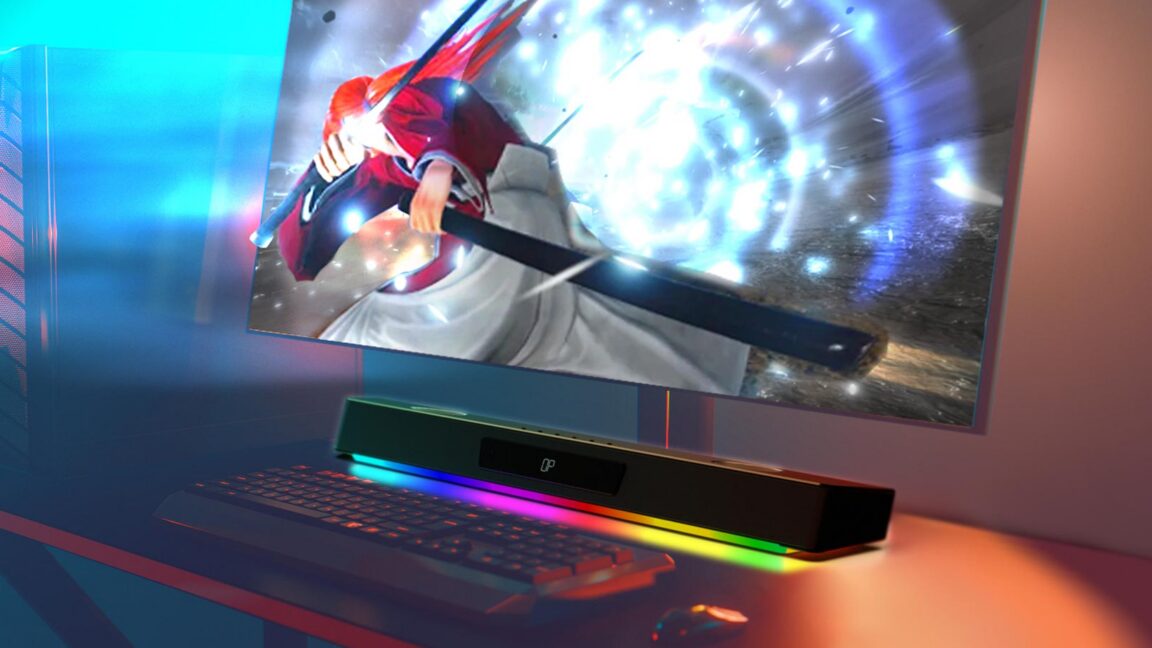
Un périphérique audio qui peut devenir un pont d'attaque
Le chercheur en sécurité Rasmus Moorats a découvert une faiblesse frappante dans la Sound Blaster Katana V2X de Creative : un appareil Bluetooth à proximité pouvait communiquer avec l'enceinte même lorsqu'elle était connectée à un PC, un Mac ou une machine Linux en USB, et ce sans authentification ni appairage préalable.
Ce comportement est important car il crée un pont inattendu entre une interface radio et un ordinateur directement relié. Les systèmes d'exploitation s'efforcent généralement d'empêcher les appareils distants d'émettre des commandes dangereuses vers un hôte. Dans ce cas, l'enceinte devenait un proxy susceptible de contourner ces protections.
Ce que le chercheur a trouvé
Selon le reportage d'Ars Technica, Moorats explorait le Creative Transport Protocol, ou CTP, propriétaire de l'enceinte. Ce protocole permettait aux appareils connectés d'envoyer des commandes pour des fonctions normales comme les changements de LED et d'égaliseur, et de recevoir des réponses de l'enceinte. Mais une commande s'est distinguée : une option permettant de charger un nouveau firmware.
Cette voie de firmware ne semblait pas disposer de signature de code ni de contrôles équivalents pour garantir que seul un logiciel officiel puisse être installé. Moorats a démontré qu'il pouvait remplacer le firmware de l'enceinte par une image personnalisée. À partir de là, il a examiné la pile logicielle basée sur FreeRTOS et a trouvé des fonctions de périphérique d'interface humaine qui permettaient à l'enceinte de se comporter, dans une certaine mesure, comme un clavier ou un accessoire USB apparenté.
L'implication dangereuse est simple. Si un attaquant peut se trouver à portée Bluetooth, se connecter sans appairage et installer un firmware modifié, l'enceinte peut potentiellement être transformée pour envoyer une entrée HID malveillante à l'ordinateur hôte via USB.

Pourquoi il s'agit d'un sérieux problème de conception
Beaucoup d'utilisateurs considèrent les enceintes et les barres de son comme des périphériques à faible risque. Elles ne sont généralement pas perçues comme des appareils capables de franchir des frontières de confiance et d'introduire des chemins d'exécution de code dans un ordinateur. Ce cas montre pourquoi cette hypothèse est dépassée.
La faiblesse n'est pas simplement un bug dans une application compagnon ou une mauvaise configuration isolée. C'est une chaîne de décisions de conception permissives : un accès Bluetooth sans authentification, un reflash du firmware sans contrôles d'intégrité robustes, et un appareil connecté en USB doté de capacités HID. Chaque élément amplifie le suivant.
Comme l'enceinte peut être connectée à des systèmes Windows, macOS ou Linux, le risque ne se limite pas à une seule famille de plateformes. L'exposition suit le périphérique, et non un système d'exploitation unique.
Réponse du fournisseur et enseignements plus larges
Ars indique que le vendeur ne considère pas ce comportement comme une vulnérabilité. Cette position risque d'être examinée de près, car le problème touche au cœur de la confiance accordée aux périphériques connectés. Un appareil qui accepte des commandes radio de proximité non authentifiées puis peut influencer un hôte USB est difficile à qualifier d'inoffensif.
L'épisode rappelle aussi que les produits matériels modernes sont en réalité des plateformes logicielles déguisées. Les barres de son, webcams, claviers et stations d'accueil exécutent de plus en plus des systèmes d'exploitation, exposent des services internes et font le pont entre plusieurs types de connexion. Cette complexité crée de nouvelles surfaces d'attaque que les utilisateurs ne remarquent peut-être jamais.
Pour les défenseurs, l'enseignement principal est simple : la sécurité des périphériques mérite le même scepticisme que celui autrefois réservé aux routeurs et aux téléphones. Un accessoire grand public très bien noté peut malgré tout devenir un point d'entrée si son firmware et ses chemins de communication ne sont pas verrouillés. Dans le cas de la Katana V2X, le plus surprenant n'est pas qu'un chercheur ait trouvé une faille. C'est à quel point peu d'interactions ont suffi pour transformer une enceinte en point d'appui à distance.
Cet article est basé sur le reportage d'Ars Technica. Lire l'article original.
Originally published on arstechnica.com