La Marine donne un nom à un programme de missile jusque-là discret
La Marine américaine a publiquement identifié une nouvelle arme air-air à longue portée baptisée « Malice », officiellement désignée AIM-424 Long Range Air-to-Air Missile, ou LRAAM. Dans un communiqué cité par Breaking Defense, le service a indiqué que le missile est développé comme un système de nouvelle génération destiné à renforcer la défense de la flotte et à préserver ce qu’il décrit comme un avantage décisif dans le domaine aérien face à des menaces avancées.
Cette révélation est importante car elle fait passer le programme d’images éparses et de références partielles à une vision publique plus définie. La Marine retient toujours les détails essentiels de performances et de calendrier, mais elle a désormais confirmé le rôle visé du missile, certaines caractéristiques physiques et le large éventail d’aéronefs qu’il est censé soutenir. À elle seule, cette confirmation suffit à montrer que l’aviation navale se prépare à un environnement de combat aérien beaucoup plus lointain que celui associé aux armes standard au-delà de la portée visuelle actuelle.
Une arme conçue autour de la distance
Selon la Marine, le missile est conçu pour frapper des cibles à plus de 250 milles nautiques, soit environ 287.7 miles. Ce chiffre place immédiatement Malice dans une catégorie centrée sur la portée, l’engagement à distance et la capacité à traiter les menaces plus tôt dans le combat. Le service a indiqué que le programme vise à améliorer la portée, la létalité et l’efficacité au combat des forces aériennes des Marines et de la Marine chargées de défendre les flottes, les intérêts nationaux et le territoire.
Cette insistance sur la distance n’est pas une simple amélioration cosmétique. Elle reflète un environnement opérationnel dans lequel la survivabilité dépend de plus en plus de la détection et de l’engagement d’aéronefs hostiles avant qu’ils ne puissent se rapprocher, tirer, ou forcer les avions américains et alliés à adopter des positions moins favorables. La Marine a présenté ce système comme faisant partie de la dissuasion intégrée, une expression qui relie le développement d’armes tactiques à un effort plus large visant à influencer les décisions de l’adversaire avant le début d’un conflit.
Le service a également indiqué que le LRAAM vise à préserver un avantage de « première détection, premier tir, première destruction ». Ce langage suggère que le missile n’est pas seulement construit pour voler plus loin, mais pour s’inscrire dans un réseau plus vaste de capteurs et de tireurs, dans lequel les avions peuvent exploiter une détection plus précoce et mettre les menaces en danger plus rapidement. Même sans détails classifiés, la logique opérationnelle visée est claire : une portée accrue peut élargir la flexibilité tactique, compliquer la planification ennemie et potentiellement réduire l’exposition des pilotes américains et des actifs navals de grande valeur.
Conçu pour les appareils actuels et futurs
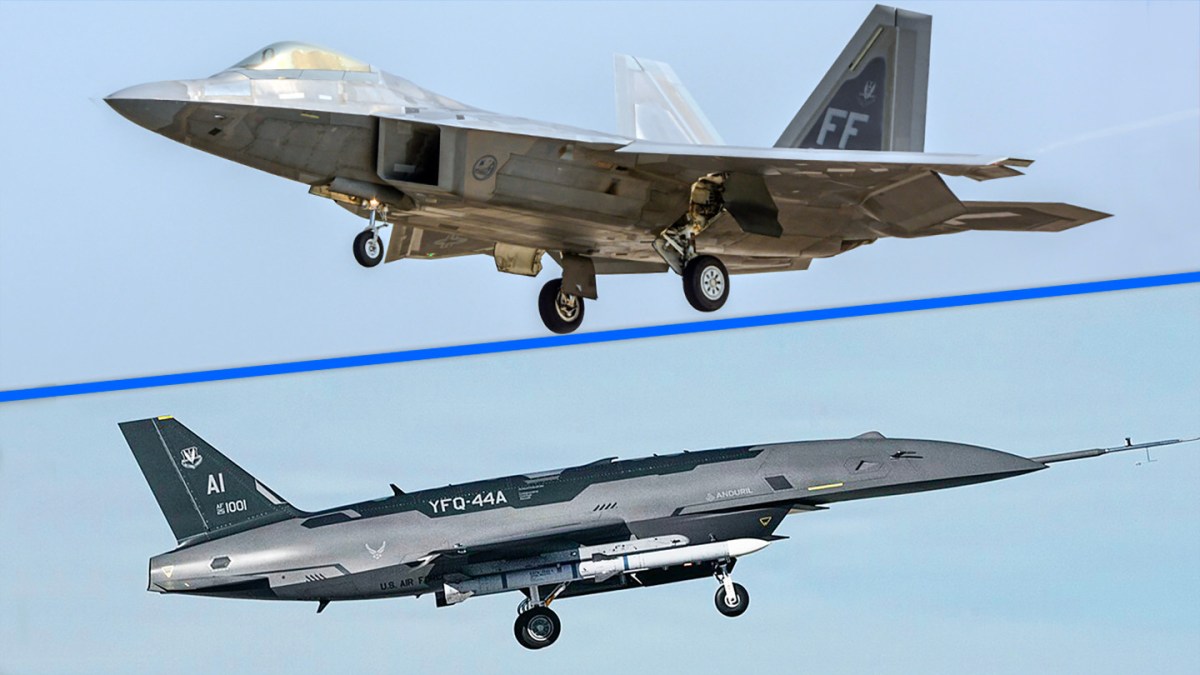
La Marine a indiqué que Malice est conçu pour des plateformes aériennes de quatrième, cinquième et sixième génération. C’est l’un des éléments les plus significatifs de la description publique, car il montre que le missile est destiné à faire le lien entre plusieurs époques du combat aérien, et non à rester cantonné à une seule plateforme spécialisée.
Breaking Defense a rapporté que le missile mesure 13.5 pieds de long et 13.5 pouces de diamètre. Ces dimensions expliquent en partie pourquoi la Marine a mis en avant la compatibilité avec divers types d’aéronefs tout en restant vague sur l’intégration exacte. Un missile destiné à la fois à des avions furtifs hérités et à des appareils plus récents doit équilibrer taille, options de portage et performances aérodynamiques d’une manière qui détermine l’ampleur de son déploiement possible.
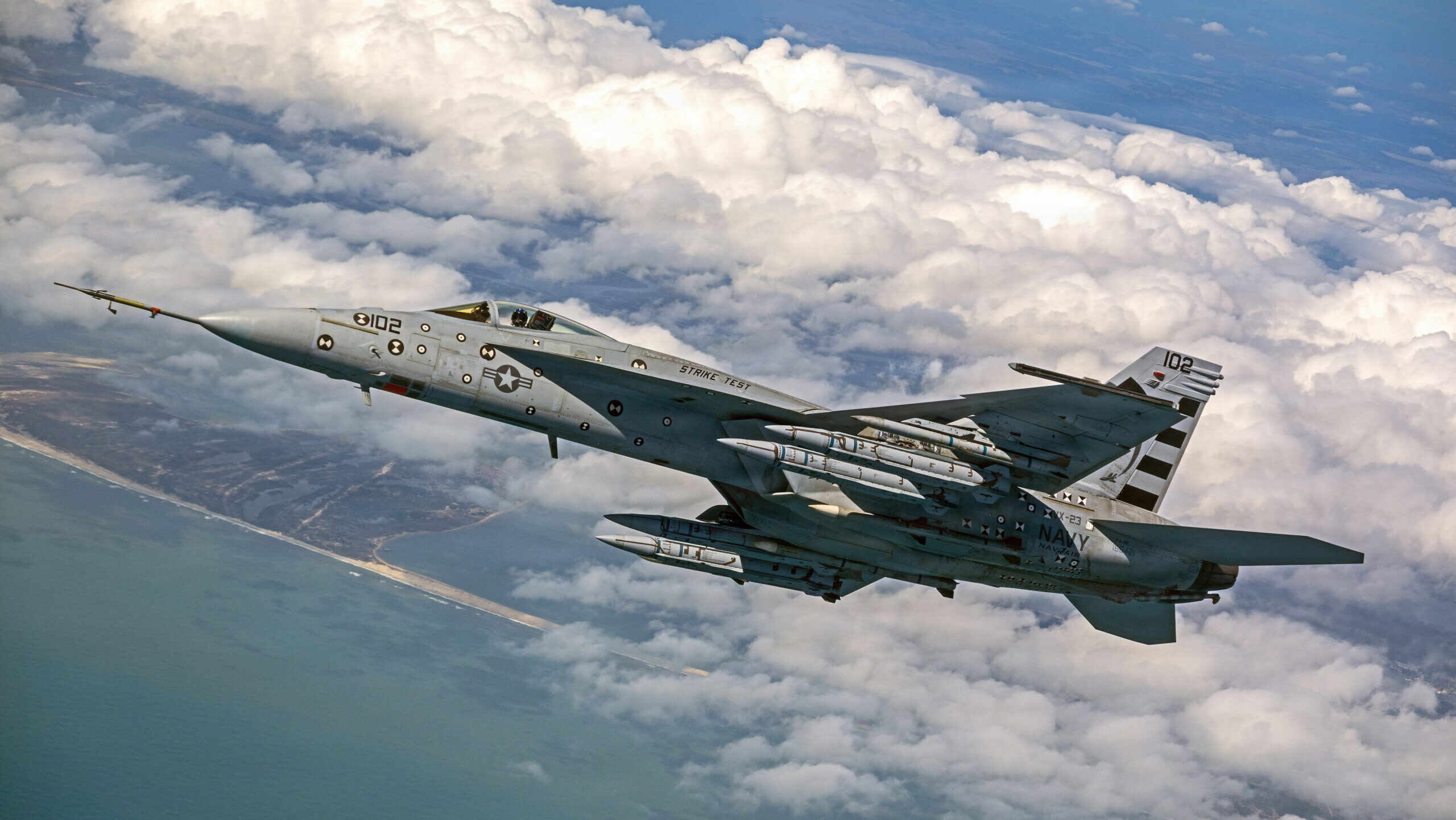
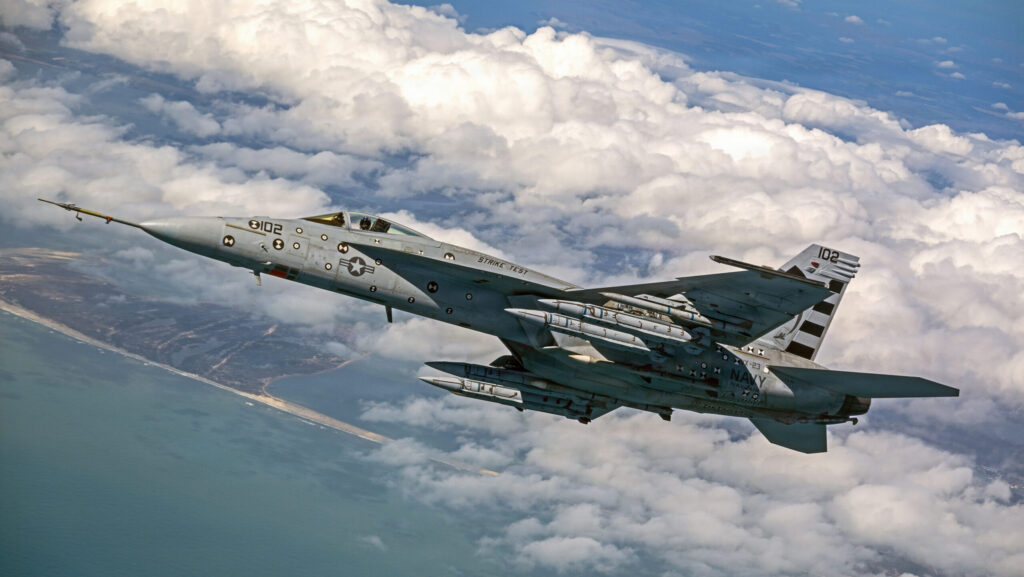
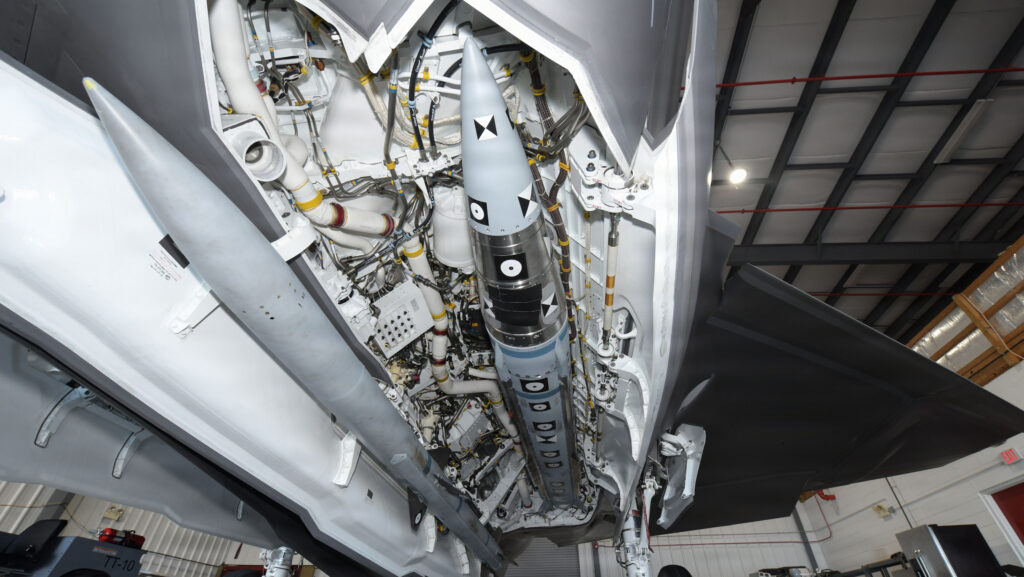
Les images publiées ont déjà donné un aperçu de cette stratégie. La Marine a publié en avril une photo montrant quatre missiles chargés sur un F/A-18E Super Hornet à l’occasion de ce qu’elle a décrit comme un essai. Une autre photo publiée plus tôt en août montrait un missile installé dans la soute d’armes interne d’un F-35C, avec un AIM-120 AMRAAM monté sur la porte de soute. Ces images suggèrent que le service cherche à rendre Malice pertinent à la fois pour les chasseurs embarqués qui emportent leurs armes à l’extérieur et pour les avions furtifs qui tirent leur survivabilité du port interne.
Si cette voie d’intégration se confirme, la Marine disposerait d’un missile utilisable sur un large éventail d’appareils du groupe aérien embarqué, tout en préparant les générations futures d’aéronefs. L’effet pratique est une continuité potentielle : un seul concept d’arme air-air longue portée capable d’évoluer avec la flotte plutôt que d’être lié à une seule génération de plateforme.
La divulgation publique reste partielle et délibérée
Même avec ce nouveau nom et cette reconnaissance officielle, le programme Malice reste largement caché au public. La Marine a déclaré à Breaking Defense que d’autres détails sur les capacités et les calendriers de déploiement restent classifiés pour des raisons de sécurité opérationnelle. Cela laisse sans réponse de grandes questions, notamment la manière dont le missile est guidé, son intégration dans des architectures coopératives de ciblage, sa date d’arrivée possible dans la flotte et l’ampleur de production envisagée par la Marine.
Pour autant, cette divulgation partielle est révélatrice à sa manière. Le service semble prêt à montrer suffisamment pour façonner la compréhension extérieure sans exposer les attributs les plus sensibles du programme. Cela peut servir plusieurs objectifs à la fois : informer l’industrie et le Congrès que le programme est bien réel, signaler aux concurrents que la capacité se développe, et rassurer les opérateurs sur le fait que le combat aérien à plus longue portée reste une priorité active de modernisation.
Il y a aussi une question de calendrier. Breaking Defense a noté que le missile semble être resté sous le radar médiatique jusqu’à ce que la Marine annonce, lors du Tailhook Symposium le week-end dernier, que le système avait été testé, en citant un rapport d’Aviation Week. Autrement dit, la reconnaissance publique n’est pas intervenue dès le début de l’effort. Elle est venue après l’accumulation de suffisamment d’essais visibles et d’images pour permettre une présentation plus formelle.
Pourquoi l’annonce compte maintenant
La révélation de Malice arrive à un moment où la modernisation du combat aérien est de plus en plus définie par la portée, la survivabilité et l’adaptabilité. La description de la Marine renvoie à une arme façonnée par ces trois dimensions. Elle est longue portée par conception, destinée à s’adapter à plusieurs générations d’aéronefs et présentée comme un outil pour défendre la flotte contre des menaces avancées.
Cela ne signifie pas que le public sache encore à quel point le missile sera transformateur en service. Les détails techniques les plus importants restent secrets et la Marine n’a pas dévoilé de calendrier de déploiement. Mais l’annonce établit une direction claire : l’aviation navale veut une portée bien plus grande dans le combat air-air, et elle construit une arme spécifiquement pensée pour ce besoin.
Pour les observateurs de la défense, l’enjeu tient moins au surnom qu’au message stratégique qui le sous-tend. La Marine signale que sa future bataille aérienne dépendra de l’allongement des distances d’engagement tout en préservant la flexibilité des aéronefs tactiques pilotés. Malice est désormais le marqueur public le plus clair de cette dynamique.
Cet article s’appuie sur le reportage de Breaking Defense. Lire l’article original.
Originally published on breakingdefense.com