Un missile clé toujours en route vers l’entrée en service
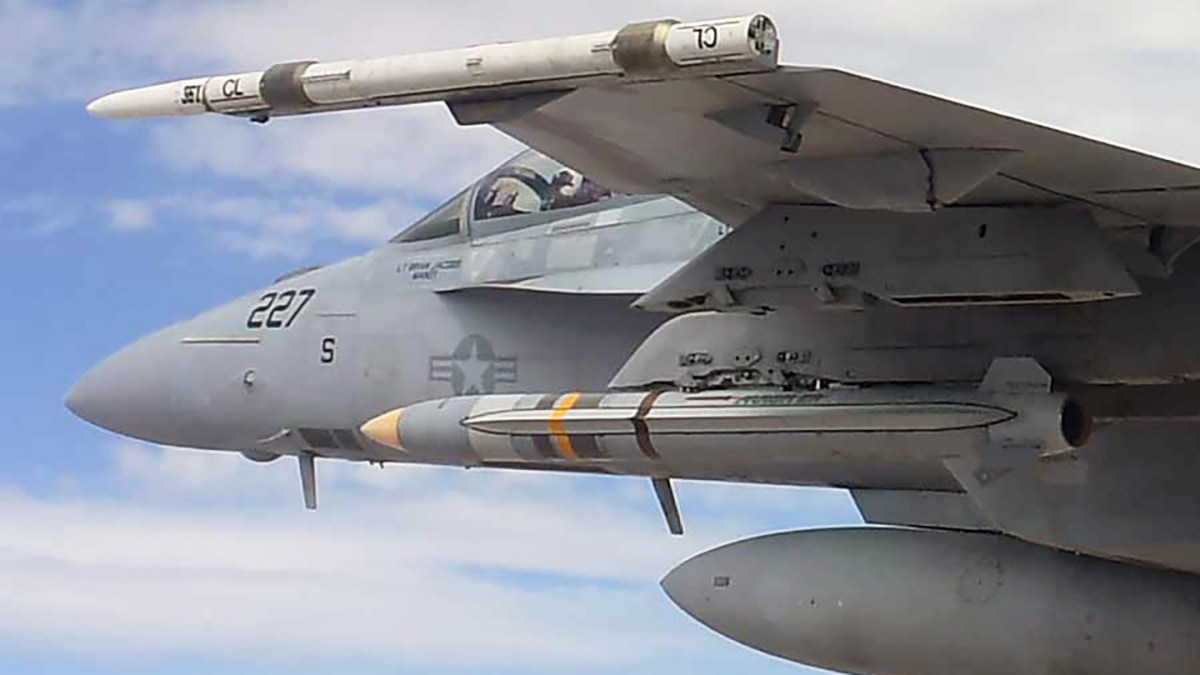
La Marine américaine affirme qu’elle reste en bonne voie pour mettre en service l’AGM-88G Advanced Anti-Radiation Guided Missile-Extended Range, ou AARGM-ER, en septembre 2026, malgré une pause prévue dans les achats au cours de l’exercice 2027. Cette combinaison d’ambition opérationnelle à court terme et de retenue temporaire dans les achats a fait du programme l’une des histoires de munitions les plus suivies dans l’aéronavale.
L’AARGM-ER est conçu pour donner aux groupes aériens embarqués une capacité accrue à attaquer les systèmes intégrés de défense aérienne adverses. Cette mission est devenue plus importante à mesure que des adversaires potentiels déploient des architectures de défense aérienne plus denses, à plus longue portée et davantage interconnectées. Dans tout conflit où les avions américains doivent opérer dans un espace aérien fortement contesté, la suppression ou la destruction des radars ennemis et des défenses associées est un préalable à une plus grande liberté d’action.
Le missile est en développement depuis la fin des années 2010, Northrop Grumman étant le maître d’œuvre après l’acquisition d’Orbital ATK. La Marine a déjà commandé des dizaines d’exemplaires. C’est pourquoi l’absence de crédits d’acquisition dans le budget proposé du service pour l’exercice 2027 a immédiatement attiré l’attention.
Pourquoi la « pause stratégique » a déclenché l’alerte
À première vue, une pause dans les achats de missiles peut signifier plusieurs choses. Elle peut refléter une pression budgétaire, des goulets d’étranglement industriels, des problèmes techniques non résolus, un problème de maturité logicielle ou une décision délibérée d’arrêter les achats jusqu’à la fin des essais. Dans le cas de l’AARGM-ER, la Marine dit que la pause est liée au dernier de ces facteurs.
Un porte-parole de la Marine a déclaré à The War Zone que l’acquisition américaine reprendra après l’achèvement des essais nécessaires et des mises à jour logicielles. La priorité immédiate, selon le service, est d’atteindre les jalons requis pour la capacité opérationnelle initiale en septembre 2026. Après ce travail de validation, la Marine affirme vouloir relancer la production et résorber un carnet de plus de 150 missiles, avec une reprise officielle des achats américains à l’exercice 2028.
Cette explication apporte plus de clarté que le budget seul, mais elle ne supprime pas l’inquiétude. Les programmes qui rencontrent des problèmes d’essais et de logiciel découvrent souvent qu’il est plus difficile que prévu de rattraper le calendrier, en particulier lorsque l’arme concernée est destinée à une mission exigeante de suppression des défenses aériennes ennemies.
Pourquoi l’AARGM-ER est stratégiquement important
Le missile n’est pas qu’une ligne de plus dans l’inventaire des armes de précision. Il s’inscrit dans la réponse de la Marine à une réalité opérationnelle plus dure. L’aviation embarquée doit pouvoir survivre face à des réseaux radar modernes, à des missiles sol-air à longue portée et à des systèmes de défense aérienne mobiles plus capables que les menaces contre lesquelles les premières générations de missiles antiradiation avaient été conçues.
L’AARGM-ER doit accroître à la fois la portée et la survivabilité dans cet ensemble de missions. Une capacité antiradiation plus robuste, en mode stand-in ou stand-off, aide les avions à neutraliser les défenses avant qu’elles ne puissent menacer des ensembles de frappe plus importants. Cela a des conséquences directes sur le tempo opérationnel, le risque pour les pilotes et la viabilité de la puissance aéronavale dans un scénario de conflit dans le Pacifique ou dans une autre crise de haut niveau.
Ces enjeux expliquent pourquoi la Marine pousse à déployer le missile tout en suspendant temporairement de nouveaux achats nationaux. Le service semble considérer que l’IOC est trop importante pour être reportée, à condition que les essais restants et les travaux logiciels puissent être menés à bien.
Les ventes à l’étranger maintiennent la ligne active
Un élément important de l’explication de la Marine est que la production de l’exercice 2027 ne s’arrêtera pas complètement. Elle sera plutôt consacrée à des ventes militaires à l’étranger pour cinq dossiers internationaux déjà signés. La Marine n’a pas identifié les clients dans sa déclaration, mais l’Italie est un partenaire de développement sur l’AGM-88G, et le gouvernement américain a déjà approuvé des ventes à l’Australie, à la Finlande et aux Pays-Bas. La Norvège a également fait connaître publiquement son intérêt.
Cela compte pour deux raisons. D’abord, cela aide à préserver le rythme de production pendant la pause des achats américains. Ensuite, cela montre que la demande alliée pour une capacité antiradiation avancée reste forte malgré les questions sur la trajectoire d’essais du missile. La participation internationale peut aider à maintenir la continuité industrielle, mais elle accroît aussi l’attente que la Marine résolve les problèmes de logiciel et de validation en suspens sans remaniement plus large du programme.
Les risques à venir
Le message de la Marine est clair, mais la voie reste étroite. Pour atteindre l’IOC en septembre, l’AARGM-ER doit franchir dans les délais les derniers obstacles d’essais et les mises à jour logicielles. Si cela prend du retard, le programme pourrait faire face à une dynamique plus délicate : un objectif de mise en service manqué, des achats américains suspendus et des livraisons alliées qui se poursuivent entre-temps.
Les principaux risques sont familiers dans le développement des munitions avancées :
- Une maturité logicielle insuffisante affectant le guidage, la désignation des cibles ou l’intégration du système
- Des retards d’essais qui compressent les fenêtres de décision
- Un contrôle budgétaire accru en raison d’une instabilité perçue
- Des inefficiences de production si la montée en cadence reprend plus tard que prévu
Aucun de ces scénarios n’est inévitable, mais ce sont eux qui expliquent pourquoi les trous dans les achats sont rarement perçus comme des événements neutres à Washington ou dans la base industrielle de défense.
Un programme à un point d’inflexion
L’histoire de l’AARGM-ER porte désormais moins sur la nécessité du missile que sur la capacité de la Marine à le faire passer proprement du développement à une utilisation crédible en service. L’insistance du service sur une IOC toujours attendue en 2026 suggère une confiance institutionnelle. La pause dans les achats montre que cette confiance est conditionnée par la réussite préalable de jalons techniques difficiles.
C’est une position défendable si les problèmes restants sont contenus et réparables. Elle devient plus difficile à tenir si de nouveaux problèmes apparaissent. Pour l’instant, la Marine tente de maintenir deux idées à la fois : l’arme est stratégiquement assez importante pour être déployée cette année, et pas encore assez mature pour justifier de nouveaux achats nationaux l’an prochain.
La façon dont cet équilibre se résoudra déterminera si l’AARGM-ER devient un cas d’école de correction disciplinée des acquisitions ou un rappel supplémentaire que la dernière ligne droite du développement d’armes est souvent la plus révélatrice. D’ici septembre, la Marine attend sa réponse.
Cet article s’appuie sur un reportage de twz.com. Lire l’article original.
Originally published on twz.com