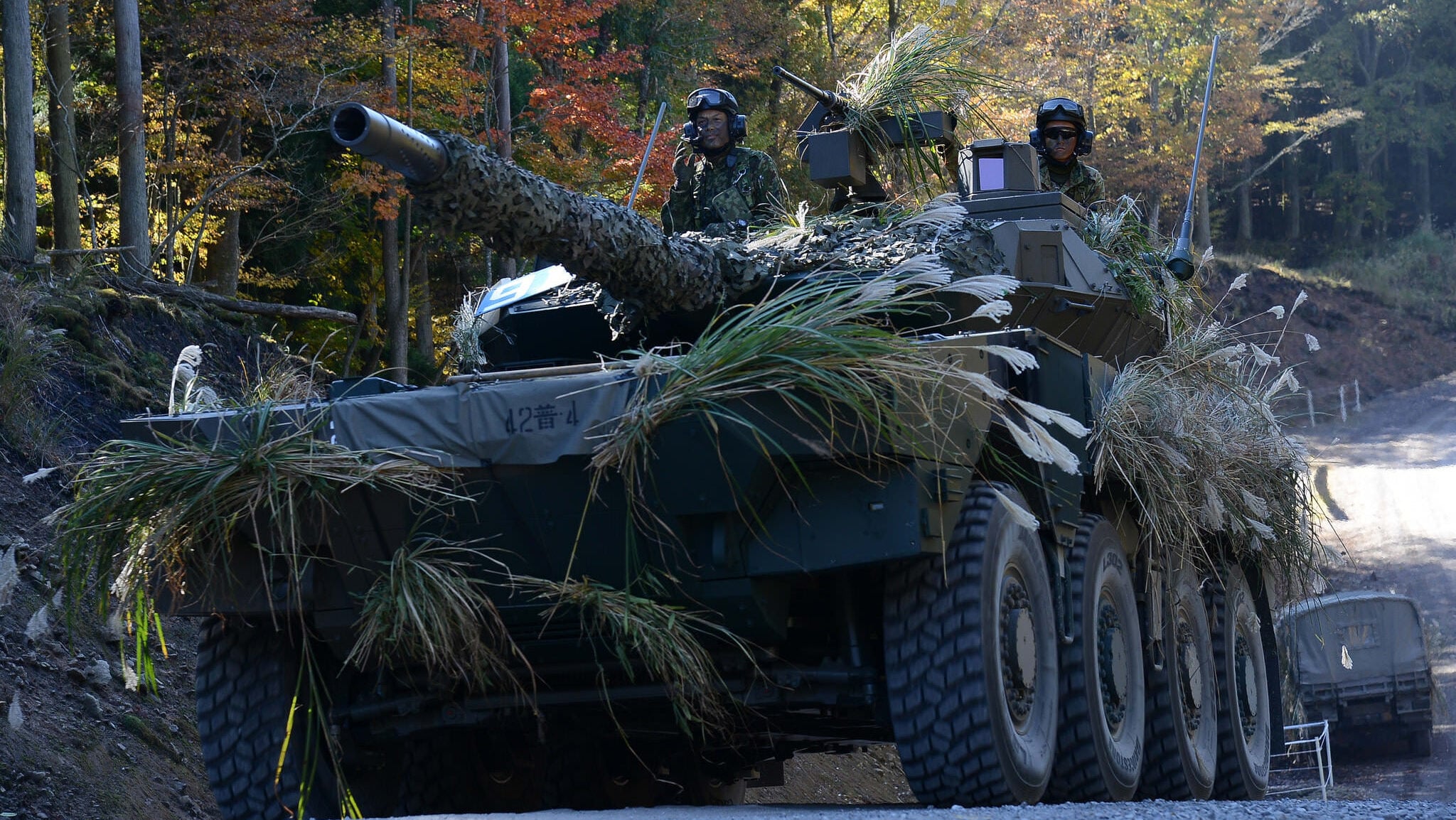
Le Japon redéfinit les limites de ses exportations de défense
Le Japon a pris une mesure importante pour s’éloigner de sa retenue de longue date en matière de ventes d’armes à l’étranger, en assouplissant ses règles d’exportation d’armements afin de permettre le transfert d’équipements de défense létaux à un plus grand nombre de pays partenaires. L’annonce du Secrétariat du Cabinet ouvre la voie à des exportations vers 17 pays ayant signé avec Tokyo des accords de transfert d’équipements et de technologies de défense, dont les États-Unis, le Royaume-Uni, l’Australie et l’Inde.
Ce changement est notable car le Japon limitait auparavant les exportations de défense à cinq catégories de systèmes non létaux ou moins sensibles sur le plan politique : les équipements de contre-mesures antimines, de surveillance, de suivi, de transport et de secours. Dans le cadre mis à jour, des systèmes létaux peuvent désormais être transférés à un groupe défini de partenaires et d’alliés, ce qui marque l’un des changements les plus nets à ce jour dans la façon dont Tokyo positionne son industrie de défense et son rôle en matière de sécurité.
La justification est stratégique, pas seulement commerciale
La Première ministre Sanae Takaichi a présenté la décision comme une réponse à un environnement sécuritaire régional et mondial plus rude. Dans une déclaration publique, elle a fait valoir qu’aucun pays ne peut protéger seul sa paix et sa sécurité et que le soutien aux pays partenaires par le biais de transferts d’équipements de défense peut renforcer leurs capacités et, par ricochet, contribuer à la prévention des conflits ainsi qu’à la sécurité du Japon.
Cette formulation compte. La mesure n’est pas présentée comme un simple ajustement de politique industrielle ni comme une révision étroite des contrôles à l’exportation. Elle est justifiée comme faisant partie d’une conception plus large de la sécurité collective, dans laquelle les liens industriels de défense entre alliés sont considérés comme une extension de la dissuasion.
Le calendrier renforce également cette logique. La modification des règles fait suite à l’annonce, pendant le week-end, que le Japon avait signé des contrats avec l’Australie pour la vente de 11 frégates de classe Mogami améliorées. Cette séquence suggère que Tokyo tente d’aligner sa politique sur la demande croissante des partenaires de sécurité proches pour des systèmes et des technologies fabriqués au Japon.
Ce que les nouvelles règles n’autorisent toujours pas
Le changement est substantiel, mais il n’est pas illimité. Le Japon a indiqué que les transferts d’armes létales vers des pays impliqués dans des conflits en cours restaient interdits, sauf dans ce qu’il a qualifié de circonstances exceptionnelles, par exemple lorsqu’un pays demandant des armes est victime d’une agression armée. Même dans ce cas, les approbations nécessiteraient l’aval des quatre ministres qui composent le noyau décisionnel du Conseil de sécurité nationale du Japon : le Premier ministre, le secrétaire général du Cabinet, le ministre des Affaires étrangères et le ministre de la Défense.
Takaichi a également déclaré que le Japon continuerait de respecter les cadres internationaux de contrôle des exportations et appliquerait des examens plus stricts au cas par cas. Les pays destinataires devront, a-t-elle dit, s’engager à utiliser l’équipement conformément à la Charte des Nations unies, et Tokyo veillera à une gestion adéquate du côté du destinataire.
Ces réserves montrent que le Japon cherche à élargir sa marge de manœuvre sans abandonner les garde-fous politiques qui ont longtemps façonné sa posture de défense d’après-guerre. En pratique, cela signifie que le pays signale une plus grande flexibilité tout en conservant un niveau élevé de contrôle gouvernemental sur les transferts controversés.
Pourquoi cela compte au-delà du Japon
Pour les alliés, cette décision pourrait élargir l’offre d’équipements de défense avancés à un moment où de nombreux pays cherchent à accroître leurs stocks plus rapidement et à réduire leur dépendance à un nombre limité de fournisseurs. Pour le Japon, elle crée une voie plus claire permettant aux partenariats industriels de défense de passer de la coopération en recherche et des ventes ciblées à des transferts d’armements plus conséquents.
L’ambassadeur des États-Unis au Japon, George Glass, a publiquement salué la mesure, affirmant qu’elle contribuerait à la sécurité et à la stabilité de l’Indo-Pacifique et renforcerait la capacité collective des pays travaillant avec l’alliance Japon-États-Unis. Cette réaction reflète la manière dont les partenaires sont susceptibles de voir ce changement : non pas comme un simple ajustement technique des règles d’exportation, mais comme la preuve que le Japon est prêt à jouer un rôle pratique plus large dans la défense régionale.
L’importance intérieure est également considérable. Pendant des années, le débat japonais sur les exportations d’armes a été freiné par la prudence politique et des règles restrictives qui empêchaient souvent les entreprises japonaises de participer pleinement aux opportunités d’approvisionnement des alliés. La dernière décision n’efface pas ces contraintes, mais elle en modifie la base de référence. Tokyo affirme désormais explicitement que les transferts d’équipements de défense peuvent servir des objectifs de sécurité nationale, et pas seulement des intérêts industriels.
Un changement contrôlé mais indéniable
La nouvelle politique laisse en suspens des questions sur le degré d’agressivité avec lequel le Japon utilisera cette autorité, sur les types de systèmes létaux les plus susceptibles d’être approuvés et sur la fréquence à laquelle des cas exceptionnels liés à des conflits passeront l’examen politique. Mais l’orientation stratégique est claire. Le Japon élargit le cercle des pays pouvant recevoir ses équipements de défense, et le fait en réponse à un environnement sécuritaire dégradé, à des attentes d’alliance plus fortes et à une demande croissante de capacités interopérables.
Il s’agit donc de bien plus qu’un simple ajustement de la politique d’exportation. C’est une étape dans la redéfinition progressive du rôle de défense du Japon, avec des implications pour le partage du fardeau entre alliés, la dissuasion dans l’Indo-Pacifique et l’avenir de la base industrielle de défense japonaise elle-même.
Cet article s’appuie sur un reportage de Breaking Defense. Lire l’article original.
Originally published on breakingdefense.com