Le Congrès provoque une collision entre ambition et réalité industrielle
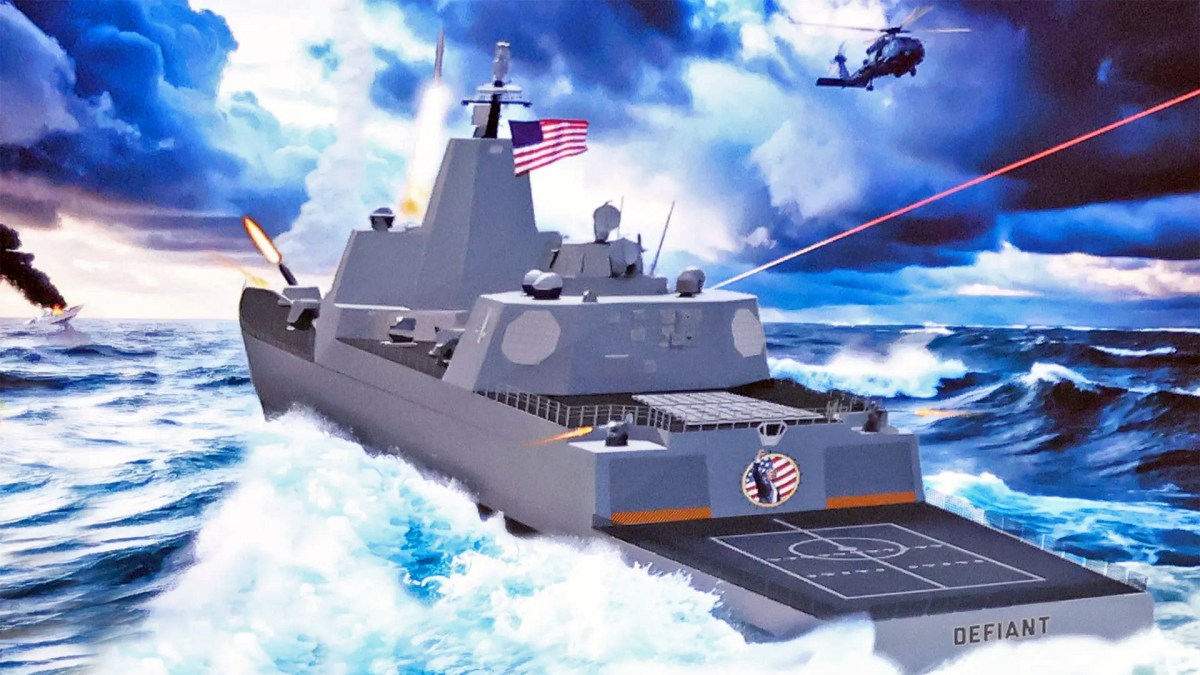
La commission des forces armées de la Chambre exige que la Marine démontre, de manière concrète, que ses cuirassés nucléaires proposés de classe Trump ne viendront pas davantage peser sur une base industrielle américaine de construction navale nucléaire déjà surchargée. Cette initiative ajoute une couche supplémentaire de contrôle à l’une des idées les plus controversées de nouveaux bâtiments de surface de la Marine et reflète une inquiétude plus large à Washington : même si un programme est stratégiquement séduisant sur le papier, il peut rester impossible à exécuter dans les délais sans nuire à des travaux jugés plus prioritaires.
L’action de la commission est intervenue lors de l’examen du projet de loi d’autorisation de la défense nationale pour l’exercice 2027. Un amendement soutenu par la représentante Joe Courtney, du Connecticut, ajoute un texte de rapport centré sur la question de savoir si le programme de cuirassé proposé pourrait aggraver les retards dans la production de porte-avions et de sous-marins. Cette inquiétude est particulièrement vive car les bâtiments de guerre à propulsion nucléaire ne peuvent être construits que dans un nombre limité de chantiers spécialisés, et ces installations sont déjà sous tension.
Un deuxième avertissement pour le plan de la classe Trump
Ce n’est pas le premier obstacle parlementaire pour ce navire. Le rapport indique que les législateurs ont déjà pris des mesures le mois dernier pour empêcher la Marine de commencer la construction du premier bâtiment de la classe Trump tant que le service n’aurait pas montré que les systèmes d’armes clés étaient “suffisamment mûrs”. Le nouvel amendement élargit le défi, de la préparation technique à la faisabilité industrielle.
Pris ensemble, ces deux gestes dessinent les contours du scepticisme du Congrès. L’une des questions est de savoir si les systèmes du navire sont suffisamment prêts. L’autre est de savoir si le pays peut seulement absorber le programme sans aggraver les goulets d’étranglement existants. Ce sont des tests différents, mais ils portent tous deux sur la même question : le cuirassé est-il un programme d’acquisition pragmatique ou une aspiration stratégique qui dépasse les capacités disponibles ?
La plateforme a été désignée sous le nom de BBG(X), pour cuirassé à missiles guidés, puis plus récemment BBGN afin de refléter la décision d’utiliser une propulsion nucléaire. Dans tous les cas, les implications industrielles sont considérables.
Le problème central n’est pas seulement le navire, mais l’endroit où il serait construit
La préoccupation de Courtney, telle qu’exposée dans le texte de la commission, porte sur le calendrier ambitieux proposé pour un cuirassé à propulsion nucléaire et sur la pression qu’il pourrait exercer sur les chantiers navals nucléaires américains et sur la base industrielle maritime plus largement. C’est là le cœur du problème.
Le secteur américain de la construction navale nucléaire n’est pas un système élastique. Il repose sur des chantiers spécialisés, de longues chaînes d’approvisionnement, une main-d’œuvre qualifiée dont la formation prend des années et une coordination complexe entre le gouvernement et l’industrie. Les porte-avions et les sous-marins se disputent déjà ces ressources. Ajouter une autre grande plateforme nucléaire pourrait provoquer des retards en cascade si la base industrielle n’est pas étendue plus vite que la demande n’augmente.
L’amendement lui-même reconnaît les progrès accomplis dans les efforts visant à accroître la capacité industrielle maritime grâce à la coordination entre le Congrès, le ministère de la Défense et l’industrie. Mais reconnaître ces progrès n’équivaut pas à avoir la certitude que la capacité est suffisante. La commission craint explicitement que le nouveau programme de cuirassé ne devienne une nouvelle demande sur la même infrastructure rare.
Pourquoi cela compte au-delà d’une seule classe de navire
L’importance du différend dépasse largement la proposition de classe Trump. Il met en lumière un problème structurel dans les acquisitions de défense américaines : la stratégie repose de plus en plus sur des hypothèses industrielles qui ne tiennent peut-être plus. Les États-Unis peuvent autoriser des programmes plus vite qu’ils ne peuvent reconstruire la capacité des chantiers, la santé des fournisseurs et la profondeur de la main-d’œuvre nécessaires pour les livrer.
Cette lacune est particulièrement dangereuse dans la construction navale nucléaire, car les retards se cumulent. Si un bâtiment prend du retard, la main-d’œuvre, les créneaux de cale sèche, les fournisseurs et les profils de financement liés aux navires suivants peuvent tous être perturbés. Dans un tel environnement, un nouveau programme prestigieux n’existe pas isolément. Il entre dans une file d’attente.
C’est pourquoi les législateurs demandent des preuves, pas de l’optimisme. Ils veulent que la Marine démontre que le cuirassé ne détournera pas les efforts des porte-avions et sous-marins qui sont déjà centraux pour la dissuasion et la posture de la flotte. La question sous-jacente est simple : si les États-Unis ne parviennent pas à construire à temps les navires nucléaires existants, pourquoi le Congrès devrait-il croire qu’il peut ajouter une nouvelle classe sans conséquence ?
Une bataille sur la hiérarchisation des priorités se dessine
La politique du débat est également révélatrice. Les partisans d’un grand nouveau cuirassé peuvent soutenir que les États-Unis ont besoin de plus de capacité, de plus d’options et d’une approche plus audacieuse de la concurrence maritime. Les sceptiques peuvent rétorquer que la capacité ne se décrète pas par la rhétorique et que la construction navale nucléaire devrait rester concentrée sur les plateformes déjà jugées essentielles.
Le texte de la commission suggère que la charge de la preuve repose désormais sur la Marine. Il ne suffit pas de dire que la base industrielle s’adaptera. Le service doit montrer comment, à quel calendrier, et avec quel effet sur les retards de construction existants. Cette exigence reflète une posture du Congrès plus disciplinée que celle qui accueille souvent les concepts de défense très visibles à leurs débuts.
Elle laisse aussi entrevoir une autre réalité : les objectifs de flotte de la Marine sont de plus en plus indissociables des marchés du travail, du rendement des chantiers et de la maturité industrielle. Le débat sur la structure de force ne porte plus seulement sur l’apparence que devrait avoir la flotte. Il porte sur ce que la base industrielle peut soutenir.
La suite
L’effet immédiat de l’amendement est procédural, mais son impact stratégique pourrait être plus important. Si la Marine ne peut pas fournir de preuves convaincantes que l’achat de la classe Trump n’aggravera pas les retards ailleurs, la résistance du Congrès est susceptible de se durcir. Si elle y parvient, le service devra encore relever le défi distinct de prouver que les systèmes d’armes clés de la plateforme sont suffisamment mûrs pour justifier d’aller de l’avant.
Dans tous les cas, le programme est entré dans une phase de contrôle plus exigeante. Les législateurs ne le considèrent plus comme un concept à admirer à distance. Ils vérifient s’il résiste au contact avec les réalités des chantiers navals nucléaires américains.
C’est le bon point de pression. Dans la construction navale moderne, la contrainte décisive n’est souvent pas l’imagination, mais la capacité industrielle. Le Congrès signale que tout nouveau navire de guerre nucléaire, aussi ambitieux soit-il, devra d’abord franchir cet obstacle.
Cet article est basé sur un reportage de twz.com. Lire l’article original.
Originally published on twz.com