Internet at the Speed of Light — Without Fiber
Taara, a technology venture spun out of Alphabet's X moonshot lab, is bringing fiber-optic internet speeds to locations where laying physical fiber is impractical or prohibitively expensive. Using free-space optical communication — essentially invisible laser beams transmitted through the air — Taara's system delivers multi-gigabit connectivity across distances of up to 20 kilometers without any physical cable infrastructure.
The technology represents a practical solution to one of the most persistent challenges in global connectivity: the last-mile problem. While long-haul fiber networks span continents and undersea cables connect landmasses, connecting individual buildings, neighborhoods, and remote communities to these networks often requires expensive, time-consuming installation of local fiber infrastructure.
How the Technology Works
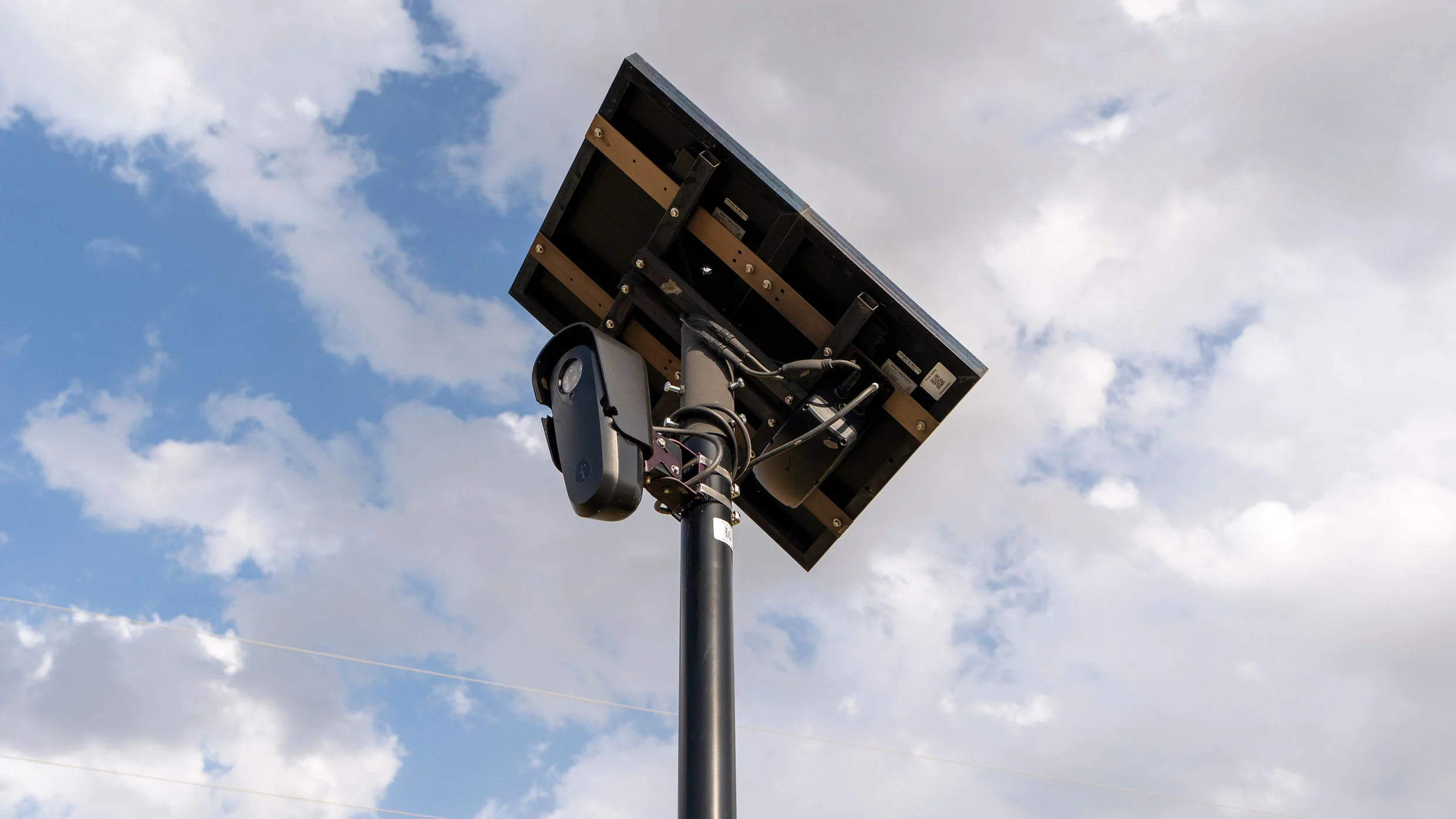
Taara's system uses narrow, focused beams of light to transmit data between two terminal units mounted on rooftops, towers, or other elevated structures. The terminals automatically align their beams and maintain connection through advanced tracking systems that compensate for building sway, wind, and other environmental factors.
The underlying technology is similar to fiber optic communication but uses the atmosphere rather than glass fiber as the transmission medium. Each terminal contains lasers, detectors, and sophisticated optics that can maintain a data-carrying light beam across substantial distances. The beams are narrow enough to be invisible and eye-safe at the power levels used for commercial deployment.
Overcoming Atmospheric Challenges
The primary technical challenge for free-space optical links is atmospheric interference. Rain, fog, dust, and atmospheric turbulence can scatter and absorb the laser beam, degrading signal quality or interrupting connectivity. Taara has developed sophisticated techniques to mitigate these effects, including adaptive optics that continuously adjust the beam path and error correction algorithms that maintain data integrity through varying atmospheric conditions.
The system can maintain connectivity through light rain and moderate atmospheric disturbance, though heavy fog or severe weather events can still cause temporary disruptions. Taara addresses this through network designs that include redundant paths and automatic failover to maintain service reliability.

Deployment Progress
Taara has been deploying its technology in several markets, with a focus on regions where traditional fiber deployment faces significant barriers. Sub-Saharan Africa has been an important early market, where rapid urbanization and growing internet demand collide with the high cost and slow pace of underground fiber installation.
The technology has also found applications in bridging natural obstacles like rivers, valleys, and protected areas where digging trenches for fiber is either impossible or environmentally unacceptable. A single Taara link can replace a fiber route that would otherwise require miles of cable and months of construction.
Economics of Laser Connectivity
The economic case for free-space optical links is compelling in many scenarios. Deploying a Taara link between two points can be completed in hours rather than the weeks or months required for fiber installation. The equipment cost, while significant, is often a fraction of the civil engineering costs associated with underground or aerial fiber deployment.
For telecom operators and internet service providers, Taara's technology offers a way to rapidly extend high-capacity networks without the capital expenditure and construction risk associated with fiber builds. This is particularly valuable in competitive markets where being first to offer high-speed connectivity can capture market share.

Limitations and Complements
Free-space optical links are not a universal replacement for fiber. They require line of sight between terminals, which limits deployment in urban canyons or heavily wooded areas. They are also more susceptible to weather-related disruptions than buried fiber, though modern systems have significantly improved reliability.
The technology is best understood as a complement to fiber rather than a competitor. In a well-designed network, free-space optical links can extend fiber capacity to areas where physical cable deployment is impractical, while fiber provides the backbone connectivity that the laser links feed into.
Future Potential
As Taara's technology matures and deployment scales, the cost and performance of free-space optical links are expected to continue improving. Higher-power lasers, better adaptive optics, and improved atmospheric compensation techniques could extend range, increase capacity, and improve weather resilience. The technology could play a significant role in connecting the billions of people who still lack access to high-speed internet.
This article is based on reporting by IEEE Spectrum. Read the original article.

Originally published on spectrum.ieee.org