Un goulot d’étranglement de longue date en robotique souple
La robotique souple a réalisé des progrès impressionnants dans les matériaux et le mouvement, mais un problème central est resté obstinément sans solution : comment alimenter des machines flexibles sans les enchaîner à des systèmes de pompage rigides et surdimensionnés. Des chercheurs de l’Université de Bristol disent avoir construit une réponse possible sous la forme d’une pompe souple miniature appelée Liquid Metal Magnetohydrodynamic Actuator, ou pompe LIMA.
L’appareil est minuscule, pèse environ 0,2 gramme et est décrit dans le texte source fourni comme ayant à peu près la taille d’un pois. Malgré cette échelle, il peut générer une pression hydraulique suffisante pour faire fonctionner des systèmes robotiques souples. Si cette performance se confirme de manière fiable au-delà des démonstrations, elle pourrait lever l’une des contradictions d’ingénierie les plus importantes du domaine : des corps souples qui dépendent encore d’une infrastructure dure et lourde.
Pourquoi les pompes ont été un tel problème
Les robots souples sont conçus pour se plier, s’étirer et se déformer d’une manière plus proche des organismes vivants que des machines conventionnelles. Cela les rend attrayants pour les dispositifs d’assistance portables, les implants médicaux, les systèmes haptiques, les outils d’inspection miniaturisés et les applications de recherche et sauvetage où l’adaptabilité compte. Mais la plupart de ces robots se déplacent encore grâce à une action hydraulique ou pneumatique, ce qui signifie qu’un fluide doit être poussé à travers des muscles artificiels et des canaux flexibles.
Le problème est que les pompes qui assurent ce travail sont généralement volumineuses, rigides ou les deux. Dans de nombreux cas, le système d’alimentation pèse plus que le robot lui-même ou prend plus de place que lui. Cela oblige les conceptions à rester reliées à des équipements fixes par des tubes et des câbles, ce qui limite fortement la portabilité et le déploiement dans le monde réel. Il en résulte un décalage entre ce que promettent les robots souples et ce qu’ils peuvent réellement accomplir hors du laboratoire.

Ce qui distingue la pompe LIMA
La solution de l’équipe de Bristol vise directement ce décalage. Le texte source décrit la pompe LIMA comme une pompe souple miniature destinée à remplacer les compresseurs et systèmes de pompage rigides qui limitent aujourd’hui les technologies de robotique souple. Les tentatives de miniaturisation existantes ont souvent impliqué des compromis, comme des pièces rigides, des tensions de fonctionnement élevées, une fabrication complexe ou des performances de pompage plus faibles. Le nouveau design est présenté comme un moyen de contourner ces concessions.
L’importance ne tient pas seulement à la taille de la pompe. Elle tient au fait que le composant est conçu pour être intégré dans des systèmes souples sans compromettre leur flexibilité. Autrement dit, la pompe n’est pas simplement du matériel plus petit fixé à un robot souple ; elle s’inscrit mieux dans la logique de conception même de la robotique souple.
Les premières démonstrations ouvrent la voie à des usages plus larges
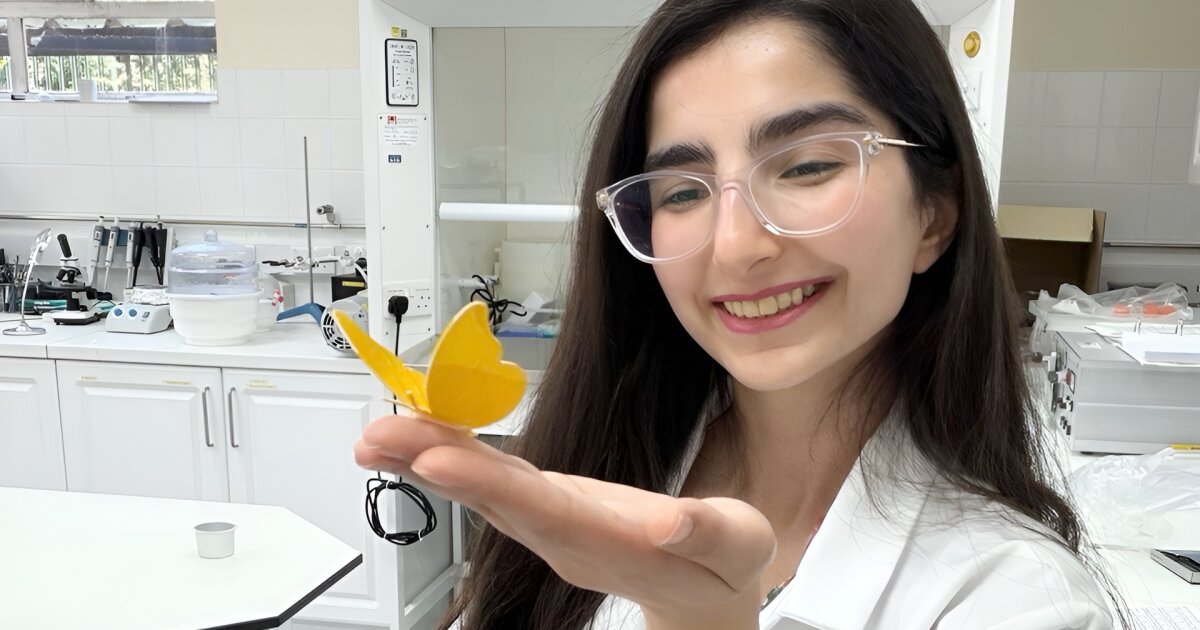
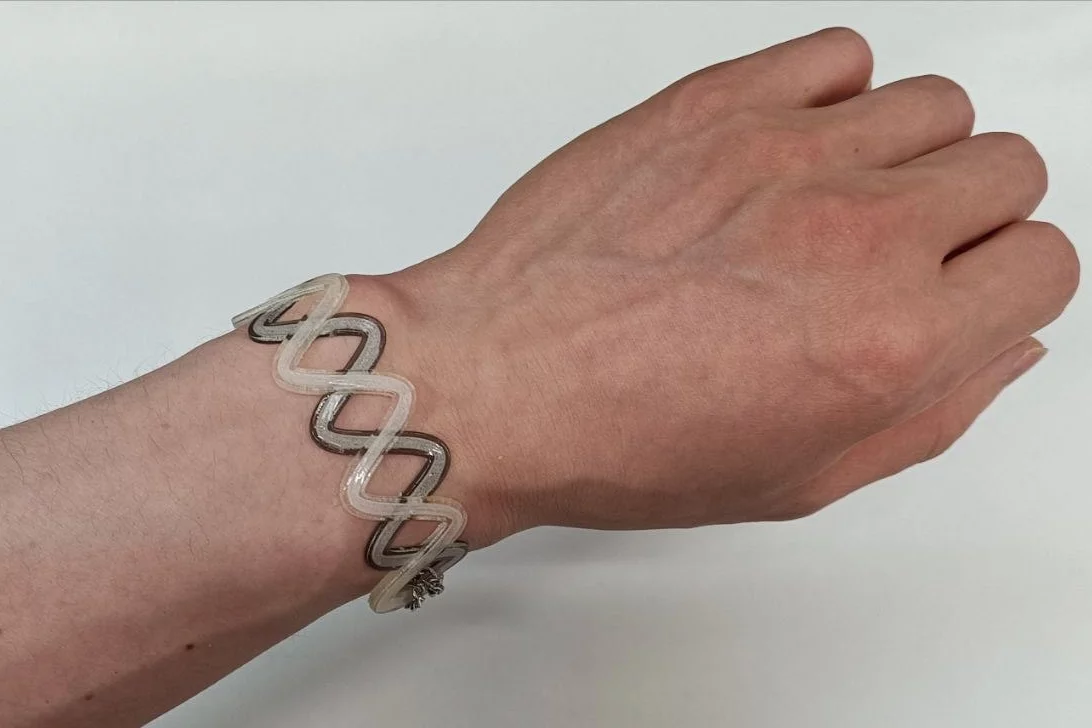
Le texte source mentionne deux exemples utilisant la nouvelle pompe : un papillon robotique souple qui bat des ailes et un bracelet qui change de couleur. Ces démonstrations suggèrent que la pompe peut prendre en charge à la fois le mouvement et d’autres changements fonctionnels pilotés par des fluides dans des dispositifs compacts. Même si elles ne prouvent pas encore une maturité commerciale à grande échelle, elles montrent l’éventail des applications que l’actionnement souple peut atteindre lorsque le système d’alimentation rétrécit suffisamment pour voyager avec l’appareil.
Cela compte, car les usages futurs les plus convaincants des robots souples dépendent de leur déconnexion. Un dispositif souple portable qui a encore besoin d’un gros compresseur externe est difficile à considérer comme un produit pratique. Un robot d’inspection miniaturisé fixé à une structure de support volumineuse perd une grande partie de sa valeur de navigation. Les systèmes médicaux ou d’assistance souples bénéficient particulièrement lorsque l’actionnement, l’alimentation et le format se rapprochent de l’échelle du corps.
L’importance stratégique des systèmes souples sans attaches
Si la robotique souple doit passer des laboratoires spécialisés à un déploiement quotidien, la technologie de pompage est l’une des couches habilitantes qui doit progresser. La science des matériaux seule ne suffit pas. Un robot peut avoir une excellente compliance et un mouvement biomimétique, mais si le matériel de support est encombrant ou immobile, le système reste contraint.
La pompe LIMA s’inscrit dans ce point de transition. En réduisant le poids et l’encombrement tout en conservant un débit hydraulique utile, elle pourrait aider le domaine à passer de prototypes centrés sur la démonstration à des machines plus autonomes. Le texte source présente explicitement l’écart actuel comme une question de portabilité et d’utilisabilité, et ce cadrage est solidement fondé. Les robots du monde réel ont besoin d’actionneurs qui n’annulent pas les avantages des corps qu’ils animent.
Et ensuite
Le matériel source disponible n’établit pas toutes les mesures de performance ni le chemin complet vers la commercialisation. Ce qu’il permet d’affirmer suffit néanmoins à retenir l’attention : les chercheurs ont construit une très petite pompe souple, et elle cible l’un des principaux verrous d’ingénierie du domaine. Dans les technologies émergentes, ce type de composant habilitant peut compter davantage qu’une démonstration robotique spectaculaire, car il change ce que les conceptions futures rendront possible.
La robotique souple a souvent été décrite comme ayant besoin d’une sorte de système cardiovasculaire pour correspondre à son anatomie flexible. La pompe de l’équipe de Bristol n’est pas la réponse finale à ce défi. Mais elle pourrait être l’un des signes les plus clairs à ce jour que le domaine apprend à rendre sa machinerie interne aussi souple, compacte et adaptable que les robots qu’il veut construire.
Cet article est basé sur un reportage de New Atlas. Lire l’article original.
Originally published on newatlas.com