Merlin makes a bid for autonomy in heavy cargo aviation
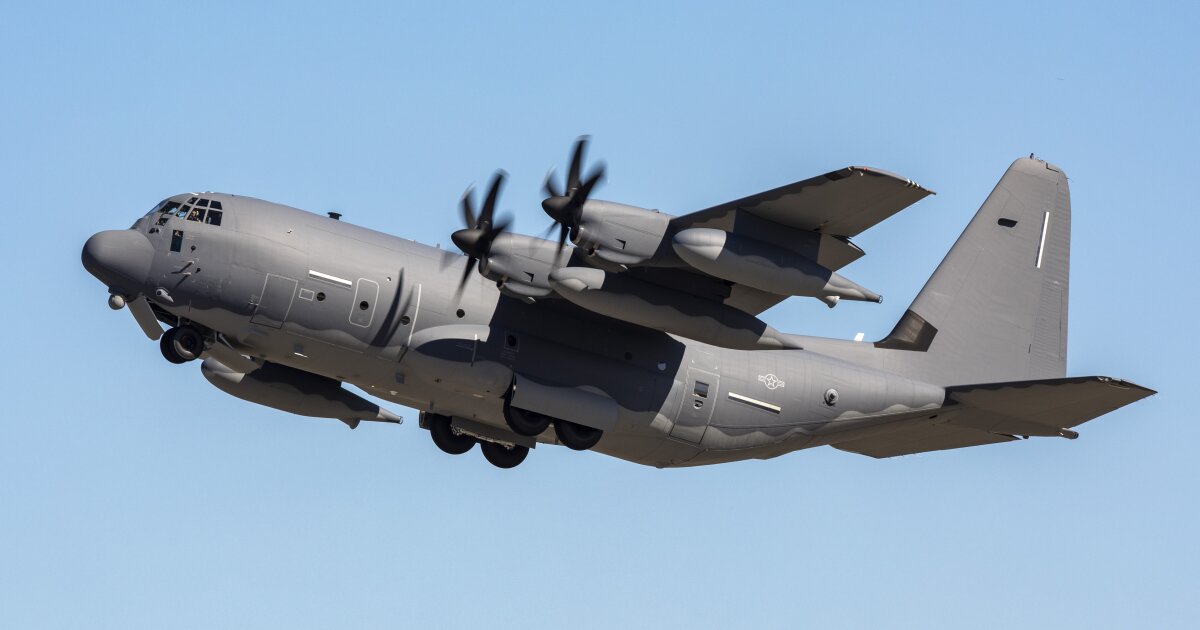
Merlin, a Boston-based company founded in 2018, has unveiled an AI-powered flight system aimed at a much larger class of aircraft than most autonomous aviation efforts have tackled so far. The company’s Merlin Pilot for Commercial Cargo is designed for large cargo platforms, including aircraft in the Lockheed Martin Hercules class, and is intended to move the market closer to pilot-free freight operations.
The announcement matters because autonomous flight is no longer defined only by whether software can keep an aircraft in the air. The harder problem is operating safely inside real airspace, where aircraft must interact with traffic control, other aircraft, terrain, weather, and the practical routines of commercial aviation. Merlin is positioning its product as a system built for that environment rather than for a tightly constrained demonstration.
That is a notable shift in emphasis. In recent years, autonomous aircraft programs have shown progress on smaller planes, including conversions of aircraft such as the Cessna 150 and Cessna 208B Grand Caravan. Merlin argues that the real commercial opening sits further up the size ladder, where large cargo aircraft could offer far greater operational leverage if autonomy can be certified and deployed at scale.
Why cargo is the logical first market
The company’s timing is tied to two pressures described in the source material. The first is expected demand for large cargo aircraft. Merlin points to Boeing projections calling for 2,800 airframe builds and conversions over the next 20 years. The second is a pilot shortage that raises a practical question for operators: if fleet demand grows, where will enough qualified crews come from?
That crew constraint affects passenger airlines as well, but cargo is widely viewed as the more realistic proving ground for autonomy. Public acceptance of pilotless passenger aircraft remains distant. Freight operations face a different political and psychological threshold, making them the more plausible first destination for increasingly autonomous systems.
Merlin’s pitch is therefore less about removing humans from cockpits overnight than about entering the sector where economics, labor pressure, and public tolerance align more closely. If autonomy is going to break through in conventional fixed-wing aviation, cargo networks are an obvious place to start.

What Merlin says the system can do
According to the supplied source text, Merlin Pilot is part of the company’s new Condor family for large, multi-crew aircraft. It is described as aircraft-agnostic and built for retrofit, a detail that matters commercially because it suggests operators may not need entirely new aircraft designs to adopt the technology. Retrofitting existing airframes would lower the barrier to testing and, eventually, deployment.
The system combines several sensing and navigation inputs, including GPS, inertial guidance, radar and radio altimeters, and environmental sensors. Merlin says the software can control the aircraft autonomously while avoiding other aircraft and obstacles. That claim goes to the center of the certification challenge: autonomy in complex airspace depends on reliable perception, navigation, and decision-making, not just automated control laws.
One of the more striking elements is the company’s use of a natural language processing model trained to understand instructions and questions from air traffic control and to respond like a human pilot. In operational terms, that aims to address one of the least glamorous but most essential parts of aviation: radio communication. A system that can fly the aircraft but cannot interact clearly with controllers would still be incomplete for real-world use.
Merlin frames that radio layer as part of safety and integration, not merely convenience. In shared airspace, phraseology, timing, and clarity matter. The company is effectively arguing that autonomy for large aircraft requires the machine to become a competent participant in the communication environment around it.
Testing history gives the announcement more weight
The company is not presenting the system as a paper concept. Merlin says it has developed and tested its technology across five distinct aircraft types over several years of flight trials. It also says it has conducted real-world tests on commercial flight routes in Alaska and New Zealand.
Those details do not prove that pilot-free cargo operations are imminent, but they do indicate a broader testing program than a single showcase flight. The reference to commercial routes is also important because it suggests the company has been working in operating environments closer to practical service conditions than laboratory-style demonstrations.
Even so, the gap between demonstrated capability and routine commercial autonomy remains large. The source material describes an ambition to “eventually” bring pilot-free flight to large cargo aircraft, which leaves open the central issues of certification timelines, operational approvals, airline adoption, and how regulators will treat autonomy in complex traffic systems.
What this means for the industry
Merlin’s announcement reflects a wider transition in autonomy from experimental novelty to industrial toolmaking. The company is not selling a futuristic aircraft silhouette; it is selling a retrofit system for existing fleets. That approach suggests the near-term market may favor incremental insertion into established logistics networks rather than dramatic platform replacement.
If that model works, the first gains may come from cargo operators looking to expand capacity without scaling crew requirements at the same rate. Over time, the implications would extend beyond staffing. An autonomous system that can integrate with air traffic control, operate across aircraft types, and fit legacy fleets could alter cost structures, route planning, and aircraft utilization.
The biggest unknown is still trust. The technical ingredients described by Merlin point to a serious attempt at real-world integration, but aviation changes slowly for good reason. Reliability, safety assurance, and regulatory acceptance will determine whether this becomes a transformative logistics technology or remains a promising testbed.
For now, the significance of the announcement is straightforward: the autonomy race in aviation is moving beyond small aircraft and into the heavy-lift cargo market where the commercial stakes are much higher.
This article is based on reporting by New Atlas. Read the original article.
Originally published on newatlas.com