Une nouvelle frontière dans la défense par l'IA
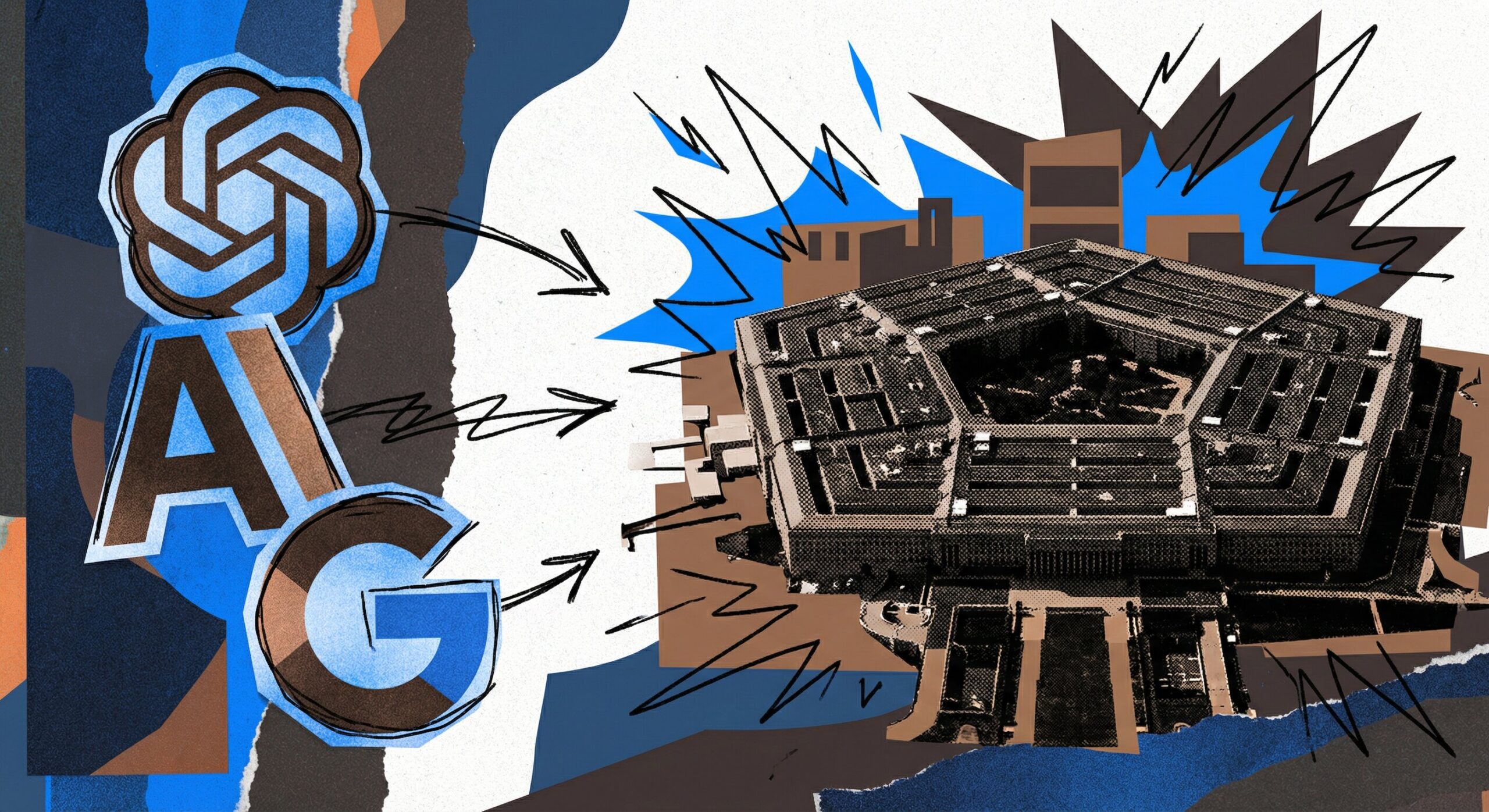
Le Département de la Défense américain développe des plans pour permettre aux entreprises commerciales d'intelligence artificielle d'entraîner leurs modèles sur des données militaires classifiées dans des environnements sécurisés spécialement conçus. Jusqu'à présent, les entreprises d'IA ayant des contrats avec le Pentagone pouvaient accéder à des informations classifiées pour faire des déductions avec des modèles existants — mais elles ne pouvaient pas utiliser ces données comme matériel d'entraînement pour améliorer et adapter les modèles. Cette distinction est sur le point de changer.
Le mouvement représente une escalade significative de l'intégration entre les capacités commerciales d'IA et le domaine classifié de la sécurité nationale américaine. S'il est mis en œuvre, cela permettrait aux systèmes d'IA déployés par l'armée d'être personnalisés sur des données opérationnelles réelles, produisant des modèles spécifiquement adaptés aux tâches d'analyse du renseignement, de logistique, de planification et de ciblage que le Pentagone effectue réellement.
Pourquoi l'entraînement sur des données classifiées est important
La différence entre utiliser un modèle d'IA polyvalent sur des entrées classifiées et entraîner un modèle sur des données classifiées est substantielle. Un modèle polyvalent entraîné sur des données publiques d'Internet peut fonctionner adéquatement sur de nombreuses tâches mais manquera du vocabulaire spécialisé, de la compréhension contextuelle et du raisonnement spécifique au domaine qui provient de l'entraînement sur les types de données réels qu'un système rencontrera lors du déploiement.
Un modèle entraîné sur des rapports militaires classifiés, des analyses d'imagerie satellite, des renseignements d'origine électromagnétique et des données logistiques développerait des capacités spécifiquement adaptées à ces domaines. Il comprendrait la structure des formats de rapport militaire, le vocabulaire des évaluations des menaces et les modèles des produits de renseignement — tout ce qui est invisible aux modèles entraînés exclusivement sur des données publiques.
Ce type d'ajustement fin spécifique au domaine est une pratique standard dans le déploiement commercial d'IA. Un modèle ajusté sur des dossiers médicaux fonctionne mieux sur les tâches cliniques qu'un modèle polyvalent. Le Pentagone cherche le même avantage dans le domaine de la sécurité nationale.
L'approche par enclave sécurisée
Le mécanisme proposé implique la création d'environnements informatiques physiquement sécurisés — souvent appelés enclaves — où les données classifiées peuvent être apportées à l'infrastructure d'entraînement d'IA au lieu du contraire. Les ingénieurs des entreprises d'IA et leurs systèmes opèreraient au sein de ces installations sous des conditions de surveillance qui satisfont aux exigences de classification.
C'est techniquement et logistiquement complexe. L'entraînement de grands modèles d'IA nécessite une infrastructure informatique massive, et la réplication de cette infrastructure aux niveaux de sécurité requis pour traiter les données ultrasecret implique à la fois l'acquisition de matériel et l'établissement d'installations qui répondent à des normes physiques et de cybersécurité strictes.
Entreprises d'IA déjà déployées par le Pentagone
Le contexte de cette annonce est une expansion plus large des partenariats d'IA entre le Pentagone et les grands développeurs commerciaux d'IA. Le responsable principal de la technologie du Pentagone, Emil Michael, a confirmé cette semaine que les systèmes OpenAI ont déjà été déployés au sein du Département au cours des dernières semaines, avec Google Gemini attendu peu de temps après.
Nous avons déjà déployé OpenAI au cours des dernières semaines, et nous allons déployer les autres ici, en commençant par Gemini, a déclaré Michael, confirmant un rythme d'intégration d'IA qui aurait été difficile à imaginer il y a quelques années. Le passage de programmes pilotes prudents au déploiement opérationnel signale que le Pentagone considère les grands modèles de langage commerciaux comme des outils véritablement utiles plutôt que comme des curiosités expérimentales.
Le plan pour permettre l'entraînement sur des données classifiées s'appuie sur cette base de déploiement. Les entreprises dont les modèles fonctionnent déjà dans les systèmes DoD sont des candidats naturels pour développer des versions plus spécialisées entraînées sur les données que ces systèmes rencontrent.
Questions de politique et de surveillance
Le plan soulève des questions de surveillance importantes que le Département devra aborder. Qui contrôle les données d'entraînement et les modèles résultants? Que se passe-t-il pour les systèmes d'IA après l'entraînement classifié — restent-ils dans les systèmes gouvernementaux, ou les éléments de ce que le modèle a appris peuvent-ils migrer vers des versions commerciales? Comment les ingénieurs des entreprises d'IA sont-ils vérifiés et surveillés dans les installations sécurisées?
Le Congrès, qui a été de plus en plus attentif au développement d'IA et à la politique technologique de la sécurité nationale, examinera probablement l'initiative de près. La combinaison de l'IA commerciale et des données de sécurité nationale classifiées est un territoire sensible qui soulève des préoccupations concernant la sécurité des données, l'accès corporatif aux informations gouvernementales et les structures de responsabilité régissant les systèmes d'IA militaires.
Le fait que le Pentagone avance dans la planification signale la confiance que ces problèmes peuvent être gérés, et que les avantages opérationnels de l'IA adaptée au domaine sont jugés suffisamment convaincants pour justifier l'effort de construction de l'infrastructure nécessaire et du cadre de surveillance.
Cet article est basé sur les rapports de The Decoder. Lisez l'article original.
Originally published on the-decoder.com