A Billion-Dollar Wind-Down
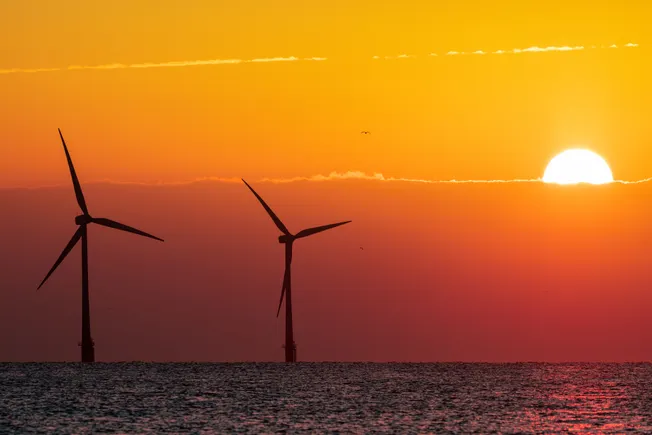
The Trump administration has put a price on its opposition to offshore wind energy: roughly $928 million. That is the figure the administration is reportedly offering TotalEnergies to surrender the Carolina Long Bay and Attentive Energy offshore wind leases, which the French energy giant purchased for a combined $955 million in 2022 during a period of aggressive federal offshore wind expansion under the Biden administration.
The offer, first reported by The New York Times, represents a near-full buyout of TotalEnergies' lease acquisition cost and would effectively compensate the company for walking away from projects that were years into development. It also establishes a significant precedent for how the administration may handle other offshore wind leases it considers incompatible with its energy policy objectives.
The Political Context
The Trump administration entered office with an explicit mandate to reverse Biden-era offshore wind policy, which had set ambitious targets for gigawatts of offshore generation capacity along the Atlantic and Gulf coasts. Executive orders paused new lease sales, suspended environmental reviews, and directed agencies to scrutinize existing leases for legal vulnerabilities.
Industry observers had expected the administration to attempt to cancel leases outright — a legally fraught approach given the contractual obligations involved. The buyout model represents a more pragmatic path: compensate developers to exit voluntarily rather than invite protracted litigation over forced cancellations.

TotalEnergies' Calculus
For TotalEnergies, the situation is complex. The company paid $955 million for the leases and has spent additional capital on development activities since 2022. A $928 million buyout represents a modest loss on the lease acquisition alone, before accounting for development costs sunk into the projects.
On the other hand, the projects face a deeply hostile federal regulatory environment with no near-term prospect of improvement. The broader U.S. offshore wind industry has been under severe financial strain even independent of federal policy. Several major projects have been cancelled or delayed due to rising construction costs, supply chain constraints, and interest rate headwinds that materialized before the current administration took office.
Industry Implications
The offshore wind industry is watching the TotalEnergies situation closely because it will shape how the administration handles other lease holders. Several major developers — including Equinor, BP, and Orsted — hold Atlantic offshore wind leases that the administration could theoretically target under the same approach.
If the buyout model becomes standard practice, it transforms the offshore wind lease question from a legal battle into a financial negotiation. Developers with deeper pockets and longer investment horizons may hold out; those facing shareholder pressure to exit underperforming assets may find the certainty of a federal buyout attractive compared to years of uncertain development prospects.
What Fills the Gap
Energy analysts note that offshore wind cancellations will not close the generation gap that grid operators are projecting as data center demand accelerates. The administration has framed offshore wind specifically — rather than renewables broadly — as an aesthetic, economic, and national security concern, arguing that turbines pose radar interference risks and impose unacceptable costs on ratepayers. The question of what replaces that capacity is reshaping electricity markets and utility planning assumptions across the country.
This article is based on reporting by Utility Dive. Read the original article.
Originally published on utilitydive.com




