The Port Diesel Problem
America's ports are among the largest sources of diesel emissions in the country's transportation sector. The diesel-powered terminal trucks — also called yard spotters or hostlers — that move shipping containers between stacks and loading docks run constantly, often 24 hours a day, burning diesel fuel in environments where workers breathe the resulting exhaust. The communities surrounding major ports, which in the US are disproportionately low-income and communities of color, bear the health consequences of that pollution.
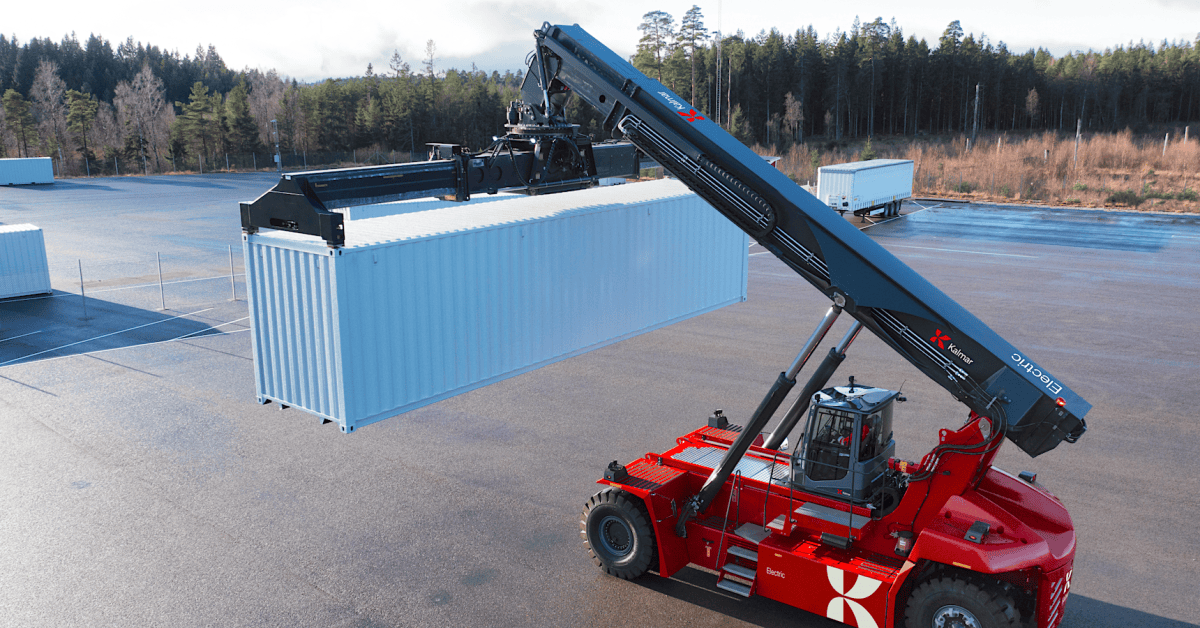
Trova Motor's E-Spotter is a purpose-built electric terminal truck designed to eliminate those emissions at the source. The vehicle represents the latest entry in a growing field of electric terminal vehicles that are beginning to achieve the range, duty cycle performance, and total cost of ownership that port operators require to make the switch from diesel economically viable.
The E-Spotter's Specifications
The E-Spotter is built around a large-format battery pack sized specifically for the demanding duty cycles of port and distribution center operations. Terminal trucks do not cover long distances — they typically operate within a defined yard area — but they run nearly continuously, coupling and uncoupling trailers and containers dozens to hundreds of times per shift. The critical performance metric is battery capacity sufficient to handle a full shift without mid-operation recharging.
Trova is quoting the E-Spotter at a usable battery capacity supporting up to 10 hours of continuous operation under typical port duty cycles, with opportunity charging between shifts using DC fast charging infrastructure. The vehicle uses a fifth-wheel coupling system compatible with standard shipping containers and trailers, making it a direct drop-in replacement for existing diesel spotters without facility modifications.
The powertrain is designed for the high-torque, low-speed loads that terminal operations demand. Electric motors deliver maximum torque from zero RPM, and the regenerative braking from frequent stops in a yard environment can partially recharge the battery, improving overall energy efficiency.

Economics and the TCO Argument
The transition from diesel to electric terminal trucks has historically been slowed by higher upfront costs. As the market has matured and battery costs have declined, the total cost of ownership argument has shifted toward electric alternatives in high-utilization applications. Terminal trucks are almost uniquely favorable for the TCO calculation: they run continuously, maximizing fuel savings; they operate within a defined geographic area, making centralized charging straightforward; and they are maintained by dedicated fleets with skilled technicians. Trova projects E-Spotter total cost of ownership below equivalent diesel trucks over a 7-year ownership period at current electricity rates in most US markets.
The Regulatory Push
The shift to electric terminal equipment is being accelerated by regulatory action. California's Advanced Clean Fleets regulation requires all new yard trucks used at ports and distribution centers in the state to be zero-emission, a mandate that has already driven significant adoption at California's major ports. Similar regulations are being considered in other states, and the EPA's new heavy-duty vehicle emissions standards create long-term pressure on diesel equipment.
Several major port operators and logistics companies have made public commitments to zero-emission yard operations by 2030, creating procurement demand that is fueling investment in electric terminal equipment. Trova's E-Spotter enters a market with strong regulatory and commercial tailwinds, facing competitors including Orange EV, BYD's commercial vehicle division, and several traditional terminal truck manufacturers developing electric variants of existing diesel platforms. The technology to build a capable electric terminal truck is clearly available; the challenge now is execution at commercial scale.
This article is based on reporting by Electrek. Read the original article.
Originally published on electrek.co