A new energy-compute model is targeting the edge of the grid
Span, the smart electrical panel company, says it is partnering with Nvidia and other companies on a project called XFRA, a distributed compute network that would place high-powered nodes at homes and small businesses. The pitch is striking in both scale and ambition: use spare electrical capacity behind the meter to run data center workloads, then coordinate those nodes through intelligent electrical infrastructure.
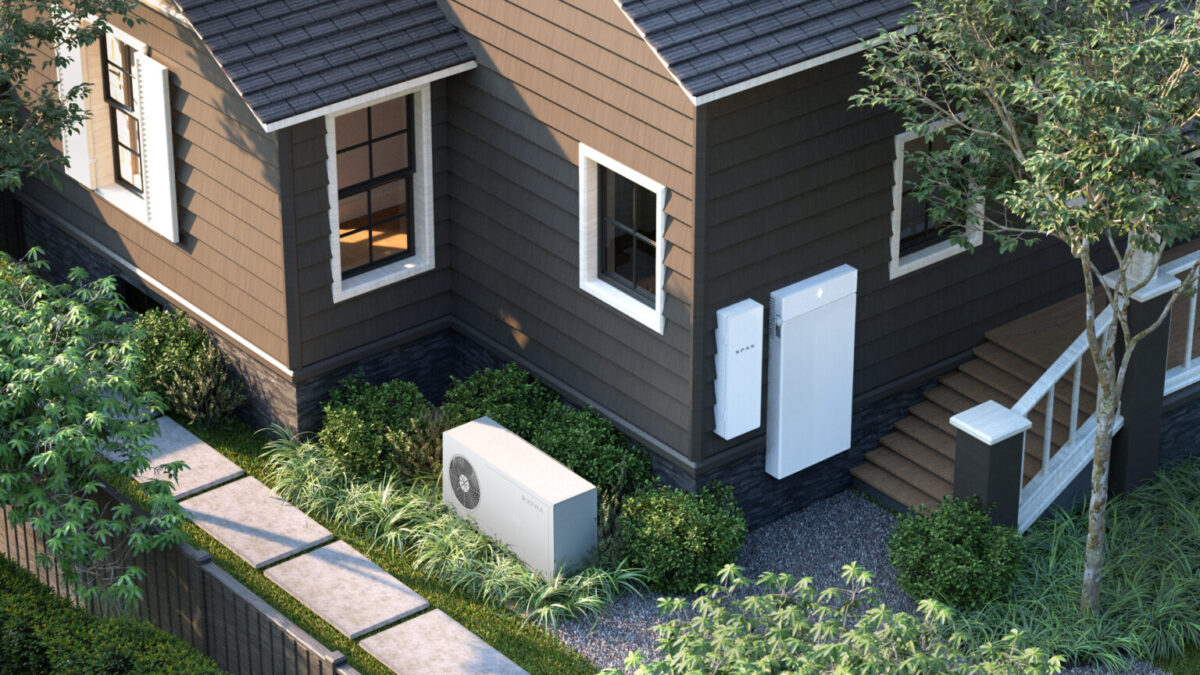
According to the supplied source text, each XFRA node includes Dell PowerEdge servers equipped with 16 Nvidia RTX Pro 6000 Blackwell GPUs, four AMD EPYC CPUs and 3 terabytes of RAM, connected through a 24-port gigabit switch. Those systems would be tied into a customer's building through a Span smart service panel that monitors building electricity use and manages the compute hardware as an always-on load. Span says the broader system could also connect with batteries and optional solar generation.
This is an unusually direct attempt to merge two surging markets that are often discussed separately: electrified homes and AI infrastructure. Data center growth has intensified concern about power demand, transmission constraints and where new computing load should live. Meanwhile, smart home energy systems have largely been marketed around resilience, electrification and solar optimization. XFRA proposes a third use case. Instead of homes only consuming and managing energy, they become micro-sites for distributed computing.
Why the idea is attracting attention
The project arrives at a moment when AI demand is colliding with infrastructure bottlenecks. Centralized data centers require large amounts of power, land, cooling and network capacity, and they often move slowly through interconnection and permitting processes. A distributed model suggests a different path: aggregate smaller pockets of existing electrical capacity across many sites rather than waiting for single massive facilities to come online.
In theory, that approach could create several advantages. It could place compute closer to loads and communities, make use of underutilized electrical headroom and potentially integrate with residential batteries and solar assets. Span has also framed the concept as a way to lower electric bills, though the candidate material provided here does not quantify those savings or explain the exact customer economics. That missing detail is important. The commercial viability of the model will depend not just on technical orchestration, but on whether homeowners, builders and operators each have a clear and durable financial incentive.
Homebuilders are part of the concept as well. The source text says Span is developing XFRA in partnership with Nvidia and homebuilders including PulteGroup. That suggests the company is thinking beyond retrofits and toward new-build communities designed from the outset with smart panels, storage and compute integration. If so, the effort is as much about real estate and electrical design as it is about AI hardware.

The technical promise comes with major unanswered questions
What makes XFRA notable also makes it difficult. Residential and small-business environments are not conventional data center settings. They vary in electrical demand, thermal conditions, service reliability, maintenance access and customer tolerance for on-site hardware. Managing always-on compute as a building load is conceptually elegant, but success depends on how well the control systems respond to real-world fluctuations in household usage and local power constraints.
The hardware profile described by Span is also substantial. A node with 16 Blackwell-class GPUs and multiple server CPUs represents serious compute density. That raises questions around heat, noise, networking resilience, serviceability and lifecycle costs. None of those concerns invalidate the concept, but they do define the operational challenge. Distributed infrastructure can reduce some bottlenecks while creating others, especially when systems are scattered across thousands of occupied sites rather than concentrated in purpose-built facilities.
There is also a broader grid question. If smart panels can dynamically balance customer needs and compute demand, distributed nodes may be able to behave more flexibly than traditional data centers. But if those systems are deployed at scale, utilities and regulators will want to understand how they affect local peaks, feeder capacity and residential power quality. The relationship between edge compute and grid planning could become a policy issue as much as a product issue.
What XFRA signals about the market
- AI infrastructure is expanding beyond the conventional data center conversation.
- Home energy technology is being repositioned as a platform for compute orchestration, not just load control.
- The model depends on coordination among chip suppliers, server vendors, homebuilders and energy-management companies.
- Customer economics and operational reliability remain critical unknowns based on the information currently available.
Even at announcement stage, XFRA reflects a meaningful shift in how companies are framing the AI buildout. The old model treated homes as endpoints for digital services and the grid as background infrastructure. This proposal treats buildings themselves as active infrastructure, capable of hosting and modulating compute in response to local energy conditions. That is a more aggressive vision of distributed technology than most residential energy companies have attempted.
Whether it works will depend on details that are still thin in the provided material, especially on cost, thermal management and customer benefit. But the direction is clear. As AI strains centralized infrastructure, companies are searching for new physical architectures. Span and Nvidia are betting that one answer may sit behind the meter, in the electrical capacity most buildings rarely use and almost never monetize.
This article is based on reporting by PV Magazine. Read the original article.
Originally published on pv-magazine.com




