A major renewable project halted by network limits
RWE has withdrawn its proposed 99.9 MW Butterfly solar-plus-storage project in Wrexham, Wales, saying grid connection availability made the development unviable at this stage. The decision is notable not only because of the project’s size, but because it captures a broader challenge facing utility-scale renewable energy: building generation is one thing, securing practical access to the grid is another.
The company said it reached the decision after a detailed review of grid connection availability and overall project viability. That framing is important. It suggests the project did not fail on a single technical detail or local objection alone, but on the combined reality that a large solar-and-storage proposal still depends on a workable route to connect power to the wider system on acceptable terms.
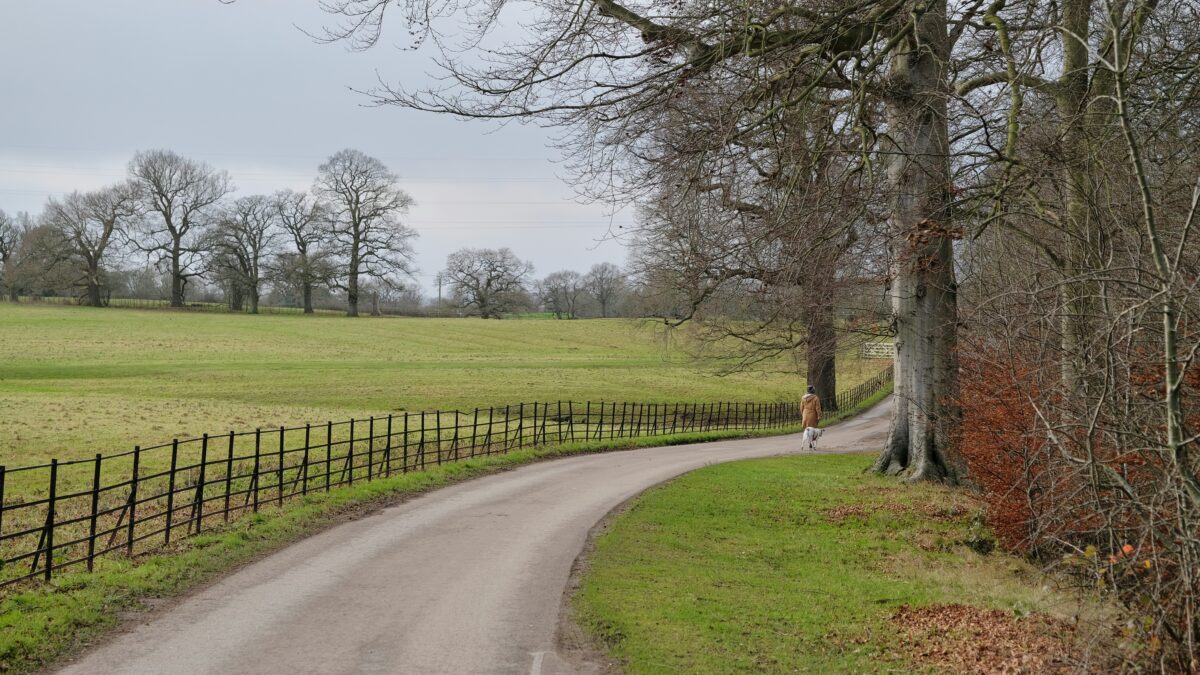
The Butterfly project was planned across three parcels of agricultural land south of Wrexham, with underground cabling to the Legacy National Grid substation. From the outset, grid access had been identified as a central design challenge. As recently as September 2025, two alternative connection routes were still under assessment, underscoring how unresolved interconnection questions can linger deep into project development.
Grid access is becoming the defining constraint
The source reporting places RWE’s withdrawal in the context of sharply rising connection demand and growing pressure on the United Kingdom’s queue reform process. That wider setting makes the decision more than a local project cancellation. It points to a market in which the limiting factor is increasingly not whether developers want to build, but whether the electricity system can absorb projects on timelines and conditions that make commercial sense.
For the energy transition, that distinction matters. Solar-plus-storage developments are often discussed in terms of falling technology costs, land use, and planning decisions. Yet this case highlights another gatekeeper: interconnection certainty. If a developer cannot secure a grid path with enough clarity, even a large project backed by a major company can stall.
The fact that the project included storage is also notable. Storage is often presented as a tool for making renewable generation more flexible and easier to integrate. But the source text makes clear that this alone did not solve the connection problem here. A project can have an attractive technology mix and still fail when network access remains constrained.
Why the decision matters beyond one site
RWE’s move will resonate because it comes from a major market participant, not a speculative small developer. When a company of that scale decides a near-100 MW project is not viable under current grid conditions, it sends a strong signal about the practical state of the development pipeline. Developers, financiers, planners, and policymakers all watch these decisions closely because they reveal where theoretical capacity additions meet system-level friction.
The case also puts more attention on queue reform. If connection queues lengthen, routes stay uncertain, or available capacity remains difficult to access, projects can sit in limbo until the economics deteriorate. In that environment, even advanced schemes can be withdrawn rather than endlessly reworked. That means grid management becomes an industrial policy issue as much as an engineering one.
For Wales and the wider UK market, the immediate consequence is simple: one sizable solar-plus-storage project will not move ahead for now. The larger consequence is the signal it sends about what kinds of bottlenecks are now shaping renewable deployment. The debate is shifting from whether enough clean-energy projects are proposed to whether the system is ready to connect them.
A revealing setback for clean-energy delivery
There is no indication in the source reporting that RWE has ruled out future activity altogether. The company said it would not proceed with plans for the proposed solar farm at this time, language that leaves room for later reassessment. But for the moment, the project stands as an example of how infrastructure constraints can quietly override ambitious generation plans.
That is what makes the Butterfly withdrawal more than a single-project setback. It is a reminder that energy transitions are built not only with wind turbines, solar panels, and batteries, but with substations, cable routes, connection rights, and administrative processes that determine whether projects can actually deliver electricity. In fast-growing power markets, those less visible elements can become the decisive factor.
As pressure mounts on the UK’s grid queue and reform efforts continue, RWE’s decision will likely be read as a warning from the front line of project development. The appetite to build may still be there. The question is whether the grid can keep up.
This article is based on reporting by PV Magazine. Read the original article.
Originally published on pv-magazine.com




