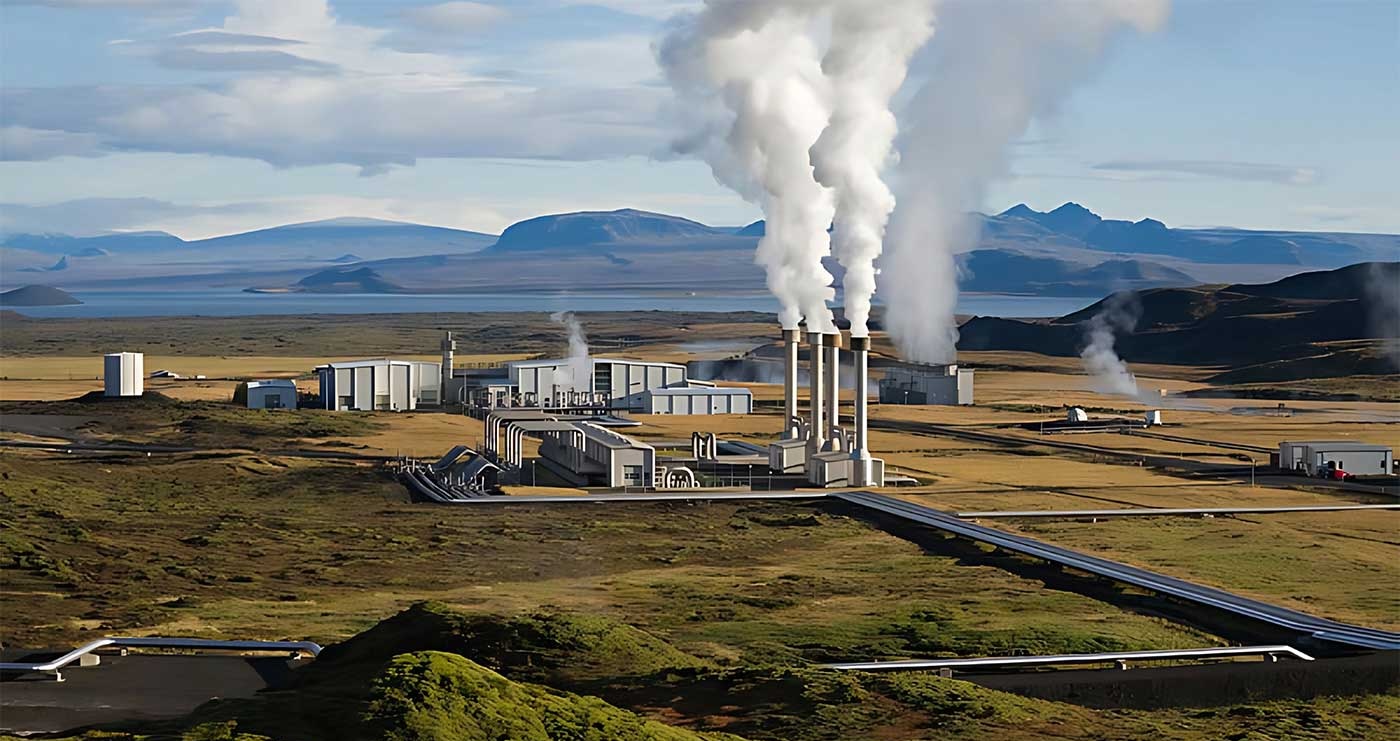
A regional bloc is trying to turn geothermal from niche resource into scalable power strategy
Arizona, Colorado, New Mexico, and Utah have joined together in a new Mountain West Geothermal Consortium, creating one of the clearest signs yet that advanced geothermal is moving from technical promise toward organized deployment. The four-state effort reflects a widening belief that new drilling methods, data tools, and oilfield know-how could make geothermal viable in places that historically lacked the classic combination of heat, rock, and water needed for conventional projects.
The strategic importance of that shift is straightforward. Geothermal has long supplied only a small slice of US generating capacity, with development clustered in a limited set of western regions where natural conditions were unusually favorable. The source text describes that footprint as roughly 1% of total installed capacity, underscoring how marginal the resource has remained despite its appeal as round-the-clock, low-carbon power.
Why the timing matters now
The consortium arrives amid a broader federal energy environment that, according to the source material, has left room for geothermal even as wind and solar faced tougher treatment under the Trump administration’s energy policy. That opening appears to have created a political lane for states and companies looking to advance geothermal as a domestic energy source that can fit both grid and industrial needs.
Unlike solar and wind, geothermal is valued for steady output rather than variable generation. But its historical problem has been geography and cost. Conventional projects depended heavily on naturally ideal underground conditions. What changes the picture is the adaptation of techniques from the oil and gas sector, including newer drilling approaches designed to create or improve access to usable geothermal reservoirs where nature alone would not have made a project economical.
That is the core argument behind enhanced and advanced geothermal: if engineers can drill more effectively, manage subsurface conditions more precisely, and import decades of oilfield expertise, the resource map expands. In that scenario, geothermal stops being a narrow regional specialty and starts to look like a broader infrastructure category.

The oilfield connection is not incidental
The consortium’s advisory ecosystem says a great deal about how the sector is evolving. The source text names Halliburton among the advisors and points to geothermal developer Fervo Energy as another prominent participant with strong ties to oilfield services. This is more than a partnership of convenience. It suggests the geothermal buildout may depend on the very industries that spent decades perfecting drilling, well design, and subsurface operations for fossil fuels.
That crossover has become one of the most important themes in geothermal’s recent momentum. The same engineering base that enabled unconventional oil and gas extraction is now being positioned as a launch platform for new geothermal systems. That does not erase the tension between fossil energy and clean-power goals, but it does explain why geothermal has found traction in places where industrial capability already exists.
The personnel story reinforces the point. The article notes that Energy Secretary Chris Wright came from the oilfield services industry and that Liberty, the company he led, invested $10 million in Fervo in 2022. Whether viewed as industrial continuity or strategic realignment, the message is clear: some of the expertise, capital, and supplier networks built around hydrocarbons are being redirected toward underground heat.
What the four-state alliance could actually do
Regional consortia matter when a technology sits between pilot stage and mass rollout. They help align permitting, workforce planning, infrastructure priorities, research support, and investor signaling. For geothermal, those coordination tasks are especially important because projects are site-specific, capital-intensive, and technically complex.
By forming a joint bloc, Arizona, Colorado, New Mexico, and Utah can present themselves not just as separate prospects but as a shared development corridor. That can make it easier to attract drilling expertise, manufacturing partners, grid planners, and financing. It also creates a venue for states to compare subsurface data, regulatory approaches, and transmission needs rather than reinventing policy in isolation.
The deeper significance is political as much as technical. A multi-state organization gives geothermal a more durable institutional base. If projects remain scattered and experimental, momentum can fade quickly. If states treat geothermal as a strategic regional industry, the technology gets a stronger path from demonstrations to repeatable deployment.
The limits remain real
None of this guarantees a geothermal boom. The source text argues for major potential, but potential is not the same as delivered electricity. Advanced geothermal still faces cost, drilling risk, project timelines, and the challenge of proving performance across more locations. Translating oilfield techniques into reliable, bankable geothermal assets at scale remains a demanding engineering and commercial task.
Still, the formation of the Mountain West Geothermal Consortium is notable because it moves the discussion from abstract resource estimates to organized action. It suggests that state governments, service providers, and developers see enough technical progress to start building the institutions needed for a larger market.
A meaningful signal for the US energy mix
For years, geothermal was often described as promising but peripheral. This consortium suggests the sector is trying to outgrow that status. If advanced drilling really can unlock resources across a broader swath of the country, geothermal could become a more important complement to intermittent renewables and a new source of industrial activity in energy-producing states.
The headline is not that geothermal has suddenly arrived. It is that four western states are now organizing around the possibility that it can. In energy development, that kind of coordinated regional bet often comes before the market pays closer attention.
This article is based on reporting by CleanTechnica. Read the original article.
Originally published on cleantechnica.com