Conflict is hitting solar first through shipping, not factories
The latest stress point for the solar industry is not a factory closure or a manufacturing collapse. It is logistics. According to analysis published by pv magazine and attributed to OPIS, the U.S.-Israeli conflict with Iran is unlikely, for now, to materially damage solar manufacturing projects in the Middle East because many of those investments are still at an early stage. The more immediate risk sits elsewhere: moving equipment and finished products through a region whose shipping lanes suddenly look far less predictable.
That distinction matters. In energy markets, early headlines often center on whether a crisis will stop production. In this case, the nearer-term concern is whether components can arrive on time, whether freight costs rise, and whether pricing becomes less stable as traders react to uncertainty. The report says that if disruptions persist, shipments of solar products into the Middle East could be delayed and export pricing may turn volatile. For developers, distributors, and utilities, that kind of uncertainty can be enough to slow decisions even before any physical shortage appears.
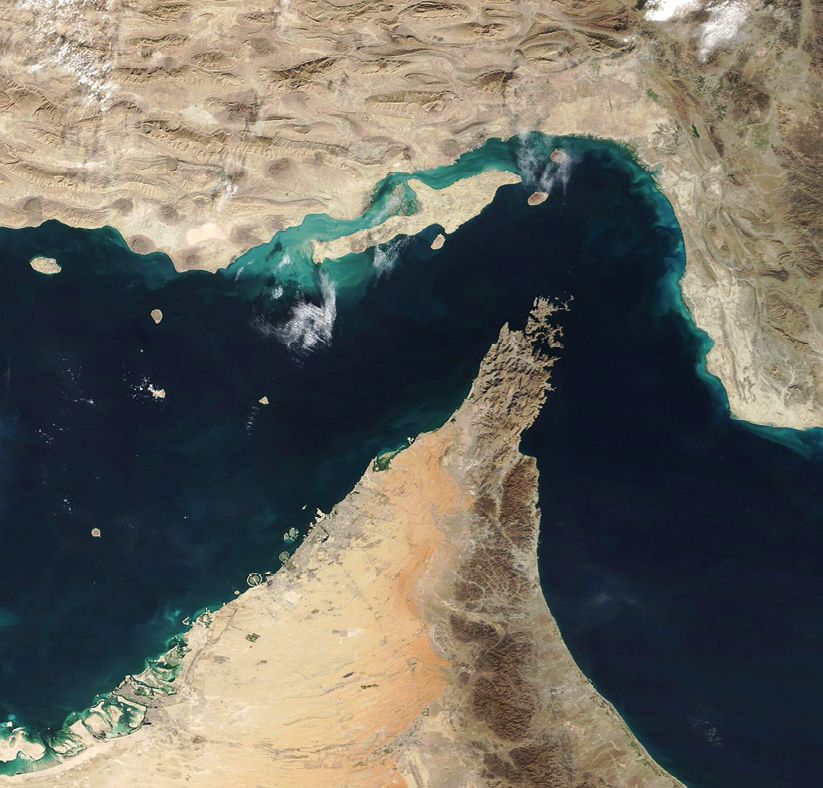
The geographic chokepoint in focus is the Strait of Hormuz. The source report says shipping through the strait has been severely disrupted and that war-risk terms have tightened for voyages in the Middle East. Those conditions do not automatically halt trade, but they can change the economics of every shipment. Insurance, routing, scheduling, and inventory buffers all become more consequential when a core maritime corridor is under strain.
A fast-growing destination for Chinese solar exports
The timing is significant because the Middle East is no longer a marginal solar destination. The pv magazine report describes the region as both a major destination for China’s module exports and an increasingly important market for new photovoltaic manufacturing investment. That means instability does not just affect one end market. It can ripple across trade flows, project schedules, and future industrial planning.
Data cited from Ember underscores the scale. In 2025, China’s solar shipments to the Middle East totaled 1.2 gigawatts of cells and 25.9 gigawatts of modules, while wafer shipments were only 10 megawatts. That mix says a great deal about how the market is currently functioning. The region is absorbing very large volumes of finished or near-finished solar products, while upstream wafer trade remains comparatively small.
In practical terms, that makes shipping reliability especially important. A market built around imported cells and modules is more exposed to freight interruptions than one with deep local manufacturing across the supply chain. Even if long-term factory investment plans remain intact, short-term project execution can still wobble if modules arrive late or if procurement teams pause purchases because prices are shifting too quickly.

Why early-stage manufacturing investment changes the risk picture
One reason the report stops short of forecasting immediate manufacturing damage is that many Middle Eastern solar manufacturing projects remain early in development. Early-stage projects can be delayed by uncertainty, but they are not yet as exposed to operational shocks as fully built plants that depend on regular inbound materials and outbound exports every week. In that sense, the current conflict appears to be testing the region’s role as a buyer and logistics hub before it directly tests it as a large-scale manufacturing base.
That does not make the issue small. Early-stage investments are sensitive to confidence, and confidence is shaped by perceptions of continuity. If investors or industrial planners conclude that regional transport risk will remain elevated, some projects could slow, be rephased, or demand new contingency assumptions. The source analysis does not say that has happened. But it does make clear that the broader implications for the supply chain remain uncertain because the situation is still evolving.
That uncertainty is itself important. Solar supply chains are global, cost-sensitive, and highly responsive to margin pressure. When a major destination market becomes harder to serve, exporters and buyers alike have to rethink timing. Delays can force developers to adjust construction windows. Volatile export pricing can complicate contract negotiations. Insurers and shippers can impose costs that were not in project models weeks earlier.
What the market will watch next
Three signals now look especially important. The first is duration. A brief disruption can be absorbed through existing inventories and schedule flexibility. A prolonged one is harder to contain. The second is breadth. If disruption remains concentrated in shipping and insurance, the market may adapt. If it broadens into wider trade restrictions or more persistent transport bottlenecks, the effects could spread faster. The third is behavior from buyers. Procurement slowdowns can amplify supply-chain caution even without outright shortages.
For now, the article’s central message is measured rather than alarmist. The Middle East’s solar manufacturing ambitions do not appear to face an immediate material hit from the conflict. But the region’s solar supply lines are under pressure, and logistics is often where strategic disruption becomes commercial reality first. In an industry built on scale, timing, and predictable delivery, that is more than a temporary inconvenience.
Why this matters
- The Middle East has become a major destination for Chinese solar module exports.
- The current risk is concentrated in shipping disruption and war-risk costs, not yet in large-scale factory shutdowns.
- Persistent delays or pricing volatility could still affect project schedules and investment confidence across the region.
This article is based on reporting by PV Magazine. Read the original article.
Originally published on pv-magazine.com