Solar power on farmland may offer another agricultural benefit
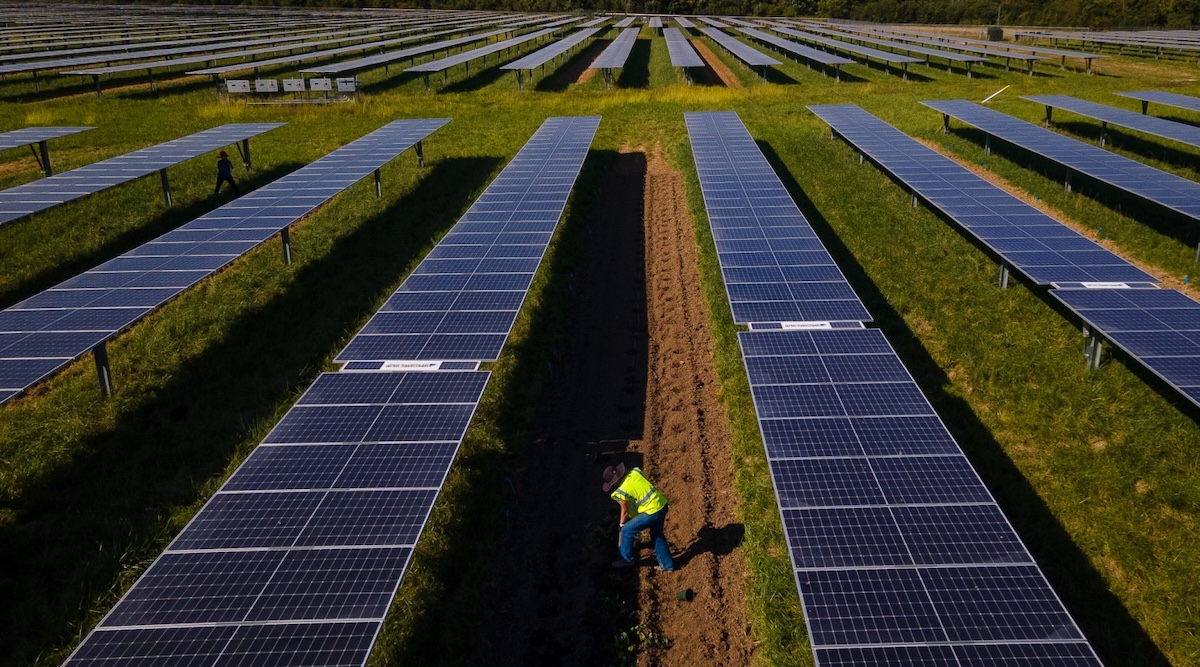
Agrivoltaics has largely been discussed as a two-for-one land strategy: generate electricity while continuing to grow crops on the same acreage. A newly highlighted study now points to another possible advantage for farmers in the United States. Researchers at Cornell University say solar arrays may also help shield cropland from damaging winds, potentially reducing soil loss and protecting vulnerable crops.
The work, published in Agricultural and Forest Meteorology under the title Agrivoltaics wind shelter benefits with single-axis tracking solar panels, focuses on a persistent problem in U.S. agriculture. Wind erosion remains a major economic and environmental burden, and the researchers note that the cost to the agricultural sector exceeds $9 billion annually. That creates a strong incentive to find practical ways to slow wind across working land without forcing growers to give up too much productive area.
Why wind protection matters
Wind damage is not a marginal issue for farms. Its effects vary depending on wind speed, duration, crop type, stage of growth and soil conditions, but the outcome can be severe. Exposed fields can lose topsoil, young plants can be stressed or physically damaged, and productivity can suffer. In regions where weather volatility is already raising pressure on farm economics, any system that lowers exposure while also creating a second revenue stream could attract serious attention.
Farmers have long used tree lines and shrub barriers as windbreaks. According to the Cornell team, well-designed windbreaks can reduce soil loss by up to 20% and raise pasture productivity by a similar amount. They also cite evidence that wheat yields can rise by 5% to 25% in sheltered zones, with the strongest effects typically appearing downwind of the barrier.
But those conventional windbreaks come with tradeoffs. They occupy land, compete with crops for water and other resources, and can create operational conflicts for modern farming practices. In some cases they are removed because they age poorly or no longer fit the farm’s layout. That is the opening agrivoltaics is trying to exploit: if solar infrastructure is already being installed, can it also provide a wind-management function that would otherwise require separate land and investment?

Testing whether panels can behave like windbreaks
The Cornell researchers set out to examine that question in more depth. Their study uses computational fluid dynamics to model how single-axis tracking solar panels affect airflow across agricultural land. That matters because agrivoltaic systems do not simply sit still like a wall of trees or fencing. Tracking panels change orientation, altering the way wind moves over and around them throughout the day.
The premise is straightforward. If the panel rows disrupt wind in a useful way, they could create protected microclimates across cropland. Agrivoltaics has already been studied for benefits that include water conservation, improved soil health and cooler local growing conditions. Wind protection would add another layer of value to the concept, especially in places where erosion, plant stress and moisture loss combine to undermine yields.
The significance of the study is not that it declares every solar farm a better windbreak than trees. Rather, it pushes agrivoltaics further into the realm of multifunctional farm infrastructure. A system that produces electricity, supports crops, shapes microclimate and reduces wind exposure could look far more compelling to landowners than a simple power installation.
A land-use argument with broader implications
The study arrives as pressure grows on rural land from multiple directions. Farmers face tighter margins, more weather risk and rising expectations that their land can also host clean-energy infrastructure. That has made land-use conflicts a recurring issue in the buildout of renewable energy. Agrivoltaics has emerged partly as a response to that tension, offering a model in which solar is not treated as a permanent removal of acreage from agriculture.
If solar arrays can perform some of the same functions as windbreaks, the appeal could extend beyond power generation. Farmers may be more willing to consider projects that do not simply coexist with agriculture but actively improve conditions for it. In that framing, agrivoltaics becomes less about compromise and more about stacked utility.
The Cornell research also highlights why design will matter. Traditional windbreak performance depends heavily on placement and optimization, and the same is likely to be true for solar-based sheltering effects. Panel spacing, height, orientation and movement all shape the local airflow field. The results therefore strengthen the case for tailoring agrivoltaic projects to local crop needs and climate conditions rather than treating them as one-size-fits-all installations.
What this means for adoption
The U.S. farming sector has shown interest in agrivoltaics because it can create new revenue without automatically displacing production. The known benefits already include reduced water stress, healthier soils and cooler conditions beneath or around panels in some settings. Wind protection, if confirmed across more field conditions, would give developers, researchers and growers another concrete reason to expand trials.
That matters because adoption barriers are not only technical. They are financial and cultural. Farmers need evidence that a new system will perform under real operating conditions and support, rather than complicate, existing practices. Research that connects solar infrastructure to familiar agronomic benefits can help close that gap.
The Cornell team’s work does not end the debate over where and how agrivoltaics should spread. But it does sharpen the argument that solar panels on farms may do more than generate power. In windy regions, they could become part of the farm’s protective infrastructure as well.
For U.S. agriculture, that is an important shift in framing. The question is no longer only whether farmland can host solar. It is whether carefully designed solar systems can help farmland remain productive under growing environmental and economic strain.
This article is based on reporting by CleanTechnica. Read the original article.
Originally published on cleantechnica.com