Laughter may be far older than humanity
A new study highlighted by 404 Media points to an unexpectedly deep evolutionary history for one of the most familiar human behaviors: laughter. Drawing on recordings from humans and other great apes, researchers concluded that the recognizable rhythmic structure of laughter likely existed in the last common ancestor of the hominid family, pushing its origin back at least 15 million years.
The study, titled Rhythm and timing in laughter reveal that human vocal plasticity falls on a hominid continuum and published in Communications Biology, examines whether the sounds associated with laughter are uniquely human in form or part of a broader inherited pattern shared across our closest living relatives. The answer, based on the account summarized in the source text, leans strongly toward continuity rather than separation.
That matters because laughter often sits at the center of how humans understand social life. It helps regulate play, signal affiliation, diffuse tension, and strengthen interpersonal bonds. If other great apes produce laughter with comparable timing patterns, then at least part of what humans think of as a distinctly social, even cultural, behavior may rest on an ancient primate foundation.
What the researchers analyzed
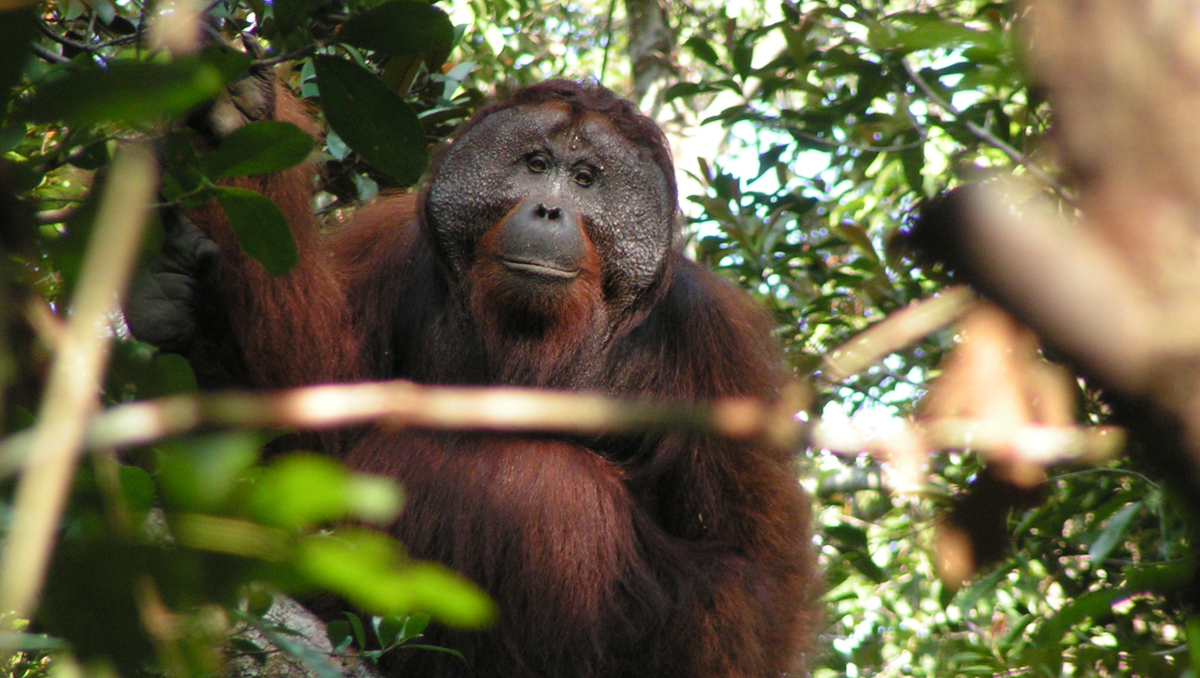
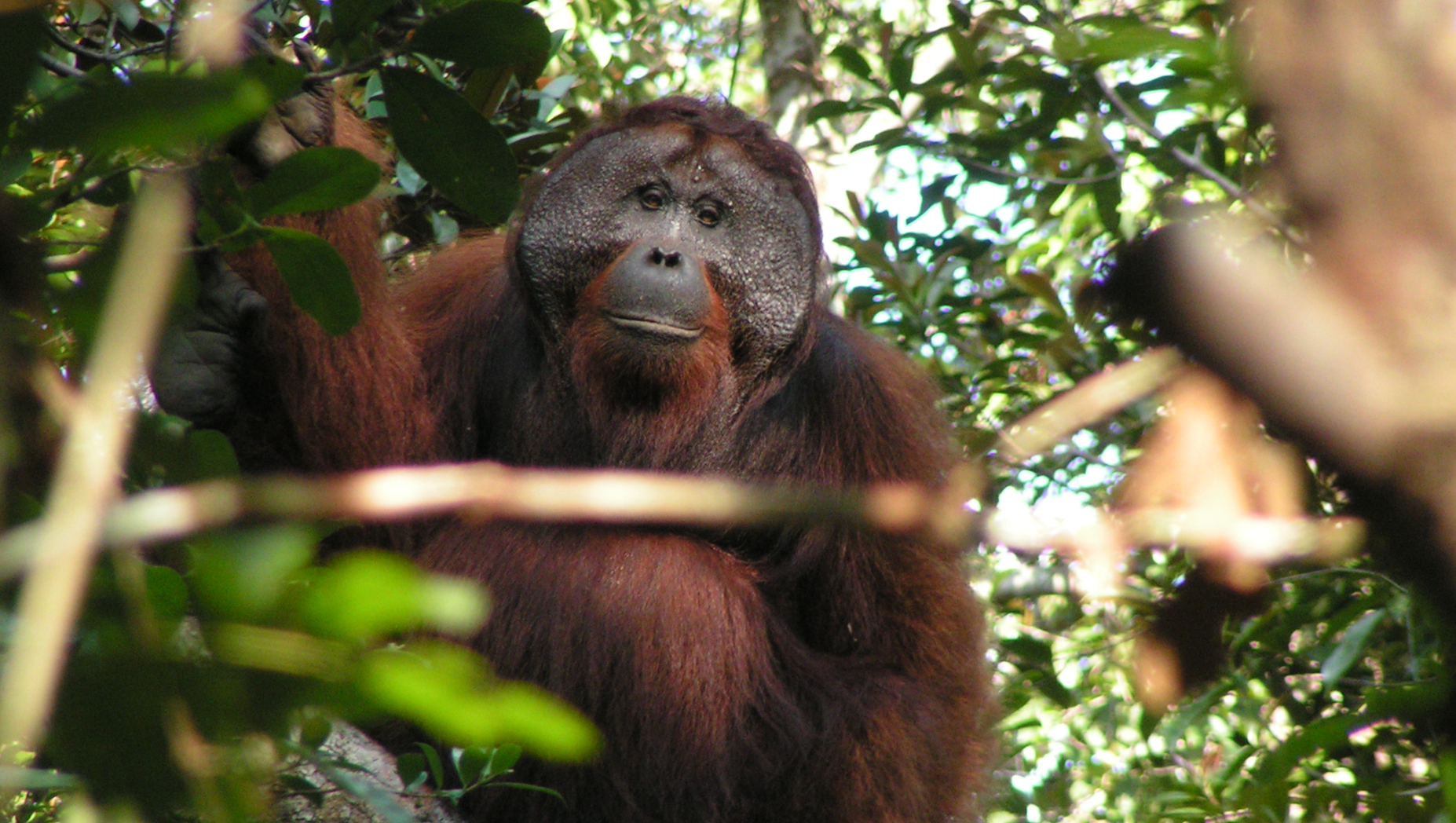
According to the source text, the researchers studied recordings from four orangutans, two gorillas, three bonobos, four chimpanzees, and four human children. These recordings were captured during playful contexts including roughhousing, playtime, and tickling. That framing is important because laughter does not appear in a vacuum. Across species, it emerges in social interaction, especially when physical play creates a low-stakes environment for signaling engagement and enjoyment.
The core finding centers on what the study describes as the isochronous quality of laughter. In practical terms, that means the vocalization often unfolds in clear, repeated intervals, roughly analogous to the familiar human cadence of “ha ha ha.” The researchers concluded that this temporal structure was likely already present in the last common ancestor shared by the great apes.
The implication is not simply that apes make amusing noises during play. It is that the timing architecture of laughter itself appears to have been conserved across evolutionary time. That shifts the discussion from anecdotal resemblance to something more formal: a pattern that can be measured, compared, and interpreted phylogenetically.
The source also notes a second conclusion with particular relevance to human evolution. Apes more closely related to humans reportedly show laughter that is more complex and variable, aligning more closely with the range of human laughs, including different rhythms and textures. That suggests evolutionary continuity paired with gradation. Human laughter may be more flexible, but it was not created from scratch.

A conserved vocal signal across the hominid family
The researchers, led by Chiara De Gregorio of the University of Warwick, are quoted in the source as arguing that laughter has been preserved across all major branches of the hominid family despite the fact that each species evolved its own broader repertoire of calls shaped by different socio-ecological pressures. In other words, many vocal behaviors diverged as species adapted to different environments and social systems, but laughter remained.
That stability makes laughter unusual. Evolution often repurposes, modifies, or eliminates behaviors depending on whether they continue to confer advantages. A vocal behavior that persists across multiple great ape lineages and across age and sex classes likely serves an important social function. The source text does not claim to solve every aspect of that function, but it clearly positions laughter as more than a trivial byproduct of play.
Seen in that light, laughter becomes a biological thread connecting modern humans to a much older lineage of social mammals. The findings challenge a common intuition that human emotional expression is categorically distinct from that of other apes. Instead, they support a continuum in which human vocal flexibility emerged from preexisting structures rather than replacing them.
This is also why the study’s focus on rhythm and timing matters. People often interpret species differences through vocabulary, syntax, or symbolic communication, all domains in which humans appear exceptional. By contrast, the mechanics of shared emotional signaling may reveal deeper common ancestry. Laughter, in this account, is one of those signals.

Why the finding resonates beyond comparative biology
The appeal of this research extends beyond the technical question of when laughter began. It speaks to how scientists reconstruct the emotional past from living species. Because behaviors do not fossilize in the way bones do, researchers rely on comparative methods, observing which traits persist across related lineages and inferring what earlier ancestors may have possessed. When a trait appears across orangutans, gorillas, bonobos, chimpanzees, and humans, the most economical explanation is that it predates the branching of those groups.
That does not mean laughter looked exactly the same 15 million years ago as it does now. The source text instead suggests a recognizable form was already in place, while later evolution introduced species-specific elaborations. Human laughter, with its wide expressive range and cultural uses, may therefore represent the latest variation on a very old theme.
The study also reinforces a broader trend in animal behavior research: the erosion of rigid boundaries once drawn between humans and other animals. Over time, evidence has accumulated for continuity in tool use, communication, empathy, cooperation, and play. Laughter now appears to join that list in a more quantifiable way.
For anthropology, the finding adds texture to the social world of ancient hominids. A shared laugh-like signal implies moments of play, affiliation, and emotional coordination long before the emergence of language in its modern form. For everyday readers, it offers a simpler but striking reframing: the sound of laughter may be one of the oldest audible links we still carry from our primate past.
If the study’s interpretation holds, then laughter is not merely a human flourish layered on top of intelligence and culture. It is part of a durable hominid inheritance, one that survived millions of years of evolutionary change and still erupts today in playgrounds, living rooms, and moments of shared joy across species lines.
This article is based on reporting by 404 Media. Read the original article.

Originally published on 404media.co


