When a store alert becomes a public accusation
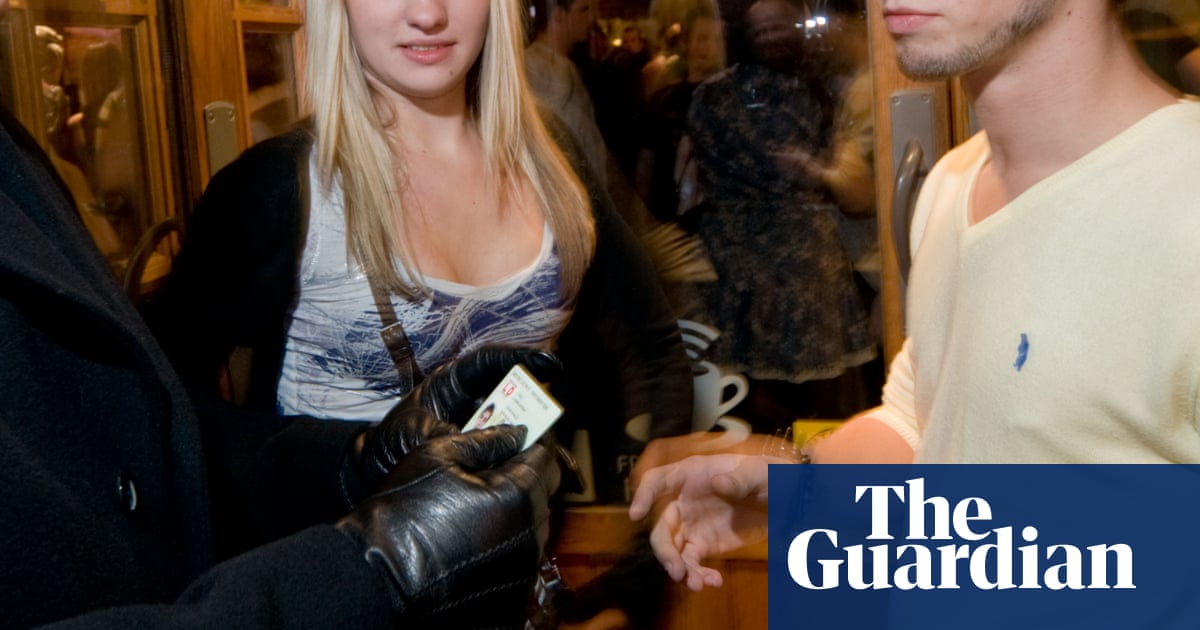
A new set of reported cases from the UK is putting a harder edge on the debate over facial recognition in everyday commerce. According to reporting from The Guardian, some shoppers were approached in stores, told to leave and informed that a live facial recognition system had identified them as suspected shoplifters. The people involved say they were innocent and then struggled to find a practical route to challenge the accusation or clear their names.
The article centers on Facewatch, a system being rolled out across UK retail to help combat theft. Its website claims 99.98% accuracy and says it sent 50,288 alerts of known offenders to participating shops in one recent month. But the reported experiences show that even a system promoted as highly accurate can become socially damaging when an error reaches the shop floor. Accuracy percentages do not erase the consequences of a false match for the person told to put down their items and leave.
The governance gap is becoming the story
The most important issue here may not be the raw use of facial recognition. It is the weak accountability around deployment. One of the shoppers described in the report, Ian Clayton, said he was told he appeared on the system as a shoplifter while visiting a Home Bargains store. After trying to get answers, he eventually submitted a subject access request and learned he had been incorrectly associated with a prior incident. He described the experience as feeling like being guilty until proven innocent.
That phrase captures the deeper problem. In many public debates about AI, the emphasis lands on model accuracy, vendor claims and whether the technology works in principle. But for the people targeted by a false alert, the pressing questions are procedural. Who made the decision? Was it a system error or staff error? What evidence exists? How quickly can a mistake be corrected? Who is responsible for the harm?
The reported answer, at least in these cases, was not reassuring. Some people said they received little help and did not know how to complain or prove their innocence. That suggests that oversight and customer redress have not kept pace with deployment.

Why retail AI raises a different kind of risk
Retail facial recognition differs from many other AI applications because it operates in physical space and can trigger immediate consequences. A chatbot that produces a flawed answer can be corrected later. A store system that wrongly identifies a customer can cause public embarrassment in real time, in front of staff, other shoppers and possibly family members.
There is also an asymmetry of power. A retailer can choose its security tools and operating procedures. A customer walking into a store often has little practical awareness of what systems are in use, how watchlists are compiled or what happens if they are matched. Posters or QR codes do not solve the underlying imbalance. If a person is ejected first and informed later, the burden of correction falls on the accused.
What this means for the wider AI debate
These cases land at a moment when AI oversight is still catching up to commercial deployment. Live facial recognition may be marketed as a crime-prevention tool, but the public will increasingly judge it on whether it offers basic safeguards for ordinary people. That includes transparency about how alerts are generated, a clear human review process and a workable path to contest outcomes.
The reported incidents also show that the central risk is not only whether an algorithm misfires. Human use matters too. Staff interpretation, escalation policies and complaints handling can turn a technical mistake into an institutional failure. A high quoted accuracy rate can coexist with serious harms if there is no effective way to identify and repair the exceptions.
For retailers, the lesson is straightforward. If facial recognition is going to be used in customer-facing environments, governance cannot be an afterthought. For regulators and civil liberties advocates, the question is whether current oversight is strong enough for systems that can instantly label someone as suspicious in a public setting.
The UK examples suggest the answer is still unsettled. What is clear is that automated suspicion becomes a much more serious matter when the person on the receiving end has no fast, visible or fair way to challenge it.
This article is based on reporting by The Guardian. Read the original article.
Originally published on theguardian.com