Municipal backlash is turning into a visual indictment of surveillance contracts
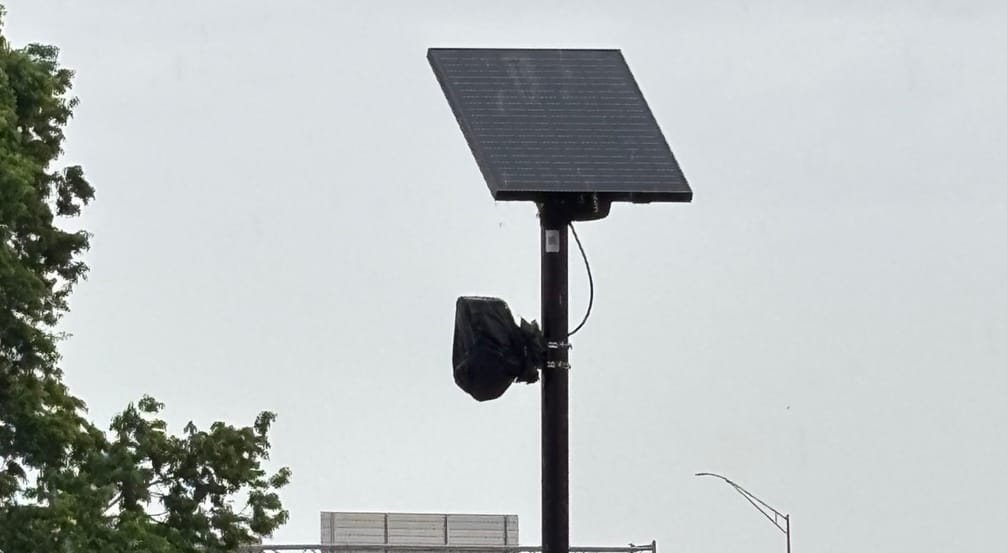
In Dayton, Ohio, city workers have begun covering Flock automated license plate reader cameras with black trash bags. The image is blunt, but it captures a deeper problem now confronting local governments: some cities that want out of these surveillance deployments say they are not sure they can immediately deactivate or remove the cameras under the terms of their contracts.
According to 404 Media, Dayton’s stopgap measure came after months of resident outrage, a scandal involving the sharing of Flock camera data for immigration enforcement apparently by accident, and a $30,000 audit into how the cameras are being used. City officials said the cameras were bagged while the city worked toward their full removal.
A striking sign of contractual lock-in
The story is not just about one city. 404 Media reports that Evanston, Illinois, used the same tactic late last year while waiting for the company to remove cameras there. In both cases, local officials told residents they were uncertain whether they could simply switch the systems off or take them down immediately.
That uncertainty is the point. A city can decide politically that a surveillance system no longer reflects public consent, but the mechanics of ending that system may still be controlled by contract terms, vendor processes, and technical dependencies. The trash bags are a physical workaround for a governance problem.

Why cities are reconsidering Flock
The article ties the reconsideration to reporting that data from the camera network was reaching Immigration and Customs Enforcement through Flock’s national network. That disclosure appears to have accelerated debate in multiple jurisdictions. Surveillance tools sold as local public-safety infrastructure become more controversial when they are shown to operate inside much larger data-sharing systems than residents or even city leaders may have fully understood.
In Dayton, the backlash was intensified by the sense that information was being shared in ways the public did not accept. Even when officials say the issue was accidental, it still raises a larger question: how much practical control do cities have over systems once those systems are connected to broader vendor-managed networks?
The politics of turning cameras off
Most controversies over surveillance are fought through procurement reviews, city council meetings, audits, and public comment. Those processes take time. What the bagged cameras reveal is what happens in the awkward period after a city has lost political confidence in a system but before it has regained operational control over it.
Covering the cameras with trash bags is a temporary answer, but it is also a public signal. It tells residents that officials no longer want the devices functioning, even if the city cannot yet unwind the underlying arrangement. That is not a flattering message for either the municipalities or the vendor model behind the deployments.

A warning for future civic tech deals
The broader lesson is that local governments are increasingly being forced to think not just about what a surveillance system does when it is installed, but how it can be stopped when the politics change. Exit rights, deactivation authority, and data-sharing boundaries matter as much as price or deployment speed.
When cities resort to physically obstructing cameras because they cannot confidently shut them down another way, the problem is no longer abstract. It is evidence that procurement and oversight frameworks have not kept pace with the systems they approve.
- Dayton, Ohio covered Flock cameras with trash bags as a temporary measure.
- Evanston, Illinois reportedly used the same approach while awaiting removal.
- The episodes raise questions about contract terms, deactivation authority, and networked surveillance governance.
This article is based on reporting by 404 Media. Read the original article.
Originally published on 404media.co