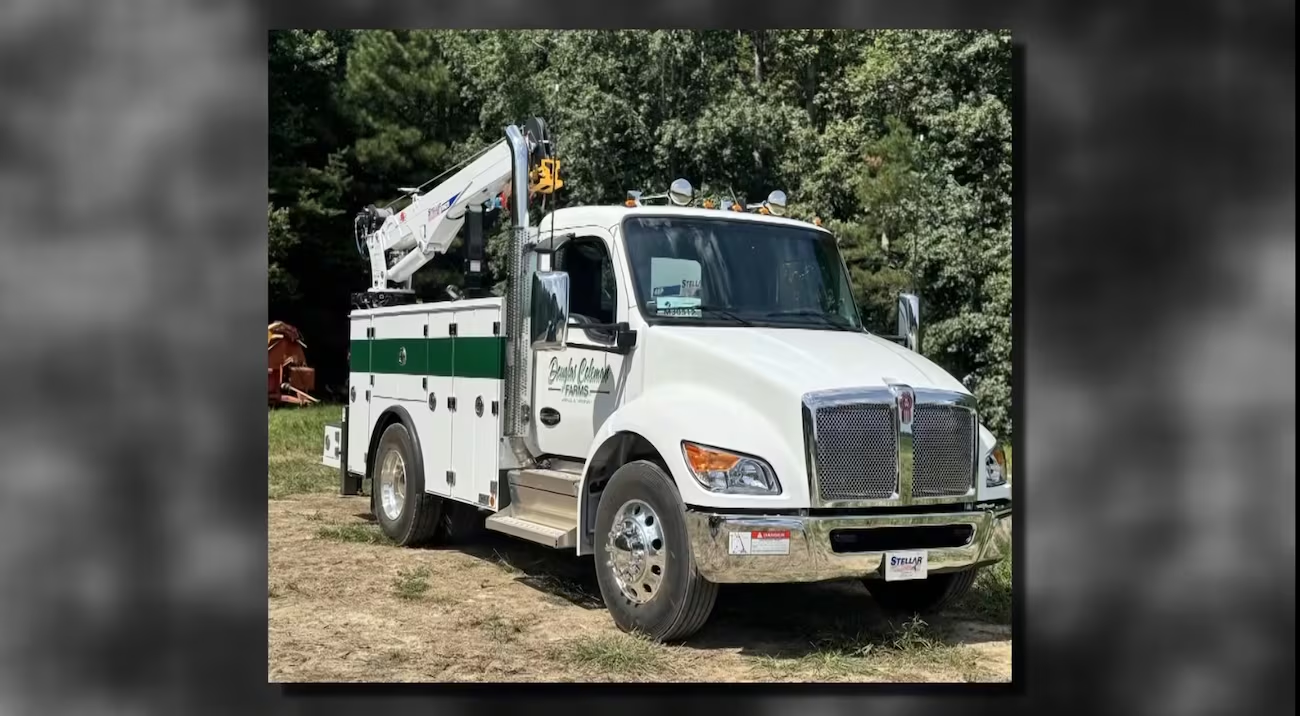
شاحنة جديدة تحولت إلى مشكلة مكلفة
تقول مزرعة في فيرجينيا إن شاحنة Kenworth متوسطة الحمولة الجديدة قضت معظم عامها الأول خارج الخدمة، ما خلق نزاعا مكلفا حول الإصلاحات والتزامات الضمان وما إذا كانت حماية قانون «ليمون» المخصصة للمستهلكين تنطبق على المعدات التجارية. ووفقا لتقرير أُشير إليه في المادة المصدر، اشترت Douglas Coleman Farms شاحنة 2026 Kenworth T280 في أغسطس مقابل 247,357 دولارا. وتقول العائلة إن الشاحنة بدأت تتعطل خلال الأسبوع الأول من الملكية، ومنذ ذلك الحين دخلت الورشة نحو 50 مرة.
قائمة المشكلات المذكورة ليست عيبا واحدا واضحا بل مجموعة أعطال واسعة. ويقول المصدر إن العائلة وصفت عدادات لم تكن تعمل، وناقل حركة لا يبدل السرعات، ومشكلات كهربائية، وحتى حريقا. كما قالت إن الشاحنة قضت معظم شهري نوفمبر وديسمبر في الورشة. وعلى مدى نحو تسعة أشهر، أخبرت المزرعة الصحفيين بأنها خسرت ما بين 30,000 و40,000 دولار لأن المركبة كانت غير متاحة في معظم الوقت.
لماذا قد يكون الحصول على تعويض بموجب قانون «ليمون» صعبا
ظاهريا، يبدو هذا الجدول الزمني مثل نوع مشكلات الإصلاح المتكررة المرتبطة عادة بدعاوى قانون «ليمون». ويقول المصدر إن قانون فيرجينيا ينطبق على المركبات الجديدة التي خضعت لثلاث عمليات إصلاح منفصلة لنفس المشكلة أو بقيت خارج الخدمة لمدة لا تقل عن 30 يوما في السنة التقويمية، مع اشتراط تقديم المطالبات خلال 18 شهرا من الشراء. لكن النزاع يصبح أكثر تعقيدا بسبب الطريقة التي يعرّف بها القانون نوع المشتري والاستخدام الذي يشمله.
وينقل التقرير عن المحامي John Gayle، الذي أعاد صياغة قانون «ليمون» في فيرجينيا سابقا، قوله إن Kenworth قد لا تكون مؤهلة لأن النص التشريعي كُتب ليغطي المركبات المستخدمة أساسا لأغراض شخصية أو عائلية أو منزلية. ويشير النص المصدر إلى أن تعريفات القانون تستخدم اللغة نفسها بالنسبة إلى «المستهلك». وفي هذه الحالة، الشاحنة من فئة Class 6 متوسطة الحمولة وتُستخدم أساسا في أعمال المزرعة، ما قد يجعل من الصعب السعي إلى تعويض بموجب ذلك القانون حتى لو كان سجل الإصلاحات طويلا.
هذا التمييز مهم أبعد من مزرعة واحدة. فإطارات حماية المستهلك تكون غالبا أقوى عندما يكون المنتج مخصصا بوضوح للاستخدام الشخصي، وتضعف عندما تنتقل الفئة نفسها إلى الاستخدام التجاري. وبالنسبة إلى الشركات والمزارع والمقاولين، قد ينتقل الحل العملي من حقوق الاستبدال بموجب قانون «ليمون» إلى إنفاذ الضمانات، أو دعاوى العقد، أو إعادة الشراء المتفاوض عليها.
سؤال الضمان أصبح الآن في صلب القضية
ويقول المصدر إن Gayle أخبر المحطة بأنه بما أن الوكيل لم يتمكن من إصلاح المشكلات، فقد لا تزال لدى عائلة Coleman فرصة لملاحقة Kenworth بشأن التزامات الضمان الخاصة بها. هذا لا يؤدي تلقائيا إلى النتيجة نفسها التي يحققها ادعاء بموجب قانون «ليمون»، لكنه يعيد صياغة المسألة حول ما إذا كانت الشركة المصنعة أو الوكيل قد أوفى بالتزاماتهما بإصلاح المركبة خلال مدة معقولة.
وبحسب المادة المصدر، قالت Kenworth إنها ستعمل على تشخيص جميع المشكلات المتعلقة بالضمان ومعالجتها. كما قالت الشركة إن مناقشات استبدال الشاحنات تُدار بشكل خاص مع العملاء. وتوحي هذه الصياغة بأن الشركة المصنعة لم تتعهد علنا بنتيجة محددة في هذه القضية، لكنها تشير إلى أن النزاع لا يزال قائما ولم يُغلق.
ويذكر التقرير أيضا أن Kenworth عرضت شراء الشاحنة من المزرعة ثم سحبت العرض المزعوم بعد علمها بأن العائلة اتصلت بمحام قبل الظهور على أخبار التلفزيون المحلي. وإذا كان هذا الادعاء صحيحا، فإنه يضيف طبقة أخرى من التوتر إلى القضية لأنه يوحي بأن الطرفين انتقلا من نزاع إصلاح إلى صراع قانوني وسمعي أكثر حدة.
قضية أوسع للمشترين التجاريين
توضح تفاصيل هذه القضية واقعا مألوفا لدى كثير من الشركات الصغيرة: شاحنة العمل ليست مجرد أصل ينخفض سعره، بل هي اعتماد تشغيلي. وعندما تتعطل المركبة مرارا، لا يقتصر الضرر على فواتير الإصلاح. بل قد يمتد إلى فقدان عمليات التسليم، وتأخير مواسم الحصاد أو النقل، وتكاليف المركبات البديلة، وعدم كفاءة العمالة، والضغط على العملاء. ويعكس التقدير المعلن للعائلة بخسائر تتراوح بين 30,000 و40,000 دولار هذا العبء الثانوي.
كما يسلط ذلك الضوء على فجوة بين التوقعات والبنية القانونية. فقد يفترض المشترون بشكل معقول أن الأعطال المتكررة في مركبة جديدة تؤدي إلى حقوق استبدال مباشرة. لكن بمجرد شراء المركبة للاستخدام التجاري، خاصة في فئة أثقل حمولة، قد يصبح المسار القانوني أقل مباشرة. وعمليا، قد يترك ذلك الملاك معتمدين على نصوص الضمان واستجابة الوكيل واستعداد الشركة المصنعة للتفاوض، بدلا من وسيلة قانونية بسيطة منصوص عليها في القانون.
ما الذي ينبغي متابعته لاحقا
لا توضح المادة المقدمة ما إذا كانت الشاحنة قد أُصلحت بالكامل الآن أم أُخرجت نهائيا من الخدمة. لكنها تؤكد ثلاث نقاط بوضوح: تقول المزرعة إن تاريخ الإصلاح كان شديدا ومكلفا، وقد لا ينطبق قانون فيرجينيا لسيارات «ليمون» بسلاسة على هذا النوع من المركبات العملية، وتقول Kenworth إنها تواصل معالجة المشكلات المتعلقة بالضمان.
في الوقت الحالي، يقف النزاع كتذكير بأن مشكلات الاعتمادية في المركبات التجارية يمكن أن تتصاعد بسرعة من مجرد إزعاج خدمي إلى تعرض قانوني ومالي. وعندما تكون الشاحنة محورية للعمليات اليومية، فإن كل زيارة إصلاح فاشلة تزيد الضرر. وقد يعتمد مآل هذه القضية أقل على عدد الأعطال وحده وأكثر على كيفية تفسير التزامات الضمان وإنفاذها في النهاية.
هذه المقالة مبنية على تقرير من The Drive. اقرأ المقال الأصلي.
Originally published on thedrive.com