المقطع الفيروسي يتعلق بالطيران الطبي المتحكم فيه أكثر من كونه استعراضًا بهلوانيًا
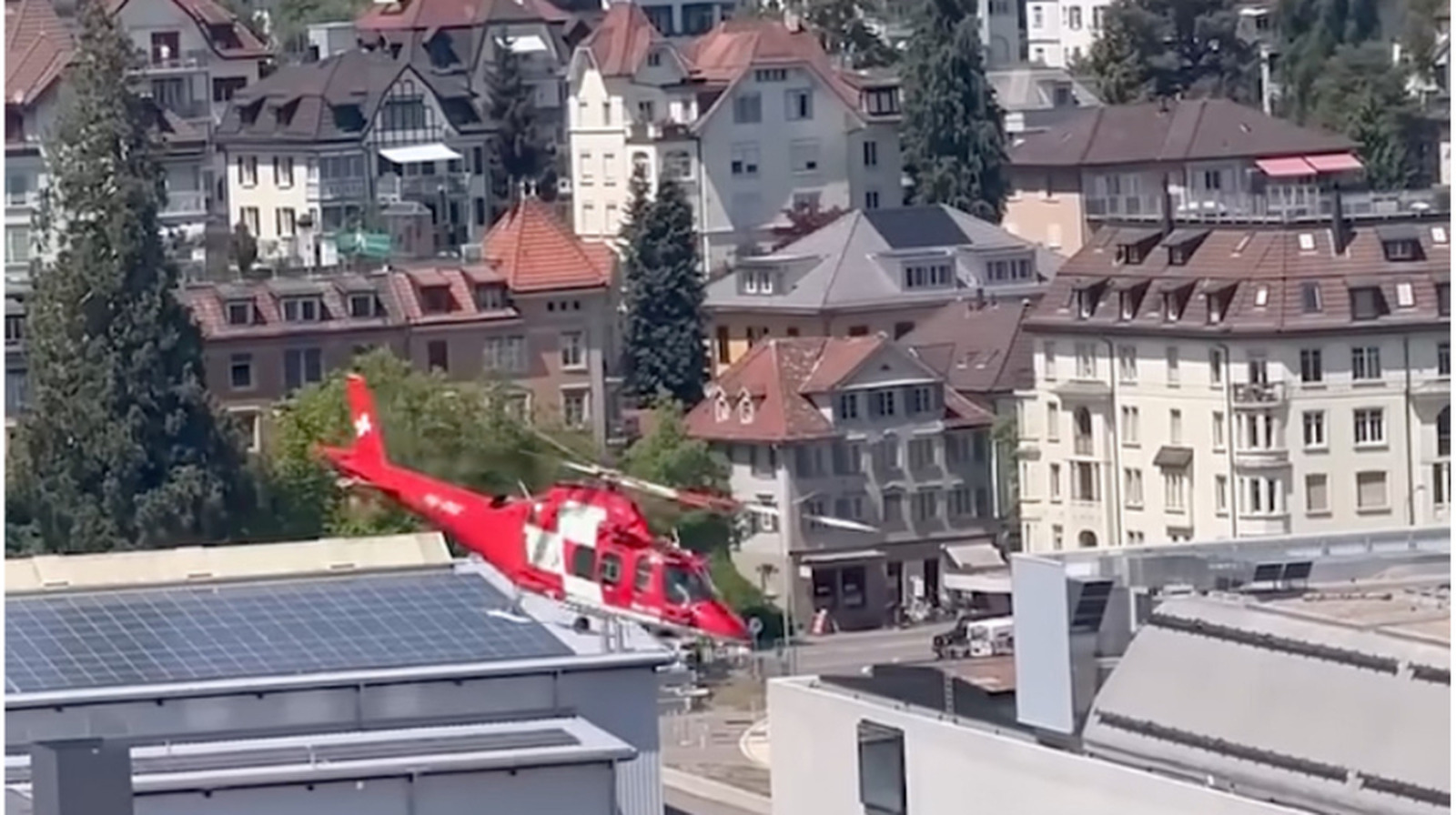
انتشر على نطاق واسع مقطع فيديو لطائرة مروحية إسعاف جوي سويسرية وهي تقوم باقتراب يبدو جانبيًا قرب مبانٍ شاهقة، ووصف كثير من المشاهدين المناورة بأنها أشبه بالانزلاق. هذا الوصف غير رسمي، لكن اللقطات ما تزال تسلط الضوء على أمر حقيقي في عمليات الطائرات الدوارة: في البيئات الضيقة، قد تحتاج الأطقم إلى استخدام اقترابات دقيقة وغير مألوفة ظاهريًا تستفيد إلى أقصى حد من قدرة الطائرة على المناورة ومن مجال الرؤية.
تحدد المادة المصدرية المشغّل على أنه Rega، وهي خدمة الإنقاذ الجوي السويسرية غير الربحية التي توفر المساعدة الطبية جوًا على مدار الساعة. كما تحدد الطائرة على أنها إحدى طائرات AgustaWestland Da Vinci التابعة لـ Rega، وهي طائرة طُورت وفق مواصفات المنظمة وتُستخدم في جميع قواعدها الجبلية. هذا السياق مهم. فمن السهل مشاهدة المقطع بوصفه مشهدًا على وسائل التواصل الاجتماعي، لكن وصف الطائرة وطبيعة المهمة في المصدر يشيران إلى عملية إنقاذ احترافية، لا إلى استعراض ترفيهي.
ومن أكثر التفاصيل إثارة في النص المصدر التركيز على الرؤية. ويُذكر أن المقدمة المنخفضة والنوافذ الكبيرة في Da Vinci مهمتان لتوفير أقصى رؤية أثناء المناورات العنيفة. في البيئات الحضرية الكثيفة أو التضاريس الجبلية، لا تكون خطوط رؤية الطيار تفصيلاً ثانويًا. إنها جزء من كيفية تعامل الأطقم مع العوائق ومناطق الهبوط والتموضع النهائي تحت ضغط الوقت. وقد تكون المناورة التي تبدو درامية للمتفرجين مجرد نتيجة لخيارات تصميم صُممت خصيصًا لأعمال الإنقاذ.
كما يذكر المصدر أن سيارات الإسعاف الجوية تُستخدم كثيرًا لنقل المرضى ذوي الحالات الحرجة ولإنقاذ الضحايا من مواقع يتعذر الوصول إليها بوسائل أخرى. وهذا لا يثبت أن هذا الاقتراب بعينه وفّر الوقت، والنص المرفق لا يقرر ذلك. لكنه يدعم نقطة أوسع: هذه الطائرات تعمل في بيئات يكون فيها الوصول المباشر والتحكم المكاني والسرعة في الوصول عناصر أساسية للمهمة. الدقة هنا ليست أمرًا شكليًا، بل هي جزء من التشغيل ذاته.
والطائرة نفسها ليست خفيفة الوزن. فبحسب المادة المصدرية، تستخدم Da Vinci محركين من Pratt and Whitney ينتجان 778 حصانًا، ويبلغ وزنها نحو 7000 رطل، وتصل سرعتها القصوى إلى نحو 145 ميلًا في الساعة. هذه الأرقام تفسر سبب جذب المقطع للاهتمام. فالطائرة تتعامل مع كتلة وقوة كبيرتين بينما تبدو وكأنها تتحرك بسلاسة وبشكل جانبي في مساحة ضيقة. وما يبدو سهلًا في فيديو قصير هو السطح المرئي للتدريب والهندسة الجوية والانضباط في اتخاذ القرار.
والجدل حول ما إذا كانت المناورة تُعدّ تقنيًا انزلاقًا جانبيًا هو في الغالب تشتيت. وكما يعترف المصدر نفسه، فإن التعريف الصارم في عالم السيارات لا ينطبق فعليًا على المروحية. لكن التشبيه يظل قائمًا لأنه يلتقط ما يراه الجمهور: حركة جانبية محكومة، واتزان ثابت، وإحساس بأن الطيار يدير الطائرة عند الحد الذي يتوقعه غير المتخصص. وبالنسبة لمحترفي الطيران، فالعبرة الأفضل ليست لغة الميم، بل التذكير بأن أطقم الإنقاذ بالمروحيات تنفذ بانتظام اقترابات شديدة الصعوبة لا يراها ركاب الطائرات ذات الأجنحة الثابتة عن قرب تقريبًا أبدًا.
لماذا لاقى المقطع صدى
- أظهر مروحية إسعاف وهي تقوم باقتراب سلس ومحكم للغاية في بيئة حضرية.
- الطائرة من طراز Rega Da Vinci المطور وفق مواصفات المشغّل.
- المقدمة المنخفضة والنوافذ الكبيرة صُممتا لتحسين رؤية الطيار أثناء المناورات الصعبة.
- طبيعة مهمة الإسعاف الجوي تفسر لماذا تُعد الاقترابات الدقيقة جزءًا طبيعيًا من العمل.
غالبًا ما تزيل المقاطع الفيروسية في الطيران السياق الذي يجعلها ذات معنى. وفي هذه الحالة، القصة المفيدة ليست أن مروحية بدت وكأنها تنزلق، بل أن الطيران الطبي الحديث يجمع بين طائرات متخصصة، وإلحاح تشغيلي، وأطقم عالية التدريب بطريقة قد تبدو استثنائية فقط لأنها تُنفذ بهذا القدر من التحكم.
هذه المقالة مبنية على تقرير من Jalopnik. اقرأ المقال الأصلي.
Originally published on jalopnik.com