A transport safety message delivered through body horror
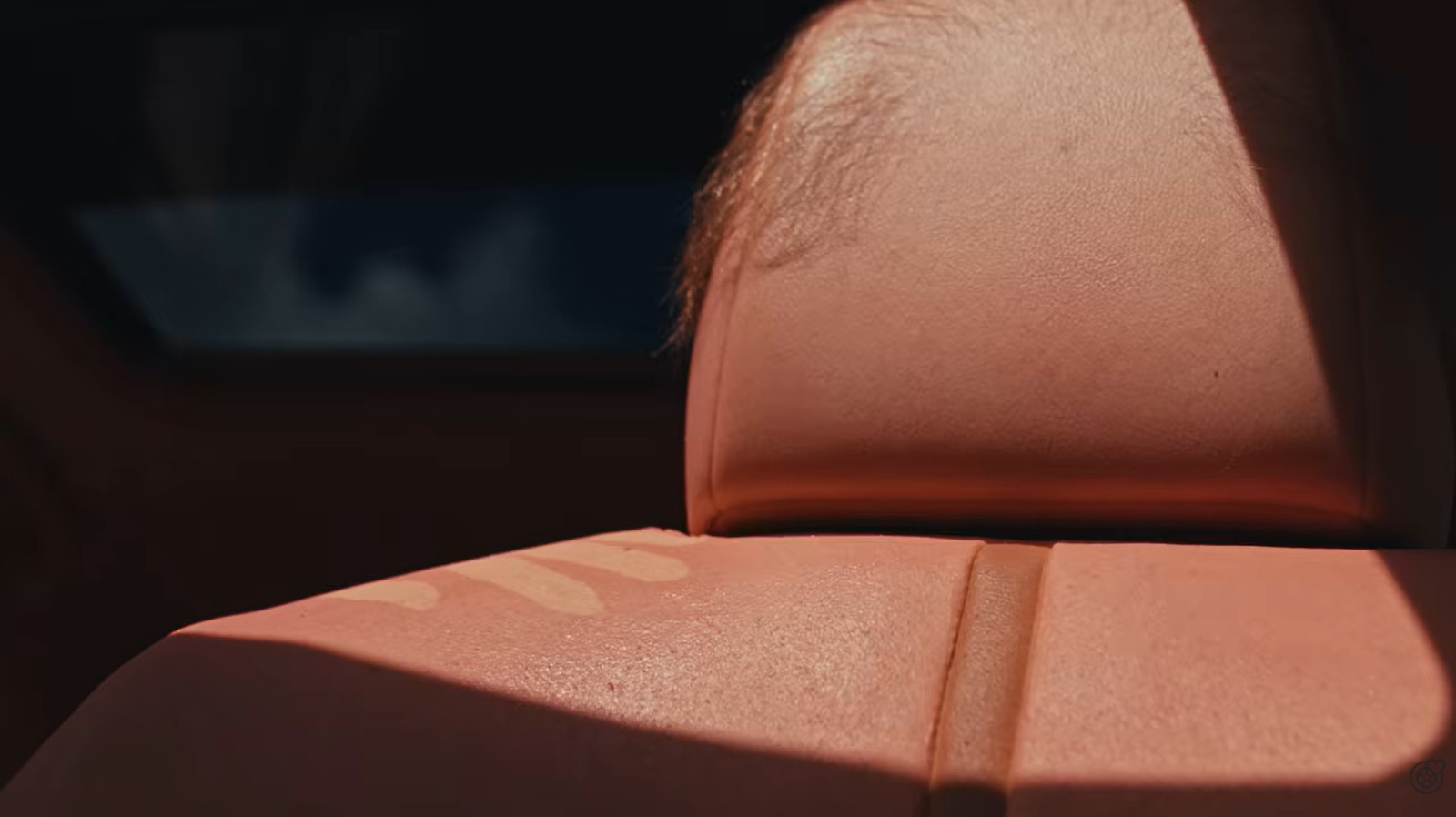
An Australian awareness campaign has taken an unusually graphic route to make a public-health point about driving. MyCar Tyre & Auto reupholstered the interior of a Toyota Camry in simulated human skin, complete with hair, veins, and moles, then designed the material to turn red under UV light. The result, dubbed “The Sunburnt Car,” is meant to show that time inside a vehicle does not eliminate exposure to harmful ultraviolet radiation.
The campaign is rooted in a public misunderstanding that is especially consequential in Australia, where UV exposure is intense and skin cancer rates are among the highest in the world. Jalopnik cites a study finding that 70% of Australians incorrectly believe they are protected from the sun while inside a car. The campaign’s entire logic rests on turning that false sense of safety into something impossible to ignore.
As a visual object, the car is deliberately unsettling. But the point is not shock for its own sake. It is to force drivers to reconsider the interior of a vehicle as an exposure environment rather than a refuge.
Why the message matters
According to the source, standard vehicle windows do not fully block all harmful UV rays, and window tint only reduces exposure to a limited degree. That makes driving and riding in cars a quieter but still meaningful setting for cumulative sun exposure, particularly during frequent or long trips.
The campaign therefore sits at the intersection of transportation and preventive health. Road safety conversations typically focus on crashes, restraint systems, visibility, and distraction. This effort highlights a slower, less visible risk tied to ordinary use of vehicles over time.
That broader framing is useful because it treats the car not just as a mobility device but as a daily micro-environment that shapes health outcomes. In countries with high UV intensity, design, glass choice, route timing, and personal protection habits can all affect risk.
The execution was designed to be technically convincing
MyCar worked with ODD Studio, an Oscar- and BAFTA-winning prosthetics and makeup effects company, to build the installation. The source says the team consulted doctors to make the synthetic skin realistic and replaced virtually every upholstered interior surface with the dermis-like material. The craftsmanship appears central to the campaign’s impact: if the skin looked fake in a casual way, the message would be easier to dismiss.
The company is also distributing “sun spot stickers” at its locations in Australia. These stickers change color when exposed to UV radiation, giving motorists a simpler, practical cue about when they may need added sun protection.
Taken together, the campaign and the stickers are trying to shift a behavioral assumption. People often associate sunscreen, shade, and UV caution with beaches and outdoor recreation, not with commutes. The campaign argues that this distinction is misleading.
The “Sunburnt Car” may be remembered for its grotesque visuals, but its underlying claim is straightforward and backed by the source: being inside a car does not mean being fully shielded from the sun. In a place where melanoma rates are already a major public-health concern, that is a transportation story as much as a medical one.
This article is based on reporting by Jalopnik. Read the original article.
Originally published on jalopnik.com