إعادة ضبط في أصعب أسواق هيونداي الكبرى
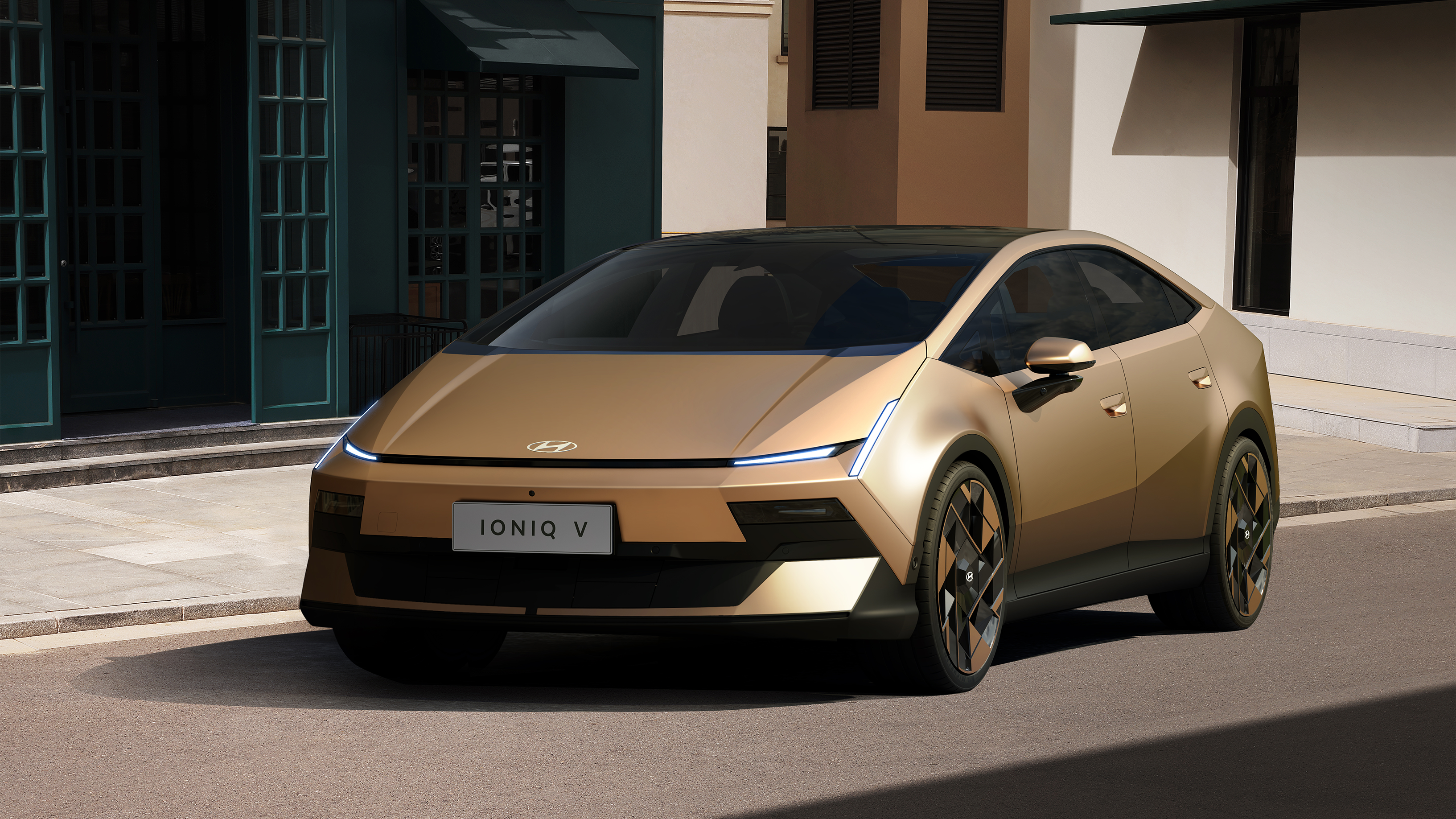
تستخدم هيونداي سيارة سيدان كهربائية جديدة كركيزة لمحاولة عودة إلى الصين، وهي سوق تراجعت فيها مبيعات الشركة بشكل حاد. في معرض بكين للسيارات يوم 24 أبريل، كشفت هيونداي عن Ioniq V وربطتها بخطة أوسع تمتد لخمس سنوات لإطلاق 20 طرازًا جديدًا في الصين بينما تحاول إعادة بناء المبيعات السنوية إلى 500,000 مركبة بحلول 2030.
تتضح صعوبة هذا التحدي من نقطة الانطلاق. وتقول بيانات المرشح إن مبيعات هيونداي في الصين انهارت بنسبة 82%، ما يجعل Ioniq V أكثر من مجرد إطلاق طراز جديد. إذ تُقدَّم على أنها رأس الحربة لاستراتيجية استعادة السوق في أكبر سوق سيارات في العالم.
لماذا يكتسب هذا الإطلاق أهمية
أصبحت الصين ساحة الاختبار الأكثر تطلبًا لشركات السيارات العالمية، ولا سيما في المركبات الكهربائية. فالمنافسة شرسة، ودورات الطرازات سريعة، وتوقعات المستهلكين بشأن البرمجيات والتصميم والقيمة مرتفعة. في مثل هذه البيئة، نادرًا ما يحمل إطلاق منتج واحد وزنًا رمزيًا كبيرًا. ويُظهر قرار هيونداي تقديم Ioniq V بوصفها السيارة الرائدة في حملة من 20 طرازًا أن هذه المرة مختلفة.
فالشركة لا تحاول فقط بيع سيارة كهربائية جديدة. إنها تحاول أيضًا إثبات أن لديها هنوز مسارًا للعودة إلى الأهمية في سوق أعادت فيه الشركات المحلية والتحول السريع نحو الكهرباء رسم الخريطة التنافسية.
كما أن التوقيت مهم. فانهار المبيعات بنسبة 82% ليس نوع التراجع الذي يمكن إصلاحه عبر تعديلات تدريجية على الوكلاء أو تحديثات طفيفة للمنتجات. إنه يتطلب إعادة التفكير في المحفظة وتقديم بيان أوضح بشأن المكان الذي تنوي الشركة المنافسة فيه. وإجابة هيونداي، على الأقل في الوقت الراهن، هي جعل سيدان كهربائية جديدة محور هذا الجهد.
ما الذي تشير إليه هيونداي
يوحي ظهور Ioniq V الأول بأن هيونداي تعتقد أن عودتها في الصين يجب أن تُبنى حول منتجات مصممة خصيصًا للسوق، لا حول نقاط القوة التقليدية في أماكن أخرى. ويشير التزام الشركة بإطلاق 20 طرازًا جديدًا خلال خمس سنوات إلى أنها تخطط لدفع مستدام، لا لعنوان عابر.
وتكتسب هذه النطاقات أهمية لأن سوق السيارات في الصين يكافئ بشكل متزايد الشركات التي تحافظ على حداثة خطوط إنتاجها. كما أنه يوحي بأن هيونداي مستعدة للاستثمار رغم التراجع الحاد الذي تحاول عكسه.
ويضيف الهدف المعلن البالغ 500,000 مبيعات سنوية بحلول 2030 طبقة أخرى. فهو يمنح المستثمرين والموردين والوكلاء هدفًا ملموسًا، ويشير إلى أن هيونداي تستهدف حضورًا ذا معنى بدلًا من انسحاب دفاعي. وما إذا كان الهدف قابلًا للتحقيق لا يزال سؤالًا مفتوحًا، لكن طرحه علنًا يجعل الاستراتيجية قابلة للقياس.
السياق الأوسع للصناعة
خلال السنوات القليلة الماضية، تعلمت شركات السيارات العالمية أن النجاح في الصين لا يمكن اعتباره أمرًا مفروغًا منه. فقد أصبح السوق أكثر ابتكارًا وأقل تسامحًا. كما أصبحت العلامات المحلية أقوى في المركبات الكهربائية وتكامل البرمجيات والمنافسة السعرية. وبالنسبة للمصنعين الأجانب، لا يقتصر الضغط على إدخال منتجات عالمية إلى الصين، بل يشمل أيضًا مضاهاة سرعة الطلب الصيني وتفاصيله.
ولهذا السبب يستحق إطلاق Ioniq V الاهتمام بما يتجاوز هيونداي نفسها. فهو يبرز واقعًا أوسع في الصناعة: المجموعات العالمية الراسخة باتت اليوم تقاتل لاستعادة ما خسرته في أسواق كانت تتوقع فيها سابقًا أن تمنحها الكتلة والحجم ميزة دائمة.
الاستراتيجيات التي كانت تعتمد يومًا على قوة العلامة التجارية وعلى مشاركة المنتجات على نطاق دولي واسع أصبحت تحت الضغط. فسوق السيارات الكهربائية في الصين يكافئ مزيدًا من التوطين، واستبدال الطرازات بسرعة أكبر، والاستعداد لضخ رأس المال لفترة كافية ليؤتي ثماره.
ما الذي يجب مراقبته لاحقًا
يبقى السؤال الرئيسي هو ما إذا كانت هيونداي قادرة على تحويل إطلاق منتج إلى تعافٍ مستدام في المبيعات. وتؤكد المادة المصدرية العناصر الأساسية للخطة: الكشف عن Ioniq V، وخط إنتاج يضم 20 طرازًا، والهدف البالغ 500,000 وحدة بحلول 2030. أما الجزء الأصعب فسيكون التنفيذ على مدى عدة سنوات في سوق يمكن أن تخفت فيه زخم المنتجات بسرعة.
وسيبحث المستثمرون والمنافسون عن مؤشرات على أن استراتيجية هيونداي في بكين مدعومة بالتصنيع والتوزيع والاستجابة للسوق المحلي اللازمة لدعمها. كما أن الإطلاق يفتح الباب لتدقيق موقع Ioniq V في مواجهة سوق السيدان الكهربائية المزدحم في الصين.
في الوقت الحالي، تظل أهمية Ioniq V استراتيجية أكثر منها رقمية. تستخدمها هيونداي للإشارة إلى بداية محاولة جديدة للعودة إلى التأثير في الصين. وبعد هذا التراجع الحاد، فهذه هي القصة الحقيقية: ليست سيارة واحدة بمعزل عن غيرها، بل رهان علني على أن تشكيلة أعيد بناؤها يمكن أن تعكس الانهيار وتستعيد الحجم في السوق الذي يرسم الآن مستقبل صناعة السيارات العالمية.
هذه المقالة مستندة إلى تقرير من Automotive News. اقرأ المقال الأصلي.
Originally published on autonews.com