تفتح التلسكوبات الراديوية نافذة أوضح على ولادة النجوم
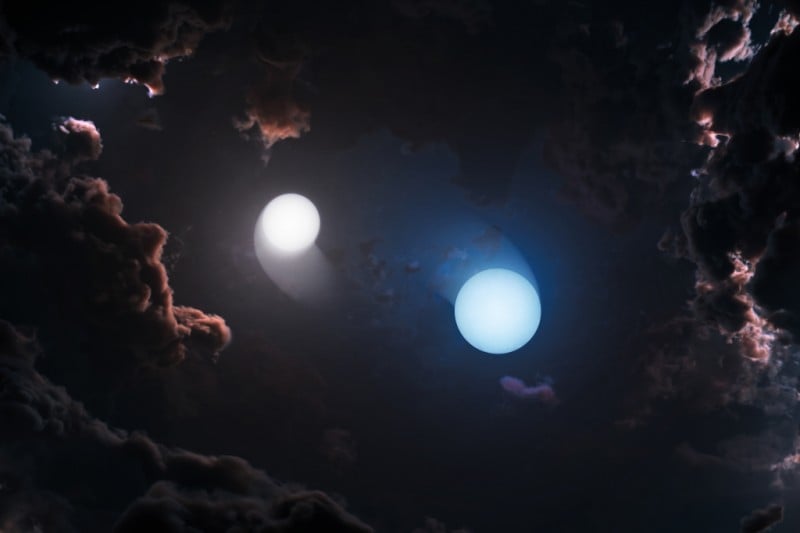
تمكّن فلكيون يستخدمون مصفوفة القاعدة الطويلة جدًا التابعة للمرصد الوطني للفلك الراديوي من قياس كتل نجوم فتية مدفونة داخل سديم أوريون، وهو مكان يحجب فيه الغبار والغاز المراحل المبكرة من تشكّل النجوم عن الرؤية البصرية. وركّز العمل على نظامين ثنائيين فتِيَّين، Brun 656 و HD 294300، واستخدم رصدًا راديويًا عند 5 غيغاهرتز لاختراق المادة المعتمة.
وهذا أكثر من مجرد إنجاز تقني. فكتلة النجم تُعد إحدى أهم الخصائص في الفيزياء الفلكية لأنها تؤثر بقوة في تطوّر النجم، وسطوعه، وعمره، والبيئة المحيطة به. لكن الأنظمة الفتية المغمورة تكون صعبة القياس على نحو خاص. فمادة الميلاد التي تحيط بها تحجب الضوء المرئي، وقد تجعل القياسات عالية الدقة صعبة بالوسائل التقليدية.
يُعد سديم أوريون مختبرًا مثاليًا، وإن كان صعبًا، لهذه المشكلة. فعلى بُعد يقارب 400 فرسخ فلكي، أو نحو 1300 سنة ضوئية، يُعد واحدًا من أقرب مناطق تشكّل النجوم الكبرى إلى الأرض. وهو يضم نجومًا في مراحل شبابية متعددة، من نجوم ضخمة حارة إلى أقزام بنية وأعداد كبيرة من الأجرام النجمية الفتية التي ما تزال تخرج من سحبها الولادية. هذا التنوع يجعل أوريون محوريًا لفهم كيفية تشكّل النجوم والأنظمة الكوكبية، لكنه يعني أيضًا أن كثيرًا من الأجسام الأحدث عهدًا تظل صعبة الدراسة مباشرة.
لماذا كانت VLBA الأداة المناسبة
تنبع ميزة VLBA من كل من الطول الموجي والدقة. فعند 5 غيغاهرتز، يصبح الغبار شفافًا بدرجة كافية لتمر الموجات الراديوية، ما يسمح للفلكيين بمراقبة أنظمة لا تستطيع التلسكوبات البصرية رؤيتها بوضوح. كما تمنح المصفوفة كاملةً دقة زاوية عالية جدًا، وهي أمر حاسم لفصل الأزواج الثنائية المتقاربة وتتبع حركتها المدارية بدقة.
وقد أتاح هذا المزيج للفريق حساب كتل النجوم بدقة عالية. ووصف الباحث الرئيس سيرخيو أبراهام دزيب كويخانو من معهد ماكس بلانك لعلم الفلك الراديوي الكتلة النجمية بأنها الخاصية الأكثر أساسية للنجم، مشيرًا إلى صعوبة قياسها في الأنظمة الفتية المغمورة. ويغير القياس الفلكي الراديوي هذا الواقع بجعل الأنظمة المدفونة قابلة للقياس بدلًا من مجرد قابلة للرصد.
وتُعد الأنظمة الثنائية ذات قيمة خاصة لهذا النوع من العمل لأن الحركة المتبادلة بين النجمين تحمل معلومات عن الكتلة. فإذا تمكن الفلكيون من تمييز المدار بدقة كافية، استطاعوا استنتاج مقدار المادة التي يحتويها كل جسم. وهكذا يتحول زوج خفي ومغبّر إلى معيار كمي لنظرية تشكّل النجوم.
يبقى أوريون واحدًا من أهم مشاتل الفيزياء الفلكية
نادراً ما يحدث تشكّل النجوم في عزلة. إذ يحتوي أوريون على تجمعات من النجوم، وكثير منها في أنظمة ثنائية أو ثلاثية أو عناقيد صغيرة. ويساعد تحديد كتلها الباحثين على أكثر من مجرد تصنيفها؛ فهو يساعد على تحديد مرحلتها التطورية، ومقارنتها بمسارات التشكّل النظرية، وتقييم الظروف التي قد تظهر فيها الأقراص المحيطة بها والكواكب لاحقًا.
وهذا مهم بشكل خاص للأنظمة الأحدث عمرًا، التي غالبًا ما تحتفظ بمعلومات عن المراحل الأولى من الانهيار والتراكم والنشاط المغناطيسي. ويشير النص الأصلي إلى أن الرصد الراديوي يمكنه أيضًا الكشف عن دلائل على الحقول المغناطيسية والنشاط، ما يجعل هذه الطريقة مفيدة بما يتجاوز التصوير البسيط. ففي المناطق المغمورة، تستطيع الفلك الراديوي استعادة البنية والحركة والسلوك الفيزيائي الذي تكافح الأطوال الموجية الأخرى لالتقاطه.
وتكتسب هذه النقطة أهمية لأن كثيرًا من نماذج تطور النجوم تعتمد على نقاط مرجعية مضبوطة جيدًا. فإذا كانت كتل النجوم الفتية غير مؤكدة، أصبحت التفسيرات اللاحقة للعمر واللمعان وتطور الأقراص أقل ثباتًا. لذلك فإن قياسات أجسام مثل Brun 656 و HD 294300 تحسّن الإطار الأوسع المستخدم لتفسير تجمعات النجوم الفتية.
الأنظمة الخفية لم تعد بعيدة المنال
تكمن الأهمية الأعمق للنتيجة في منهجيتها. فأوريون يعج بأجسام نعلم بوجودها لكن يصعب توصيفها لأنها ما تزال ملفوفة في مادة ميلادها. وإثبات أن مصفوفة راديوية يمكنها إنتاج قياسات دقيقة للكتلة في الأنظمة الثنائية المحتجبة يفتح طريقًا لدراسة الكثير غيرها.
وقد يؤدي ذلك إلى توسيع أحجام العينات للنجوم الفتية المغمورة، وإلى تحسين المقارنات بين أنواع مختلفة من بيئات تشكّل النجوم. كما قد يساعد على توضيح مدى شيوع بعض البنى الثنائية عند الميلاد، وكيف تتوزع الكتل النجمية الأولية، وكيف تؤثر الظروف الابتدائية في تشكل الكواكب لاحقًا.
في علم الفلك، يأتي التقدم غالبًا ليس فقط من العثور على أجسام جديدة، بل من تحسين الدقة التي تُقاس بها الأجسام المعروفة. وتقع هذه النتيجة في أوريون ضمن هذه الفئة تمامًا. فقد كانت النجوم موجودة طوال الوقت، لكن ما تغيّر هو القدرة على قياسها بثقة عبر الغبار الذي كان يخفيها.
إحصاء أفضل لمرحلة الطفولة النجمية
ظل سديم أوريون طويلًا بمثابة فصل دراسي طبيعي لتشكّل النجوم، لكن بعض أفراده الأصغر سنًا بقيت جزئيًا خارج المتناول. ومع الرصد الراديوي عالي الدقة، يتقلص هذا العمى التدريجي. إن قياس كتل الأنظمة الثنائية المغمورة يعزز السجل الفيزيائي للمنطقة ويحسن المادة الخام التي يستخدمها الفلكيون لاختبار الأفكار حول كيفية تجمّع النجوم وتطورها.
ومع استمرار المرافق الراديوية في صقل هذه الأساليب، فالنتيجة المرجحة هي صورة أكثر اكتمالًا لمرحلة الطفولة النجمية، صورة لا تشمل فقط الأجسام الساطعة والمكشوفة، بل أيضًا الأنظمة الخفية التي ما تزال في شرنقة الغاز والغبار الذي ولدت منه. وهناك، تحديدًا، تقع كثير من أكثر مراحل ولادة النجوم إفادة، وهناك تجعل أدوات مثل VLBA ما كان غير مرئي قابلًا للقياس.
لماذا تهم هذه القصة
- قاست VLBA كتل نجوم فتية محتجبة في سديم أوريون عبر الرصد عند 5 غيغاهرتز.
- تُعد الكتلة خاصية نجمية أساسية، لكنها صعبة التحديد على نحو خاص في الأنظمة الفتية المغمورة.
- قد تتيح هذه الطريقة دراسة أكثر دقة للعديد من أنظمة تشكّل النجوم المغطاة بالغبار.
هذه المقالة مبنية على تقرير من Universe Today. اقرأ المقال الأصلي.
Originally published on universetoday.com