Meta Quietly Removes Face-Recognition Code from Smart Glasses App
Meta has quietly removed a dormant facial recognition algorithm from the companion app for its smart glasses, just one day after the code was discovered by Wired. The code, internally dubbed "Name Tag," was found in the Meta AI app that handles core features of the glasses, including Bluetooth pairing with a user's phone. The discovery has reignited debates about privacy and the ethical boundaries of wearable technology.
Discovery and Removal
Wired reported uncovering the suspicious code on June 4, 2026, while reviewing the Meta AI app. The code contained algorithms that could convert photos of faces into biometric identifiers stored on-device, cross-referencing them with each new facial scan. On June 5, an update was released that removed the code entirely. Meta vice president of communications Andy Stone stated that the feature was only a pilot effort and that the company had not made a "final decision on what to do here, if anything." However, the fact that Meta employees wrote, reviewed, and shipped that code in a live product suggests more than a casual experiment.
Functionality and Intent
The workings of the tool suggest it might have been intended to help users identify people they had previously met—a convenient feature for forgetful individuals but also a deeply invasive solution. The idea of a face-mounted camera harvesting biometric data from every passerby raises significant privacy concerns. In February 2026, The New York Times reported that Meta was working to bring facial recognition to its glasses, and the internal moniker "Name Tag" was mentioned at that time. The code discovered by Wired was likely the fruit of those efforts.
Privacy and Ethical Concerns
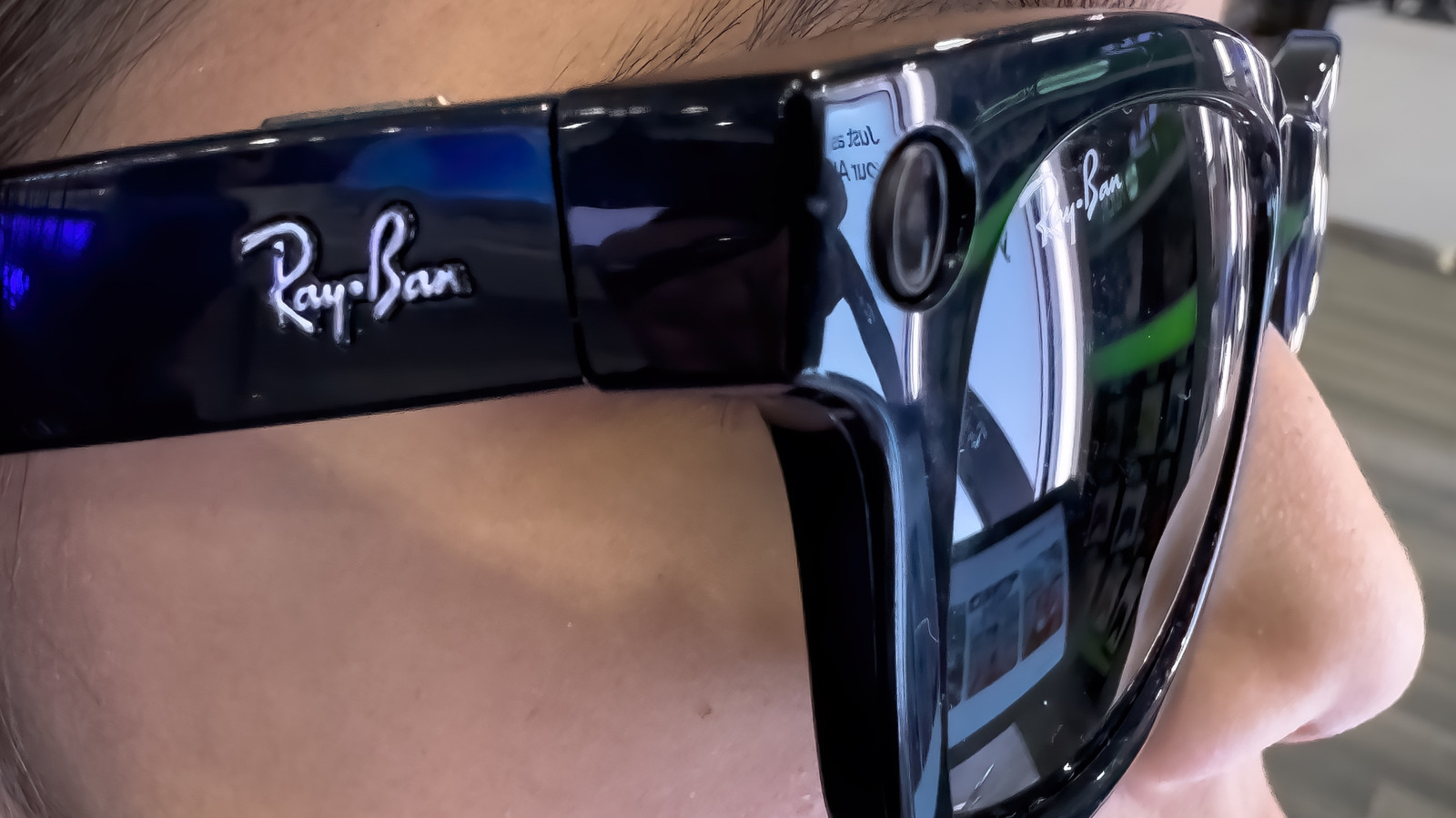
Meta's smart glasses, made in partnership with Luxottica brands such as Ray-Ban and Oakley, are already raising hackles. Manosphere-adjacent social media influencers have been using them to harass and record women. In December 2025, a woman was accused of breaking a man's Meta glasses on the New York City subway. In March 2026, Meta faced a class action lawsuit after a Swedish newspaper investigation revealed that Kenyan workers were reviewing footage from the smart glasses—including sexual intimacy and bathroom use—apparently taken without the owners' knowledge.
Most people would likely prefer someone simply admit to forgetting their name rather than have their likeness ingested by a face-mounted camera. The removal of the code may be a strategic retreat, but the underlying capabilities remain a cause for concern.
Broader Implications
This incident highlights the ongoing tension between innovation and privacy in the tech industry. As wearable devices become more sophisticated, the potential for misuse grows. Meta's quiet removal of the code suggests an awareness of the backlash such features could provoke, but the company's history of privacy controversies means that trust remains fragile. The smart glasses market is still nascent, and how companies like Meta navigate these issues will shape public perception and regulation.
In conclusion, Meta's removal of the face-recognition code is a step back from a potentially invasive feature, but it does not erase the fact that the capability was developed and deployed in a live product. Users and regulators will be watching closely to see what Meta does next.
This article is based on reporting by Engadget. Read the original article.
Originally published on engadget.com