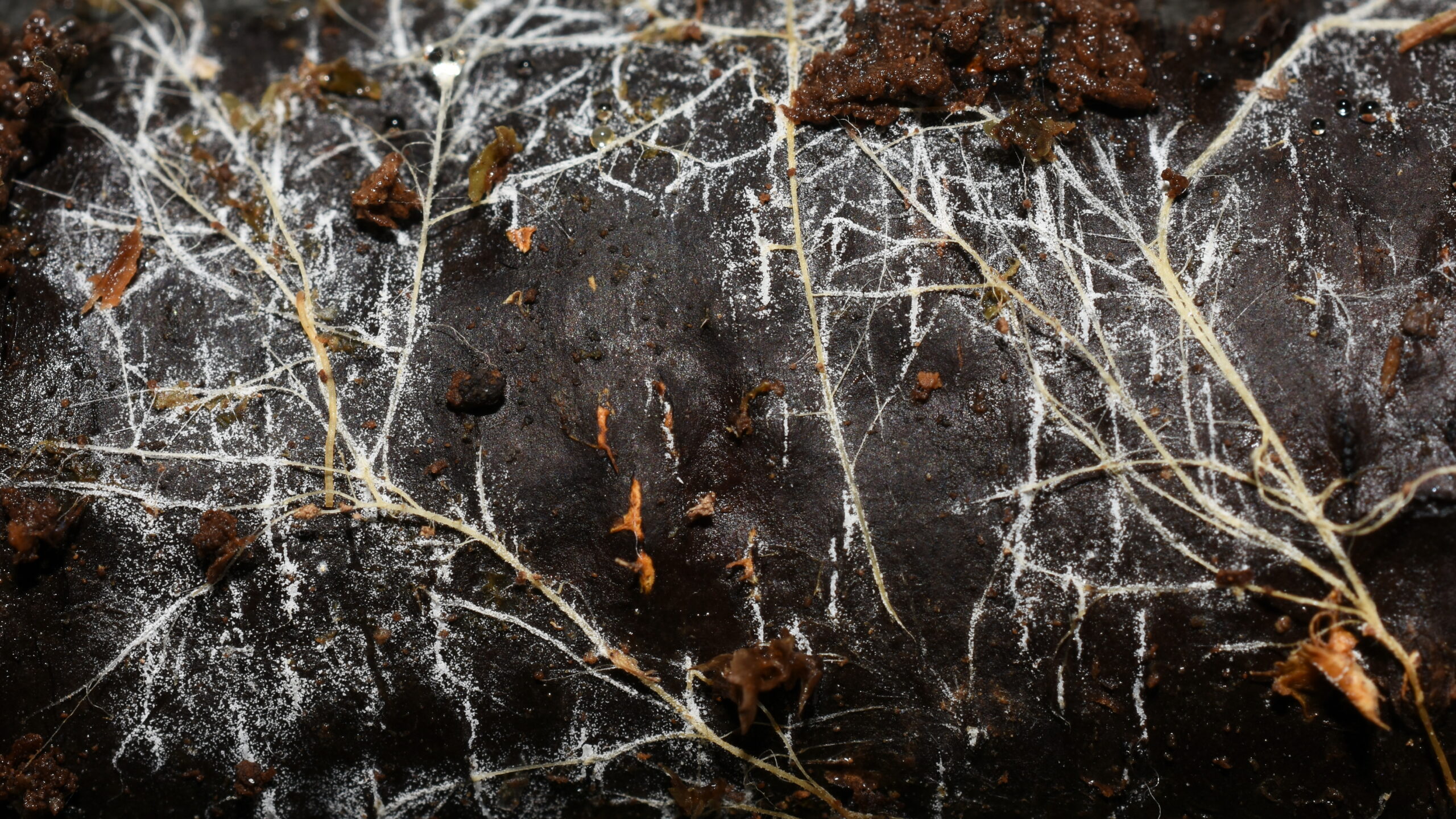
النظام تحت الأرض أسفل معظم الحياة النباتية
أنتج الباحثون ما يمكن وصفه بخريطة عالمية لأحد أقل الأنظمة البيولوجية على كوكب الأرض ظهورًا لكنه من أكثرها تأثيرًا: شبكات الفطريات الجذرية الشجرية. ووفقًا للدراسة الموصوفة في النص المصدر المرفق، تمتد هذه الخيوط الرقيقة للغاية تحت الأرض لمسافة إجمالية تبلغ 110 كوادريليون كيلومتر حول العالم، وهو رقم يراد به أقل الاستعراض وأكثر قياس الامتداد الكوكبي.
تكوّن هذه الفطريات علاقات تكافلية مع جذور نحو 80 في المئة من أنواع النباتات في العالم. وفي مقابل الكربون الذي تحصل عليه من النباتات، تساعد في إيصال عناصر غذائية مثل الفوسفور والنيتروجين. وتشير أبحاث سابقة ورد ذكرها في المصدر إلى أن هذه الشبكات تعزل نحو مليار طن من الكربون تحت الأرض كل عام. ولو لم يكن هذا الكربون مخزنًا هناك، لساهم جزء أكبر منه في الاحترار الجوي.
من معرفة وجودها إلى معرفة أماكنها
لطالما أدرك العلماء أن هذه الفطريات واسعة الانتشار، لكن العمل الجديد يذهب أبعد من ذلك عبر تقدير توزيعها العالمي وكتلتها وكثافتها. وقد جمعت الدراسة، التي قادتها جمعية حماية الشبكات تحت الأرض، أو SPUN، بين مراجعة الأدبيات والعيّنات العالمية للتربة والتعلم الآلي والاختبارات المعملية لبناء صورة كوكبية لمواضع تركز هذه الأنظمة ومواقع فقدانها.
هذا الانتقال من المفهوم إلى الخريطة يمثل تقدمًا كبيرًا. فمعرفة أن التكافل الفطري تحت الأرض شائع شيء، وتحديد المشاهد الطبيعية التي تكون فيها كثافته عالية على نحو خاص، والمناطق التي خففتها الأنشطة البشرية، والأماكن التي قد تحقق فيها الحماية أو الاستعادة أكبر عائد بيئي، شيء آخر.

ما الذي توحي به الخريطة
يقول النص المصدر المرفق إن الشبكات شديدة الكثافة خصوصًا في بعض الأراضي العشبية، وإنها تتعرض للفقدان في المناطق الزراعية. وتكتسب هذه المقابلة أهمية لأنها تربط بنية تحتية بيولوجية غير مرئية بقرارات استخدام أرض مرئية. فلهذه الزراعة فوائد واضحة، لكن طريقة ممارستها قد تؤدي أيضًا إلى تبسيط الشراكات تحت السطح أو تعطيلها، وهي الشراكات التي تساعد النباتات على الوصول إلى المغذيات وتدعم الأداء الطويل الأجل للتربة.
والدلالة هنا ليست أن كل الزراعة مدمرة بطبيعتها، بل إن تحويل الأراضي يخلّف آثارًا تحت الأرض يسهل تجاهلها لأنها صعبة الرصد المباشر. أما الخريطة العالمية فتجعل من الأصعب التعامل مع هذه الخسائر بوصفها أمرًا مجردًا.
لماذا تهم صلة الكربون
غالبًا ما يركز النقاش العام حول أنظمة المناخ على الغابات والمحيطات والانبعاثات والطاقة. ونادرًا ما تحظى الفطريات الجذرية الشجرية بالقدر نفسه من الاهتمام، رغم أنها منسوجة في إنتاجية النباتات ودورة الكربون في جزء كبير من الغلاف الحيوي الأرضي. وإذا كانت هذه الشبكات تساعد على حبس كميات هائلة من الكربون كل عام، فإن فهم أين تزدهر وأين تتراجع يصبح مهمًا ليس فقط للإيكولوجيا، بل أيضًا لقدرة المناخ على الصمود وسياسات إدارة الأراضي.
وينقل المصدر عن باحثين وصفهم لهذا اللحظة بأنها النقطة التي انتقلت فيها العلوم من مجرد معرفة أن النظام موجود إلى فهم أين يوجد، ومدى كثافته، وأين فُقد. وهذا النوع من المعلومات الأساسية هو ما يحول الفضول البيولوجي إلى شيء قابل للقراءة في تخطيط الحفظ.
بنية تحتية خفية تدخل مجال الرؤية
الصورة التي يحملها كثير من الناس عن النظم البيئية تكاد تكون بالكامل فوق الأرض: أشجار، وأعشاب، وحشرات، وأنهار، وحيوانات كبيرة. ويشير هذا العمل إلى طبقة أخرى من البنية التحتية تحت هذا العالم المرئي، وهي نسيج رابط يساعد على دعم ما يظهر فوقه. وبما أن الفطريات تقيم علاقات وثيقة وواسعة الانتشار مع جذور النباتات، فهي ليست عناصر هامشية، بل جزء من النظام التشغيلي للحياة البرية الأرضية.
وتكمن القيمة العملية لرسمها عالميًا في أنه يمنح الباحثين فرصة لمقارنة كثافة الفطريات مع تحويل الأراضي والتنوع الحيوي والضغوط المناخية عبر الزمن. وحتى إذا جرى تنقيح الأرقام في أعمال لاحقة، فإن المبدأ واضح بالفعل: ما يحدث تحت الأرض على المقاييس المجهرية يمكن أن يتراكم إلى آثار كوكبية.
ولهذا تبرز أهمية الدراسة بما يتجاوز تقدير المسافة اللافت في عنوانها. فالاكتشاف الحقيقي ليس أن الخيوط الفطرية طويلة بصورة يصعب تخيلها، بل أن نظامًا رئيسيًا من أنظمة الأرض، كان يُعامل سابقًا بوصفه منتشرًا ومخفيًا، بدأ يكتسب جغرافيا. وما إن يصبح النظام قابلًا للرسم حتى يصبح قابلًا للتتبع، وحين يصبح قابلًا للتتبع يغدو تجاهله أصعب بكثير.
تعتمد هذه المقالة على تغطية Ars Technica. اقرأ المقال الأصلي.
Originally published on arstechnica.com