Deadly Confusion in the Night Sky
Three U.S. Air Force F-15E Strike Eagles were shot down over Kuwait on March 1, 2026, in what U.S. Central Command confirmed was a friendly fire incident involving Kuwaiti air defense systems. The aircraft were engaged while flying combat missions as part of Operation Epic Fury, the ongoing U.S.-Israeli military operation against Iran.
The incident occurred at approximately 11:03 p.m. ET near Al Jahra, within roughly six miles of Ali Al Salem Air Base in Kuwait. All six aircrew members — each F-15E carries a pilot and a weapon systems officer — successfully ejected and were recovered in stable condition. The absence of fatalities in such a catastrophic event represents a measure of fortune amid what is otherwise a deeply troubling breakdown in combat identification procedures.
Chaos of a Multi-Front Air War
The friendly fire incident unfolded during one of the most complex aerial environments seen in decades. Iranian aircraft, ballistic missiles, and drones were actively engaging targets across the region, creating a threat picture that air defense operators had to process in real time. In that environment, distinguishing friendly aircraft from hostile ones becomes both critical and extraordinarily difficult.
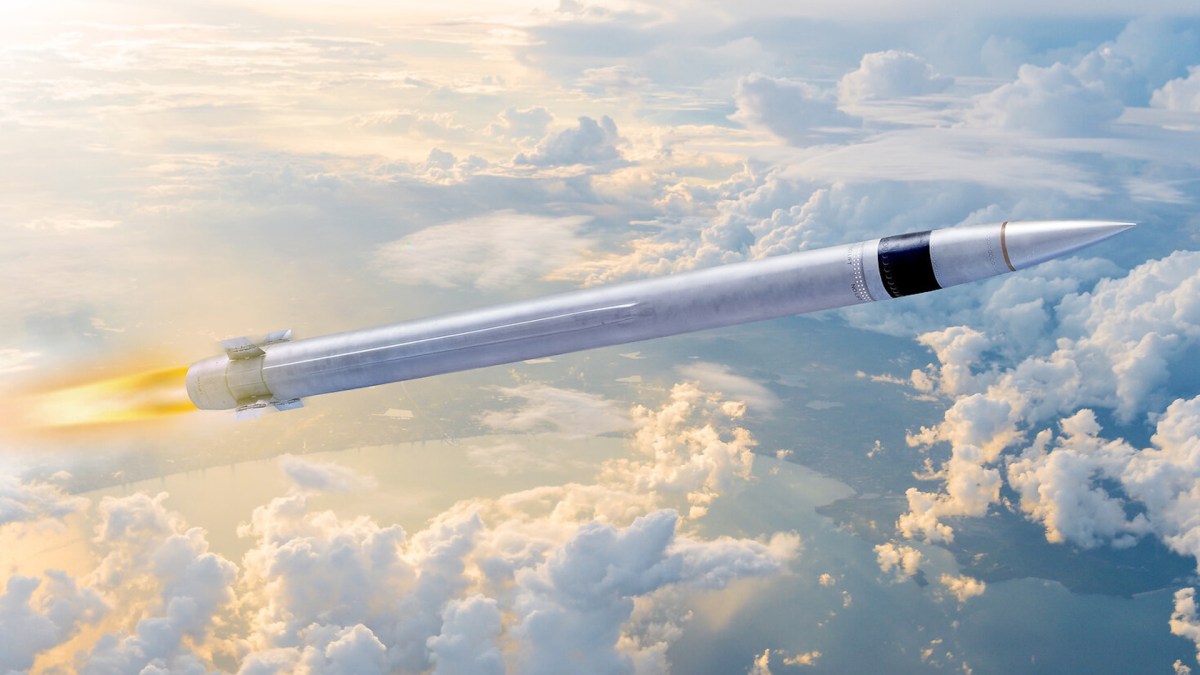
Air Force General Dan Caine confirmed that the shootdowns were not the result of hostile enemy fire, stating unequivocally that Kuwaiti air defenses were responsible. The specific weapon system used has not been publicly identified, though Kuwait operates a mix of Western-supplied air defense systems including Patriot batteries and HAWK systems.
The fog of war is a well-documented phenomenon, but the loss of three frontline strike aircraft to allied air defenses in a single incident is a magnitude of friendly fire rarely seen in modern conflicts. The last comparable incident involving U.S. aircraft lost to allied fire occurred during the 2003 invasion of Iraq, when a Patriot battery shot down a Navy F/A-18C Hornet.
The F-15E Strike Eagle
The F-15E is the Air Force's premier dual-role strike fighter, capable of conducting both air-to-air combat and precision ground attack missions. Each aircraft represents a substantial investment — current replacement costs exceed $100 million per airframe — and the loss of three in a single night represents a significant material blow alongside the human cost.
More importantly, the Strike Eagle community is a relatively small force within the broader Air Force structure. Losing three aircraft and temporarily losing six experienced crew members from the fight degrades combat capability at precisely the moment when sustained strike operations demand maximum availability.
Kuwait Responds
The Kuwaiti government acknowledged the incident and committed to a joint investigation with the United States to determine the precise chain of events that led to the shootdowns. The diplomatic implications are significant — Kuwait has been a key U.S. ally in the Gulf region since the 1991 liberation, and American forces operate extensively from Kuwaiti territory.
The investigation will likely examine several factors: the identification friend-or-foe systems aboard the aircraft, the rules of engagement governing Kuwaiti air defense operations during the conflict, communication protocols between coalition partners, and whether the chaotic threat environment contributed to misidentification.
Historical Context of Friendly Fire
Friendly fire incidents, while tragic, are a persistent feature of modern warfare. The speed at which decisions must be made — often measured in seconds when an air defense radar detects an incoming contact — leaves minimal margin for error. Air defense operators must weigh the catastrophic consequences of letting a hostile missile or aircraft through against the risk of engaging a friendly platform.
During the 1991 Gulf War, friendly fire accounted for a significant percentage of coalition casualties. The 2003 Iraq invasion saw similar incidents, including the Patriot battery engagement that killed a Navy pilot. Each incident prompted reviews and procedural changes, yet the fundamental challenge of positive identification in a contested environment persists.
The current conflict presents particularly acute identification challenges. With Iranian drones, cruise missiles, and ballistic missiles potentially approaching from multiple vectors, and with allied aircraft operating at high tempo across the same airspace, the conditions for misidentification were tragically ripe.
Implications for the Campaign
Beyond the immediate loss of aircraft and the fortunate survival of the crews, the incident raises operational questions about coordination between U.S. and partner forces during high-intensity combat. Coalition warfare demands seamless integration of air defense networks, shared situational awareness, and rigorous identification procedures — all of which must function under extreme pressure.
The joint investigation will need to produce actionable recommendations quickly, as combat operations continue and the risk of further incidents remains as long as allied aircraft and air defense systems operate in close proximity under combat conditions.
This article is based on reporting by twz.com. Read the original article.
Originally published on twz.com