BMW Keeps Hydrogen in the Conversation
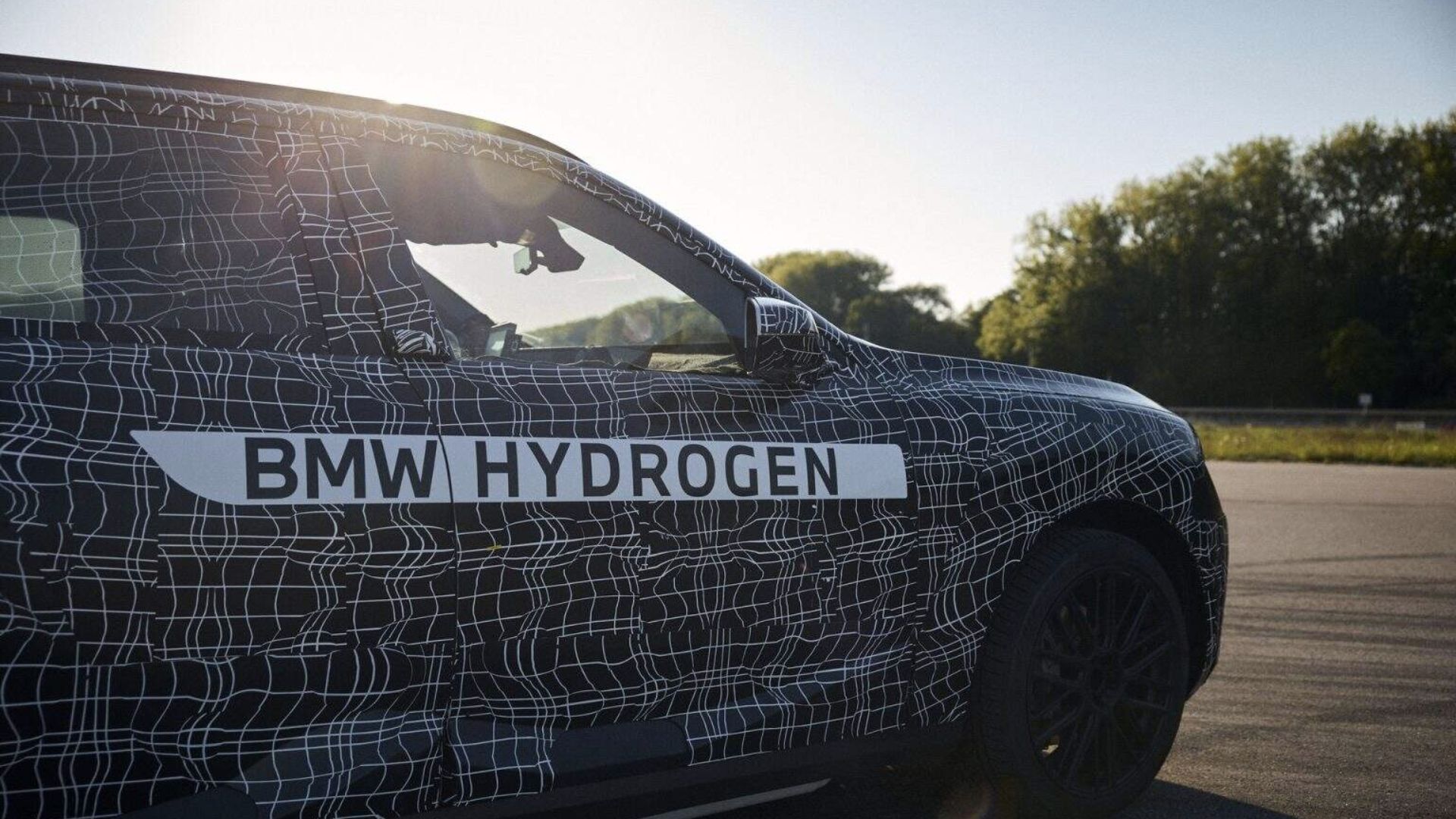
Battery-electric vehicles dominate most discussions about decarbonized road transport, but they are not the only path being pursued by major automakers. A new report from Interesting Engineering highlights BMW’s continued work on hydrogen mobility through the iX5 Hydrogen, describing a vehicle integrated with high-pressure hydrogen chambers and citing a claimed range of 466 miles. The report’s excerpt also frames the effort as part of BMW’s broader alternative-fuel strategy.
That matters because hydrogen passenger vehicles have spent years in an awkward middle ground. They are not new enough to be dismissed as a lab concept, but not established enough to be considered mainstream. Infrastructure gaps, cost, and competition from rapidly improving battery platforms have all limited adoption. Even so, the idea continues to attract interest for use cases where quick refueling and long range remain especially valuable.
Why BMW’s Strategy Still Matters
BMW’s iX5 Hydrogen program is notable less because hydrogen cars are suddenly surging into the market and more because a major global manufacturer keeps investing engineering resources in the category. Large automakers generally do not preserve programs indefinitely unless they see at least a strategic option value in doing so. That can include technical learning, supply-chain positioning, regulatory flexibility, or a hedge against battery constraints in some markets.
The report points specifically to high-pressure hydrogen storage integrated into the vehicle. That detail is central to hydrogen transport because onboard storage is one of the defining engineering challenges in fuel-cell cars. Vehicles need enough hydrogen density to deliver useful driving range while maintaining safety, weight, and packaging targets that work in a road-going product. A 466-mile figure, if achieved in real use conditions comparable to certification standards, would place the vehicle in the range conversation that still strongly influences consumer perceptions.
Long range by itself does not solve the sector’s larger problem, which is network availability. Hydrogen vehicles depend on refueling infrastructure that remains limited in most regions. Without dependable station buildout, even technically capable cars struggle to scale. That is one reason hydrogen has often looked more promising in heavier-duty transport segments than in mass-market passenger cars.
Hydrogen’s Role in a Mixed Powertrain Future
The most important takeaway from the BMW update is not that hydrogen is replacing batteries. Nothing in the available material supports that conclusion. Instead, the story reinforces a more incremental view of the transport transition: multiple propulsion systems are still being tested in parallel, with manufacturers trying to match technologies to different operating needs.
Fuel-cell vehicles have a set of theoretical advantages. Fast refueling can resemble conventional fueling behavior more closely than plug-in charging. High range can reduce anxiety around longer-distance use. In some fleet environments, centralized fueling can also simplify operations. Those arguments help explain why hydrogen remains attractive as a strategic technology even when battery-electric vehicles lead in deployment.
BMW’s continued advancement of the iX5 Hydrogen therefore reads as a signal that the company sees value in maintaining optionality. Carmakers are operating in a period shaped by uncertain charging buildout, volatile raw-material supply chains, changing emissions rules, and uneven regional energy systems. In that context, alternative-fuel development is not simply about immediate volume sales. It is also about preserving flexibility for a transport market that may not converge on a single answer everywhere at the same pace.
What This Story Does and Does Not Show
Based on the supplied candidate material, the clearest supported points are narrow but meaningful: the vehicle is associated with BMW’s iX5 Hydrogen program, the design reportedly uses high-pressure hydrogen chambers, the cited range is 466 miles, and the effort is framed as part of BMW’s alternative-fuel strategy. Those elements are enough to show that hydrogen passenger mobility is still receiving serious industrial attention.
What the available text does not establish is equally important. It does not provide pricing, launch timing, production scale, efficiency metrics, infrastructure partnerships, or broader commercial commitments. It also does not demonstrate that hydrogen passenger vehicles are about to break through into large-scale consumer adoption. The bigger market case remains unresolved.
Still, strategic persistence from established manufacturers can shape industry direction over time. Even limited production programs can mature subsystems, improve storage designs, test customer behavior, and influence policy or fueling investment. If BMW continues to refine hydrogen systems while competitors deepen battery-electric offerings, the eventual market may become more segmented rather than less.
For now, the iX5 Hydrogen story is best read as evidence that the transition away from combustion is still technologically plural. Batteries are leading, but hydrogen has not been ruled out. When a major German automaker continues to advance a long-range fuel-cell vehicle, it is a reminder that transport innovation is still wide open in important corners of the market.
This article is based on reporting by Interesting Engineering. Read the original article.
Originally published on interestingengineering.com