قد تحصل حالة عدم اليقين الطويلة بشأن تخزين البطاريات أخيرًا على جدول زمني
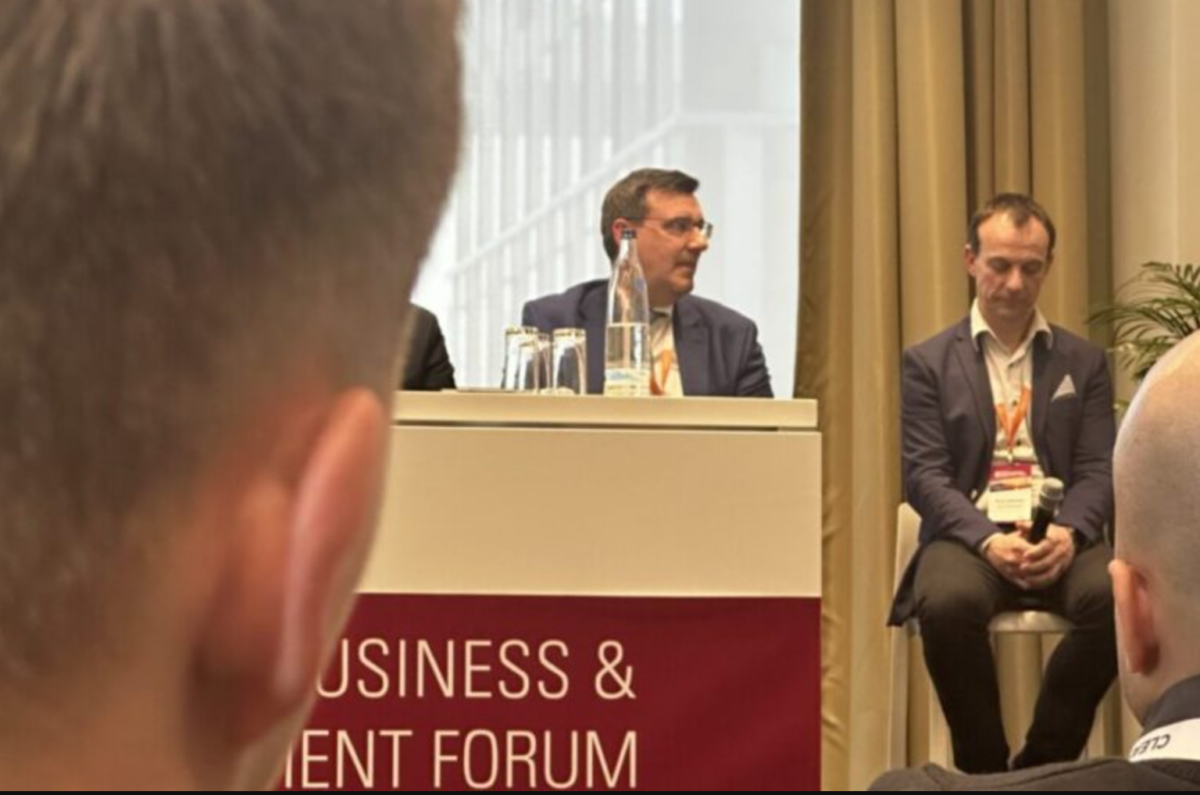
تستعد وكالة الشبكة الاتحادية الألمانية، Bundesnetzagentur، لنشر إطار أولي لرسوم الشبكة المستقبلية لأنظمة تخزين الطاقة بالبطاريات في أواخر مايو أو أوائل يونيو 2026، وذلك وفقًا لمناقشات نُقلت عن منتدى Battery Business & Development Forum في فرانكفورت. وبالنسبة لقطاع التخزين الذي ينتظر الوضوح التنظيمي، فإن هذا يعد أحد أهم الإشارات القريبة المدى حتى الآن.
المسألة بسيطة في صياغتها لكنها صعبة في تسعيرها. يريد المطورون والمستثمرون معرفة ما إذا كان إعفاء تخزين البطاريات من رسوم الشبكة في ألمانيا سينتهي، ومتى قد ينتهي، وكيف ستؤثر أي بنية بديلة في اقتصاديات المشاريع. وإلى أن تصبح هذه الإجابات أوضح، ستظل نمذجة الإيرادات لمشاريع التخزين معرضة لعدم اليقين التنظيمي.
تذكر PV Magazine أن هذا الموضوع هيمن على النقاش في الحدث السنوي الثاني لـ BBDF، حيث كان العديد من الحاضرين قد أمضوا شهورًا في انتظار تحديث. وقد قدّم كارستن بورويغ من Bundesnetzagentur جوابًا جزئيًا على الأقل: من المتوقع الآن إطار أولي للتصميم المستقبلي في أواخر الربيع. وهذا لا يحسم السياسة، لكنه يبدأ في تحويل الشائعات والانتظار إلى عملية تنظيمية محددة.
لماذا يهم التوقيت
يتحرك سوق التخزين في ألمانيا من مرحلة التسارع المبكر إلى مرحلة أكثر أهمية من الناحية الهيكلية. أصبحت البطاريات عنصرًا محوريًا بشكل متزايد في إدارة توليد الطاقة المتجددة، وازدحام الشبكة، والمرونة، وتحويل القيمة عبر الزمن. وهذا يجعل تصميم رسوم الشبكة أكثر من مجرد مسألة تعريفة متخصصة. إنه جزء من كيفية قرار البلاد دمج التخزين في نظام الكهرباء الأوسع.
يربط التقرير الإطار القادم بعملية AgNes الأوسع، وهي العمل الجاري على نظام رسوم الشبكة العامة للكهرباء في ألمانيا. عمليًا، يعني ذلك أن مطوري التخزين لا يبحثون فقط عن استثناء خاص بالقطاع، بل يحاولون فهم كيف ستندمج البطاريات في بنية رسوم الشبكة المستقبلية مع تطور النظام.
هذا الغموض يؤثر مباشرة في العوائد. فإذا واجه مشغلو التخزين رسوم شبكة جديدة أو أعلى من دون آليات سوقية تعويضية، فقد تتغير اقتصاديات المشروع بشكل ملموس. أما إذا صُممت القواعد لتعكس قيمة المرونة التي توفرها البطاريات، فقد يكون الأثر أكثر إيجابية. وحتى الآن، ينتظر السوق الإطار لمعرفة الاتجاه الذي تميل إليه السياسات.

ما الذي تراقبه الصناعة
أحد الأسئلة المحورية هو كيفية تفاعل رسوم الشبكة مع اتفاقات الربط المرنة والاستراتيجيات التشغيلية. غالبًا ما يبني مطورو التخزين حالاتهم التجارية على إيرادات متعددة المصادر، ومزايا التوقيت، والقدرة على الاستجابة ديناميكيًا للأسعار وظروف الشبكة. وأي تصميم للرسوم يتجاهل هذه الحقائق قد يشوه الاستثمار. أما التصميم الأذكى فيمكنه المساعدة على مواءمة نشر التخزين مع احتياجات النظام.
تكمن أهمية الوثيقة القادمة جزئيًا فيما ستشير إليه، وليس فقط فيما ستحسمه. فالإطار الأولي يخبر المقرضين والمطورين والمشغلين بالاتجاه الذي يعتقد المنظم أن النظام يسير نحوه. وفي أسواق تتشكل بقدر ما بفعل بنية السياسات وبقدر ما بفعل تكلفة التكنولوجيا، فإن الاتجاه لا يقل أهمية تقريبًا عن الرقم النهائي.
وهذا ينطبق بشكل خاص على ألمانيا، حيث أصبحت قرارات الاستثمار في التخزين تجلس إلى جانب نقاشات أوسع حول تحديث الشبكة، ودمج الطاقة المتجددة، والقدرة التنافسية الصناعية. يمكن لأنظمة البطاريات أن تساعد في حل عدة مشكلات في وقت واحد، لكن ذلك لا يتحقق إلا إذا لم تفرض اللوائح احتكاكًا يمكن تجنبه.
الخلاصة الرئيسية من فرانكفورت
- تقول Bundesnetzagentur إن إطارًا أوليًا لرسوم شبكة BESS سيصدر في أواخر مايو أو أوائل يونيو 2026.
- يسعى المطورون إلى وضوح بشأن مستقبل إعفاءات رسوم الشبكة والعوائد طويلة الأجل للمشاريع.
- سيؤثر هذا المسار في كيفية اندماج تخزين البطاريات في نظام رسوم شبكة الكهرباء المتطور في ألمانيا.
لا يزيل هذا الإعلان حالة عدم اليقين بعد. لكنه يوضح انتقالًا في الموقف من الانتظار إلى الجدولة الزمنية. وبالنسبة لقطاع يعتمد على قابلية التنبؤ التنظيمي بقدر اعتماده على الجاهزية التقنية، فإن ذلك يمثل تقدمًا ذا معنى. ستساعد خطوة ألمانيا المقبلة في تحديد ليس فقط اقتصاديات التخزين، بل أيضًا السرعة التي يمكن أن تتوسع بها البطاريات كبنية تحتية أساسية للشبكة.
هذا المقال مستند إلى تغطية PV Magazine. اقرأ المقال الأصلي.
Originally published on pv-magazine.com




