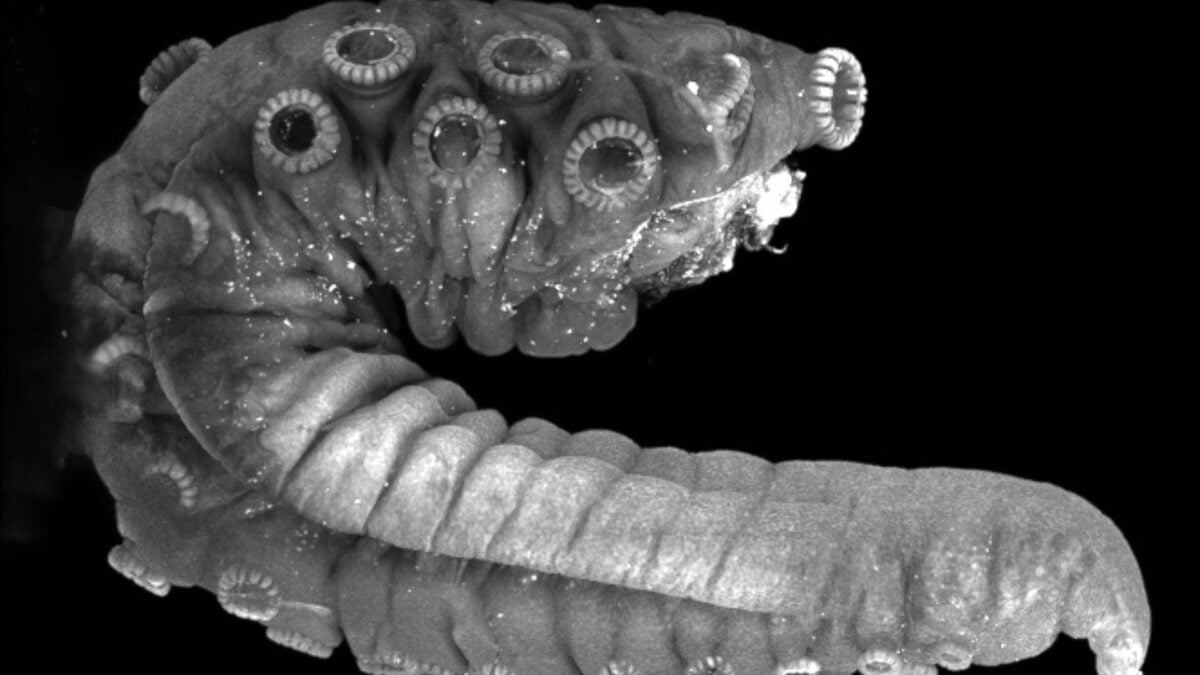
Octopus mating anatomy proves more sophisticated than expected
A new study from researchers at Harvard University and other institutions has found that the male octopus’s specialized mating arm, known as the hectocotylus, is more than a delivery mechanism for sperm. According to the supplied source text, it also functions as a sensory organ that can chemically detect where sperm needs to be deposited inside the female.
The finding adds a new layer to scientists’ understanding of octopus reproduction and may help explain broader evolutionary patterns across the group’s many species.
What researchers observed
The team studied mating in California two-spot octopuses. One practical challenge was that octopuses are solitary and territorial animals that can fight or kill each other when kept together. To work around that, the researchers used a temporary barrier that separated a male and female while allowing limited interaction.
That setup led to an unexpected observation. According to senior study author Nicholas Bellono, the male extended its hectocotylus through the holes in the barrier, located the female, inserted the arm into her mantle, found the oviduct and began mating, all without full body contact. These interactions could last for hours and be repeated over multiple days.
The result suggested that the arm was doing far more than simply delivering a spermatophore. It appeared capable of sensing and navigating its way to the correct internal target.
A reproductive organ with sensory function
The supplied source text says researchers discovered that the hectocotylus can chemically detect exactly where in the female’s body the sperm has to go. That makes it both a reproductive and sensory organ. Bellono described the work as identifying sensory receptors as molecular hotspots for investigating reproductive isolation and speciation.
That point matters because it links anatomy and behavior to larger evolutionary questions. If reproductive success depends in part on highly specialized sensory recognition, differences in those systems could help separate populations and contribute to the emergence of distinct species over time.
Why this is notable in octopuses
Scientists have long known the hectocotylus is central to octopus mating. In some species, it can even break off inside the female. But the new research reframes the appendage as an active sensory tool rather than a passive conduit.
That interpretation also fits octopus biology more broadly. Octopuses are already known for sophisticated sensorimotor abilities, flexible behavior and unusual body control. This study extends that picture into reproduction, showing that the same kind of biological inventiveness may be operating during mating.
The source text also notes that males could mate with minimal visual input and even in complete darkness, reinforcing the idea that chemical and tactile sensing are doing critical work.
What the discovery could mean
The findings illuminate a specific reproductive mechanism, but they also point toward a larger research direction. If sensory receptors on reproductive structures shape whether mating succeeds, they may influence reproductive isolation between closely related species. That would make them important not just for understanding one behavior, but for explaining biodiversity.
The researchers therefore present the hectocotylus as a window into both octopus behavior and evolutionary biology. The study does not just answer how sperm is delivered. It begins to answer how an anatomically unusual organ may help solve a difficult biological problem with precision.
A closer look at a familiar mystery
Octopuses are often described as mysterious, and mating has been one of the harder behaviors to study directly. The barrier-based setup described in the source text gave researchers a rare way to observe repeated interactions while limiting aggression. That methodological detail is important because it enabled the discovery.
The result is a clearer account of how male octopuses can safely and accurately mate even under constrained conditions. Rather than stumbling toward the right location, the hectocotylus appears able to sense its target.
That finding is both specific and striking: one of the animal kingdom’s strangest reproductive tools turns out to be smarter, in a sensory sense, than scientists had appreciated.
This article is based on reporting by Gizmodo. Read the original article.
Originally published on gizmodo.com