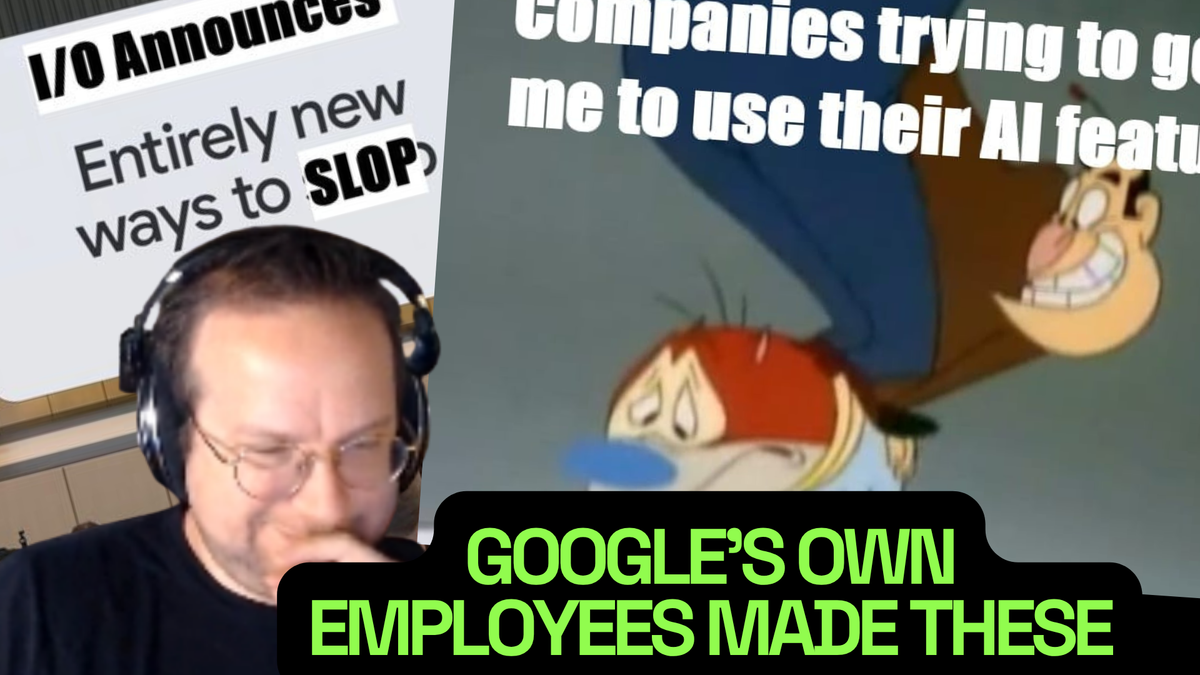
Google Employees Turn to Memes to Critique Their Own AI
Internal memes circulating among Google employees have become a surprising outlet for frustration over the company's artificial intelligence products. According to a report by 404 Media, staffers are sharing jokes and satirical images that highlight perceived shortcomings in Google's AI systems. The memes, which have been posted on internal forums and chat platforms, often poke fun at the inconsistency and lackluster performance of the company's AI tools. One recurring theme is the contrast between Google's ambitious AI announcements and the actual user experience, which employees feel falls short of expectations.
The memes reportedly include references to specific AI failures, such as incorrect search results, awkward chatbot responses, and features that seem half-baked. While Google has publicly touted its AI advancements, the internal sentiment suggests a more critical view from those who build and test these systems daily. The memes serve as a coping mechanism for employees who are aware of the technology's limitations but are expected to present a polished image to the world.
Microsoft's Internal Documents Reveal Goal to 'Make People Addicted' to AI Assistant
In a separate development, internal documents from Microsoft have surfaced, revealing that the company explicitly aims to make its new AI assistant addictive. The documents, obtained by 404 Media, outline strategies to increase user engagement and retention by leveraging psychological triggers. Microsoft's approach includes designing the assistant to provide unpredictable rewards, create a sense of urgency, and foster emotional attachment. The goal, according to the documents, is to make users feel that they cannot do without the AI assistant, thereby driving habitual usage.
This revelation raises ethical concerns about the tech industry's use of addictive design patterns. Critics argue that such tactics prioritize corporate profits over user well-being, potentially leading to over-reliance on AI and negative mental health outcomes. Microsoft has not officially commented on the documents, but the leak adds to growing scrutiny of how tech companies deploy AI to shape user behavior.
Companies Manipulate Reddit to Influence AI Search Results
Another story covered in the podcast reveals that companies are actively manipulating Reddit to influence AI search results. As AI models like ChatGPT and Google's search algorithms increasingly rely on Reddit data for training and real-time information, businesses are exploiting the platform to boost their visibility. Tactics include posting fake positive reviews, astroturfing discussions, and using bots to upvote favorable content. This manipulation can skew AI-generated answers, leading to biased or misleading information for users.
The practice highlights the fragility of AI systems that depend on user-generated content. Reddit has policies against manipulation, but enforcement remains challenging. The trend underscores the need for more robust safeguards to ensure AI models are not easily gamed by bad actors.
Broader Implications for AI Development and Trust
These three stories, covered in the latest 404 Media podcast, paint a troubling picture of the current AI landscape. From internal dissatisfaction at Google to deliberate addiction design at Microsoft and manipulation of training data, the issues point to a disconnect between AI hype and reality. As AI becomes more integrated into daily life, the gap between corporate promises and actual performance could erode public trust. The memes at Google suggest that even those building the technology are aware of its flaws, while Microsoft's documents indicate a willingness to exploit human psychology for engagement. Meanwhile, the manipulation of Reddit shows how easily AI systems can be corrupted by external actors.
For consumers, these revelations serve as a reminder to approach AI tools with a critical eye. The industry may need to adopt more transparent practices and ethical guidelines to ensure that AI serves the public interest rather than corporate bottom lines. As the podcast notes, these stories are just the tip of the iceberg, and further investigation is likely to uncover more concerning practices.
This article is based on reporting by 404 Media. Read the original article.
Originally published on 404media.co