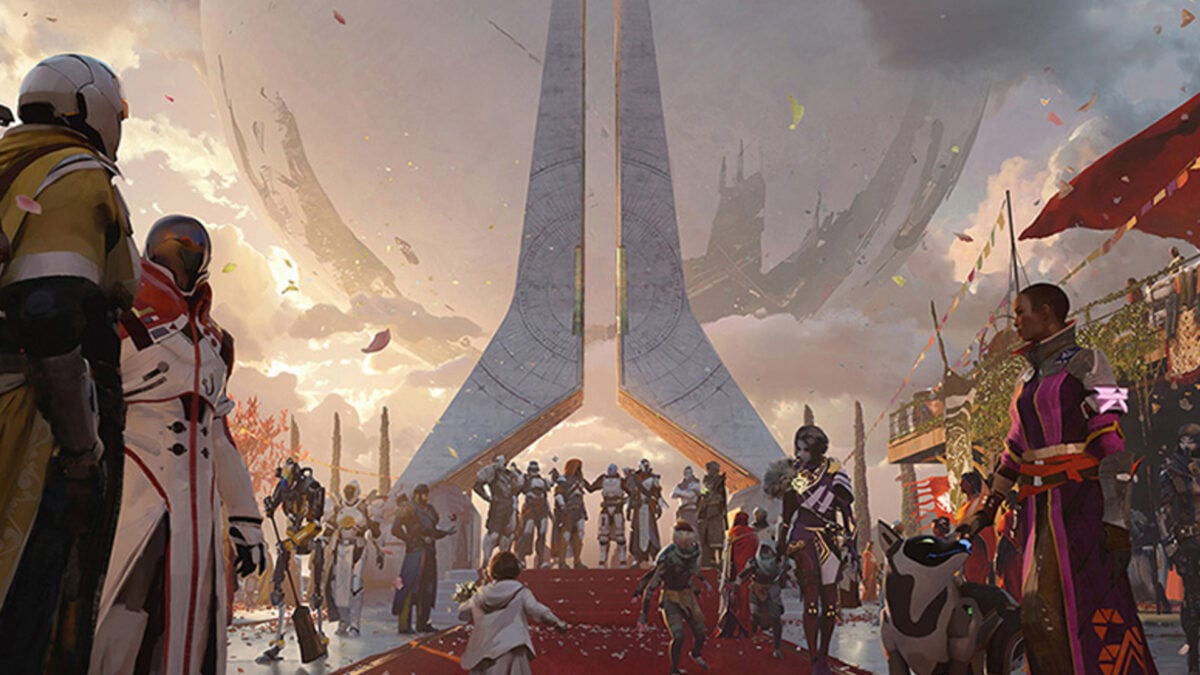
عملاق خدمة حي استمر عقدًا يصل إلى نهايته
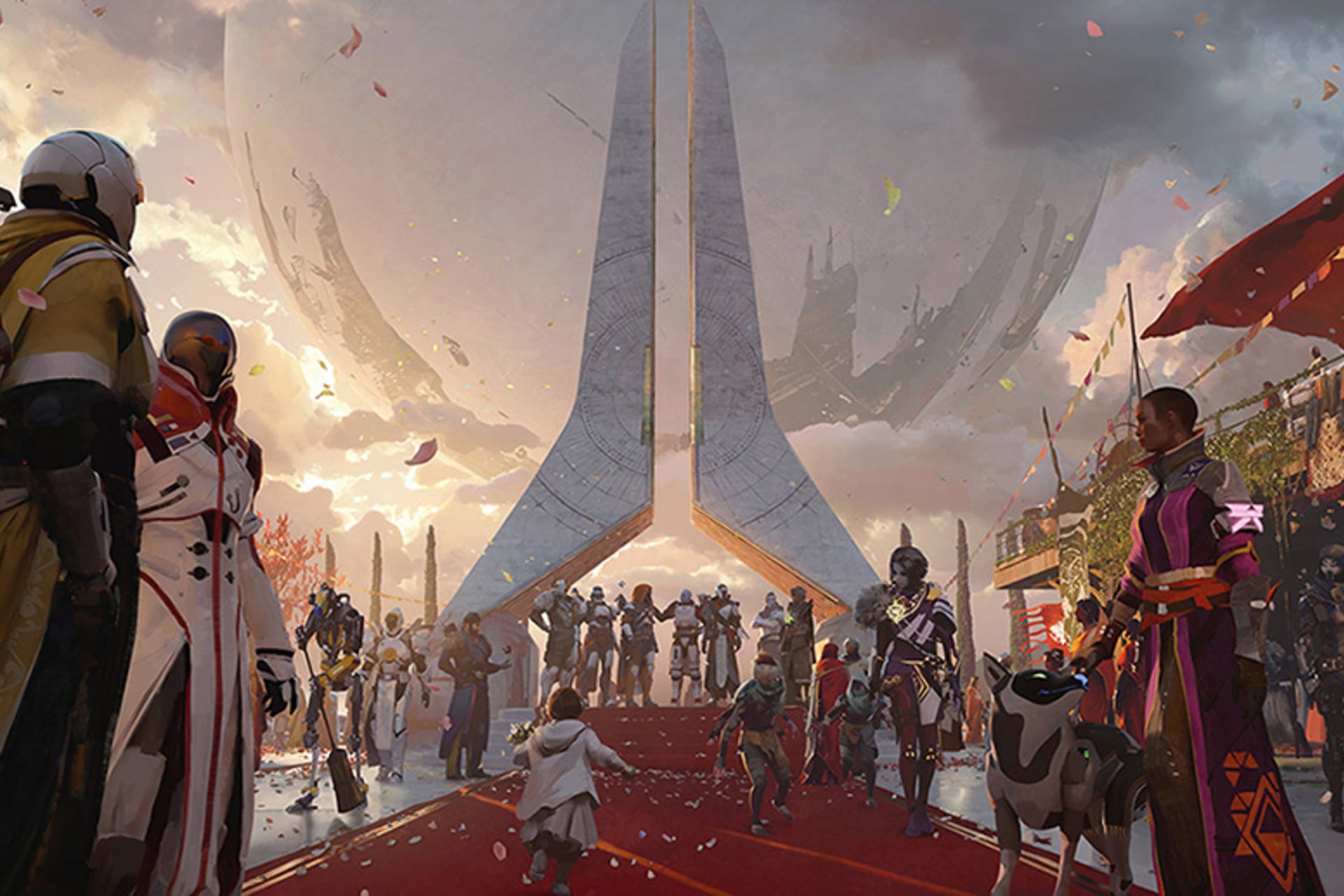
أنهت Bungie لعبة Destiny 2 عبر تحديث “Monuments of Triumph”، منهيةً الدعم النشط لهذه اللعبة التصويرية ذات العالم المشترك بعد ما يقارب 10 سنوات من الإضافات والسرد الموسمي وطقوس المجتمع. تأتي الخاتمة بمزيج من العاطفة وعدم الاكتمال: فاللعبة تمنح اللاعبين وداعًا رسميًا، لكنها تترك أيضًا خيوطًا سردية تشير إلى مستقبل لا تعمل Bungie على بنائه حاليًا.
هذا المزيج يجعل النهاية غير مألوفة. كثير من الألعاب الإلكترونية طويلة الأمد تبهت عبر تحديثات أصغر فأصغر، أو إغلاق مفاجئ، أو هجر صامت. أما Destiny 2 فقد سُمح لها أن تقدم وداعها بنفسها. يركّز التحديث الأخير على الإغلاق، ويعود إلى شخصيات غير لاعبة رئيسية، ويدعو اللاعبين إلى التأمل في حالة المجرة وتاريخ الحارس الخاص بهم. ووفقًا للنص المصدر المقدم، فإن هذه المشاهد مؤثرة من دون ادعاء أنها تحل كل شيء. بعض الشخصيات تتجه نحو مستقبل جديد، وأخرى تتلقى لحظات ختامية مؤثرة، والأثر العام أقرب إلى توقف مشحون بالأمل منه إلى نهاية حاسمة.
وداع تشكّل على نبرة Destiny
هذا الإحساس بـ”إلى اللقاء لاحقًا” ينسجم مع السلسلة. فمهما تنوعت النبرة وإعادة الضبط الميكانيكية والتحديثات المثيرة للجدل، كثيرًا ما قدّمت Destiny نفسها حول الاستمرار والتجدد وفكرة أن الانتكاسات ليست نهائية بالكامل أبدًا. يبدو أن التحديث الأخير يحافظ على هذه الهوية. فبدلًا من إغلاق كل الأبواب، يعترف بأن اللاعبين استثمروا في عالم أكبر من أن تحله أي رقعة واحدة.
وفي الوقت نفسه، يسلط هذا الختام الضوء على واقع أصعب في تطوير الألعاب الحديثة. أوقفت Bungie دعم Destiny 2 بينما تحوّل اهتمامها إلى Marathon ومشاريع أخرى محتملة. ويشير النص المصدر إلى أن Bungie لا تعمل حاليًا على Destiny 3، مع تقارير تفيد بأن مثل هذا المشروع سيكون مكلفًا في الإنتاج. وهذا يضع السلسلة في حالة معلقة: محبوبة بما يكفي لتطالب بالاستمرار، لكنها مكلفة بما يكفي لتعقيد الطريق إلى الأمام.
الإيحاء الذي قد يكون الأهم
لم تغادر اللعبة بهدوء على صعيد السرد. قبل انتهاء الدعم، كانت Destiny 2 قد دخلت المرحلة المبكرة من “Fate Saga”، ويقال إن المواد النهائية تتضمن كشفًا كبيرًا مفاده أن الحراس كانوا سيتواجهون في النهاية مع الـWinnower. في أسطورة السلسلة، هذه ليست تفصيلة صغيرة. فالـWinnower يعود إلى اللعبة الأولى ويمثل واحدًا من أقدم التناقضات الكونية في السلسلة، المرتبط بالصراع الطويل بين الظلام والنور.
تكمن أهمية هذا الكشف في أنه يعيد تأطير الخاتمة. فبدلًا من مجرد إغلاق قوس مكتمل، أظهرت Bungie فعليًا للاعبين جزءًا من الطريق الذي لم يُسلك. عمليًا، يذكّر ذلك بأن ألعاب الخدمة الحية غالبًا ما تحتوي على مستقبل لم يُطلق قط. وعاطفيًا، يمنح المجتمع شيئًا آخر ليتخيله ويناقشه ويُحزن عليه.
مجتمع لا يزال يحضر
يقول رد الفعل على الإيقاف شيئًا مهمًا أيضًا عن قدرة السلسلة على البقاء. يذكر النص المصدر أن خبر التحديث النهائي دفع أعداد اللاعبين إلى أعلى مستوى شوهد خلال أشهر، ثم إلى أعلى مستوى خلال سنوات بمجرد إطلاق التحديث. وهذه نتيجة لافتة للعبة في نهاية دعمها النشط. فهي تشير إلى أنه حتى بعد سنوات من التوسعات غير المتساوية والمشاعر المتبدلة، ما زال جمهور كبير يرغب في حضور الفصل الختامي.
لقد شكّل هذا النمط جزءًا كبيرًا من تاريخ Destiny. فقد أرهقت السلسلة اللاعبين، وأثرت في بعض أسوأ غرائز الخدمة الحية في صناعة الألعاب، وعانت من عدم اتساق في التسليم. لكنها أعادت الناس مرارًا بفضل أسلوب إطلاق نار مميز، وأسلحة وقوى لا تُنسى، وموسيقى لافتة، ولمحات من طموح لم يضاهها فيه سوى القليل من المنافسين. وبقاء السلسلة مدة أطول مما كان يتوقعه كثيرون هو جزء من حجة أهميتها.
ما الذي تتركه Bungie خلفها
مع انتهاء الدعم، أصبح مستقبل Bungie أكثر ارتباطًا بما سيأتي بعد ذلك، وخاصة Marathon. لكن الاستوديو يترك أيضًا دراسة حالة عن كل من وعود العوالم الإلكترونية المستمرة وتقلباتها. أظهرت Destiny 2 كيف يمكن للعبة حية أن تصبح عادة اجتماعية وأرشيفًا للّور ومنطقة راحة ميكانيكية لملايين اللاعبين. كما أظهرت مدى صعوبة الحفاظ على هذا الحجم من دون تنازلات.
إذا صدر جزء رئيسي آخر في نهاية المطاف، فقد يُذكر آخر تحديث لـDestiny 2 كجسر لا كشاهدة قبر. وإن لم يحدث ذلك، فإن “Monuments of Triumph” يقف بوصفه نهاية واعية بذاتها على نحو غير مألوف للعبة بُنيت على الاستمرار الدائم. إنه يطوي الكتاب بما يكفي ليشعر اللاعبون بالخسارة، مع ترك مساحة مفتوحة بما يكفي لإبقاء العالم حيًا في الذاكرة.
هذه المقالة مبنية على تقرير من Gizmodo. اقرأ المقال الأصلي.
Originally published on gizmodo.com