X Square Robot تستهدف عنق الزجاجة في بيانات الذكاء الاصطناعي المجسّد
أعلنت X Square Robot عن جعل XRZero-G0 مفتوح المصدر، وهو إطار عتاد-برمجيات مصمم لجمع بيانات تدريب من دون روبوت من أجل التلاعب الدقيق، إلى جانب مستودع متعدد الوسائط مدته 2,000 ساعة يُسمى G0-Dataset. وتقول الشركة إن النظام يمكنه خفض متطلبات بيانات التدريب من الروبوتات الحقيقية بما يصل إلى 20 مرة في الظروف التجريبية.
إذا صمد هذا الادعاء في سياقات أوسع، فإنه يعالج أحد القيود الأساسية في الروبوتات والذكاء الاصطناعي المجسّد: جمع بيانات تفاعل فيزيائي عالية الجودة بطيء ومكلف وصعب التوحيد. ويُطرح XRZero-G0 كمحاولة لجعل هذه العملية أكثر قابلية للتوسع عبر نقل جزء أكبر من عملية الجمع إلى إعداد منظم يديره البشر ويمكن لاحقًا نقله إلى منصات روبوتية مختلفة.
كيف تم بناء النظام
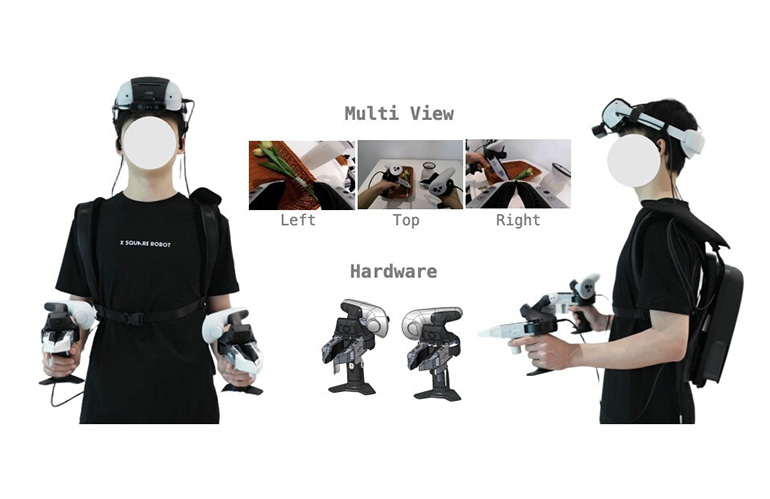
بحسب النص المصدر المقدم من The Robot Report، يجمع XRZero-G0 بين كاميرا مثبتة على الرأس وكاميرتي معصم لالتقاط كل من السياق البيئي الواسع والتفاعلات القريبة بين اليد والشيء. ويشمل العتاد نظارة واقع افتراضي PICO 4 مع تتبع مكاني داخلي وخارجي، إضافة إلى ملقطين فعليين، يوصفان بأنهما ملقط على شكل H يعمل بالضغط وملقط على شكل G يعمل بالأصابع.
يدعم الإطار أيضًا تقدير الوضعية بست درجات حرية بدقة ملليمترية، ويستخدم تحليلًا زمانيًا مكانيًا على الحافة لمزامنة البيانات البصرية واللغوية والمرتبطة بالمسار. عمليًا، يحاول النظام تحويل العروض البشرية إلى مادة تدريبية قابلة للاستخدام آليًا من دون الحاجة إلى أن ينفذ روبوت كل مثال في الوقت الحقيقي أثناء جمع البيانات.
لماذا يهم الجمع من دون روبوت
غالبًا ما يواجه باحثو الذكاء الاصطناعي المجسّد مفاضلة بين الواقعية والحجم. فمجموعات بيانات الروبوتات الحقيقية مفيدة مباشرة لكنها مكلفة في جمعها. أما البيانات المحاكاة فهي أسهل في التوسع لكنها كثيرًا ما تواجه صعوبة في الانتقال النظيف إلى العالم المادي. ويقف XRZero-G0 في منطقة وسطى: جمع عروض من إنسان في إعداد مجهز بعناية، ثم استخدام تلك السجلات لتدريب سياسات يمكن أن تنتقل إلى أشكال روبوتية لم تُر من قبل.
وتقول X Square Robot إن الإطار يهدف إلى سد الفجوة بين إدراك الإنسان وإدراك الآلة عبر توحيد عملية الجمع وجعل البيانات الناتجة أسهل في فحص الجودة. ويُعد التركيز على مراقبة الجودة مهمًا لأن الكمية الخام نادرًا ما تكفي في الروبوتات. فحتى الانحرافات الصغيرة بين الرؤية والحركة والتوقيت يمكن أن تجعل مجموعة البيانات أقل فائدة بكثير مما تبدو عليه على الورق.
خط أنابيب حوكمة لقابلية التدريب
يتضمن نهج الشركة ما تسميه خط أنابيب مغلق الحلقة يغطي الجمع والفحص والتدريب والتقييم. ويقسم النص المصدر ذلك إلى ثلاث طبقات. على مستوى الملاحظة، تُستخدم الاتساقية الهندسية متعددة الرؤى لتقليل عدم التطابق بين الرؤية والحركيات. وعلى المستوى الحركي، تقوم الحركيات العكسية الكاملة للجسم مع قيود الاصطدام وحدود المفاصل بفلترة المسارات غير الصالحة. وعلى مستوى السياسة، يُستخدم التشغيل على روبوت حقيقي كمعيار التحقق النهائي.
وتكمن أهمية هذا الهيكل في أنه يوحي بأن الشركة لا تسوق مجموعة بيانات فحسب، بل أيضًا منهجية لتحديد ما إذا كانت الأمثلة من دون روبوت جيدة بما يكفي للتدريب. في الروبوتات، يمكن للبيانات السيئة أن تخلق وهمًا بالاتساع بينما تضعف أداء السياسة. والإطار الذي يتعامل مع الفحص والتحقق كخطوات أساسية يبدو أكثر مصداقية من إطار يركز فقط على عدد الساعات المجمعة.
ما الذي يعنيه الادعاء التجريبي
قالت X Square Robot إن التجارب المضبوطة أظهرت أن الجمع بين نحو 10 حلقات من دون روبوت وحلقة واحدة باستخدام روبوت حقيقي يمكن أن يحقق أداءً مشابهًا لمجموعات البيانات المعتمدة كليًا على الروبوتات الحقيقية في المهام التي تم تقييمها. هذا ادعاء ضيق لكنه مهم. وهو لا يعني أن بيانات من دون روبوت تلغي الحاجة إلى بيانات حقيقية بالكامل. لكنه يعني أن الشركة تعتقد أن كمية صغيرة نسبيًا من التفاعل الحقيقي يمكن تعزيزها بواسطة بيانات عروض بشرية منظمة.
النص المصدر لا يحدد النطاق الكامل للمهام أو المعايير أو حالات الفشل، لذا ينبغي التعامل مع النتيجة بوصفها نتيجة تجريبية مبلّغًا عنها لا قاعدة عامة. ومع ذلك، وحتى ضمن هذا القيد، تبقى الإشارة جديرة بالاهتمام لأنها تشير إلى مسار عملي لتقليل أحد أكثر تكاليف الروبوتات ثباتًا.
لماذا قد يهم الإطلاق المفتوح
إن فتح الإطار ومجموعة البيانات ذات الـ 2,000 ساعة يخفض الحاجز أمام الباحثين الخارجيين لاختبار النهج بدلًا من مجرد قراءته. وهذا مهم بشكل خاص في الذكاء الاصطناعي المجسّد، حيث تكون قابلية إعادة الإنتاج غالبًا محدودة بسبب اختلافات العتاد ومجموعات البيانات المغلقة وممارسات الجمع غير المتسقة.
إذا تمكنت فرق أخرى من التحقق من مكاسب مشابهة، فقد يصبح XRZero-G0 بنية تحتية أكثر من كونه مجرد أثر بحثي لمرة واحدة. وحتى إذا اختلفت النتائج بحسب المنصة أو مهمة التلاعب، فإن وجود مجموعة بيانات عامة كبيرة مع مدخلات متعددة الوسائط ومتزامنة يعد مساهمة ذات مغزى في المجال.
الصورة الأوسع
الإطلاق لا يحل وحده مشكلة ندرة بيانات الروبوتات، لكنه يعكس تحولًا أوسع في القطاع. فالشركات تتعامل بشكل متزايد مع خطوط أنابيب البيانات وجودة الوسم ونقل التجسيد باعتبارها أصولًا استراتيجية لا مشكلات تقنية ثانوية. ويمثل XRZero-G0 مثالًا واضحًا على هذا الاتجاه: العنوان ليس روبوتًا جديدًا، بل طريقة جديدة لتعليم العديد من الروبوتات بكفاءة أكبر.
هذه المقالة مبنية على تقرير The Robot Report. اقرأ المقال الأصلي.
Originally published on therobotreport.com