يُطلب من lidar أن يفعل أكثر من رسم الأشكال
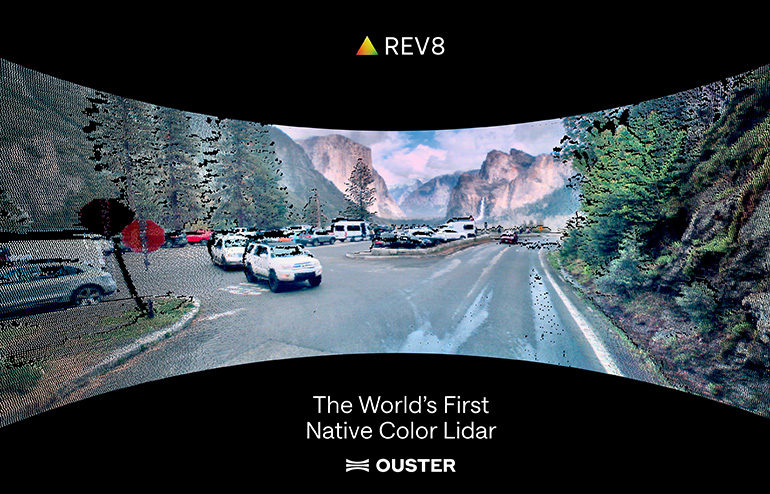
أطلقت Ouster عائلة Rev8 من مستشعرات lidar الرقمية من فئة OS، مقدمةً ما تقول الشركة إنه أول lidar في العالم بقدرة رؤية لونية أصلية، إلى جانب قفزة كبيرة في أداء الاستشعار الأساسي. ووفقًا لنص المصدر المرشح، يستخدم Rev8 شريحة L4 من الجيل التالي من Ouster ويوفر مدى ودقة يصلان إلى الضعف مقارنة بالجيل السابق. وتجعل هذه التركيبة الإطلاقَ لافتًا ليس بوصفه مجرد تحديث للمكوّنات، بل بوصفه خطوة استراتيجية في كيفية تطور الإدراك الروبوتي.
الفكرة الأكبر وراء الإطلاق بسيطة: الآلات تحتاج على نحو متزايد إلى فهم العالم بسياق أوسع، لا بمجرد المزيد من النقاط. فقد حظي lidar التقليدي بتقدير كبير بسبب البنية والمسافة والهندسة. وتوفر الكاميرات اللون والملمس. وتتمثل رسالة Ouster مع Rev8 في أن إدخال اللون الأصلي مباشرة إلى lidar يغيّر طبقة الإدراك نفسها، ويمنح الأنظمة المستقلة وصفًا أغنى لما تراه من دون إجبار المطورين على ربط عدد كبير من تفسيرات المستشعرات المنفصلة في المراحل السابقة.
ما الذي يغيّره Rev8 على الورق
يقدم نص المصدر المرشح حجة تقنية مفصلة تشرح لماذا ترى Ouster أن Rev8 إصدار تأسيسي. فالعائلة الجديدة مبنية على Ouster Silicon من فئة L4 وتضم معماريات L4 ذات 128 قناة وL4 Max ذات 256 قناة. وتقول Ouster إن المنصة مصممة للسلامة الوظيفية والموثوقية والقدرة على تحمّل التكاليف والتوسع. كما تقول الشركة إن البنية الجديدة قادرة على معالجة بيانات الألوان، وتوفر HDR مدعومًا عتاديًا، وتدعم ما يصل إلى 10.4 ملايين نقطة في الثانية مع 22.4 غيغابت في الثانية من النطاق الترددي خارج الشريحة.
تكتسب هذه المواصفات أهمية لأن أنظمة الإدراك أصبحت عنق زجاجة في كثير من برامج الاستقلالية. فمدى أفضل يساعد على الاكتشاف المبكر. والدقة الأعلى تحسن تفاصيل المشهد. والقدرة الأكبر على المعالجة تتيح استخدام مزيد من المعلومات من دون زمن تأخير غير مقبول. وإذا اجتمعت هذه المكاسب معًا، يمكن للمطورين إنجاز المزيد من كل موضع مستشعر وربما تقليل بعض المقايضات التي ظلت تحدد استشعار الروبوتات لفترة طويلة.
وقد صاغ الرئيس التنفيذي لشركة Ouster، أنغوس باكالا، الإصدارَ بعبارات واسعة، واصفًا Rev8 بأنه أكثر عائلات مستشعرات lidar تقدمًا التي أطلقتها الشركة، ومؤكدًا أن lidar ذا اللون الأصلي سيمنح الآلات «رؤية بشرية ثلاثية الأبعاد» للمرحلة التالية من الذكاء الاصطناعي المادي. هذه لغة طموحة، لكنها تتماشى مع استراتيجية الشركة الأوسع المتمثلة في تجاوز دور مورّد مكوّنات lidar فقط.
من مورّد مستشعرات إلى مورّد منصة
أحد أكثر الأجزاء دلالة في نص المصدر ليس ادعاء اللون، بل السياق التجاري المحيط به. فقد استحوذت Ouster مؤخرًا على StereoLabs مقابل 38 مليون دولار، وهي خطوة وصفها باكالا بأنها جزء من بناء أعمال أنظمة أو منصة. ويشير ذلك إلى تحول أوسع في سوق الروبوتات. إذ تبحث الشركات بصورة متزايدة عن حلول إدراك تقلل عبء التكامل بدلًا من مجرد بيع كتل عتادية منفصلة.
ويزداد ذلك أهمية في ما تصفه كثير من الشركات الآن بالذكاء الاصطناعي المادي: أنظمة يجب أن تدرك وتستدل وتتحرك في بيئات حقيقية وعلى نطاق تجاري. وفي هذا السياق، لم يعد العملاء مهتمين كثيرًا بالجدل حول ما إذا كانت الكاميرات أو lidar أفضل من الناحية الفلسفية. إنهم يريدون حِزم إدراك تعمل. ويعكس تأطير Ouster الخاص هذه البراغماتية. فقد قال باكالا إن الكاميرات وlidar لا ينبغي النظر إليهما على أنهما في حالة تناقض، وإن السؤال الصحيح هو أي مستشعر هو الأنسب للمهمة.
لذلك يبدو Rev8 في آنٍ واحد إطلاق منتج ورسالة تموضع. إذ تجادل Ouster بأن lidar يمكن أن يصبح أكثر إدراكًا للسياق مع الحفاظ في الوقت نفسه على المزايا البنيوية التي جعلته ذا قيمة في مجال الاستقلالية منذ البداية. وإذا صمد هذا الادعاء في النشر الفعلي، فإن الشركة تعزز حجتها بأن أنظمة الروبوتات المستقبلية ستحتاج إلى منصات استشعار متكاملة بدلًا من مكونات محددة ضيقًا.
لماذا قد يكون اللون الأصلي مهمًا في الذكاء الاصطناعي المادي
ستجذب عبارة «lidar بقدرة رؤية لونية أصلية» الانتباه لأنها تمس مباشرة إحدى المشكلات الأساسية في إدراك الروبوتات: كيفية الجمع بين الهندسة والسياق الدلالي. فالبنية تخبر الروبوت بمكان وجود الأشياء ومدى بعدها. ويمكن للون أن يساعد في تمييز المواد والوسوم والإشارات وعناصر المشهد التي قد تكون مهمة للملاحة أو المعالجة. وحجة Ouster هي أن الإدراك يتحسن عندما تُوحَّد هذه الأشكال من المعلومات بدلًا من دمجها لاحقًا على نحو فضفاض.
وتقول الشركة إن Rev8 يمثل تحولًا في إدراك الذكاء الاصطناعي لأن السياق الكامل يتطلب البنية واللون معًا. إنه ادعاء قوي، لكنه متماسك استراتيجيًا. فالروبوتات العاملة في المستودعات أو الشوارع أو المواقع الصناعية أو البيئات المختلطة مع البشر تحتاج بشكل متزايد إلى أكثر من مجرد رصد العوائق. إنها تحتاج إلى نماذج أفضل للعالم. وقد توفر المستشعرات القادرة على تغذية هذه النماذج ببيانات أغنى وأكثر تطابقًا ميزة ملموسة.
وسيحكم السوق الآن على Rev8 من خلال التنفيذ. فالسؤالان الحاسمان هما ما إذا كان اللون الأصلي يحسن الاستقلالية في العالم الحقيقي بشكل ملموس، وما إذا كانت مكاسب الأداء تصمد في ظروف النشر، وما إذا كان العملاء يرونه موثوقًا وبأسعار معقولة بما يكفي لدعم الإنتاج على نطاق واسع. وقد صممت Ouster الإعلان بوضوح للرد على هذه المخاوف مسبقًا، من خلال التركيز على السلامة والموثوقية وقابلية التصنيع بدلًا من المواصفات البارزة فقط.
وهذا التركيز في محله. ففي الروبوتات، تُقاس المسافة بين عرض مبهر ومنتج قابل للحياة عادةً بالموثوقية والتكلفة وجهد التكامل. وتكمن أهمية Rev8 في أنه يعالج هذه العوامل الثلاثة على الأقل من حيث الوعد. وإذا أدى المنتج كما هو موصوف، فقد يساعد على نقل lidar من كونه مدخل إدراك متخصصًا إلى دور أكثر مركزية في حزمة الذكاء الاصطناعي المادي الأوسع.
- أطلقت Ouster عائلة Rev8 OS من lidar باستخدام شريحة L4 من الجيل التالي.
- تقول الشركة إن Rev8 يوفر lidar برؤية لونية أصلية ومدى ودقة يصلان إلى الضعف مقارنة بالجيل السابق.
- تتموضع المنصة لخدمة الاستقلالية والسلامة الوظيفية والنشر على نطاق إنتاجي.
- يدعم الإطلاق تحول Ouster الأوسع من مورّد مكوّنات إلى شركة منصات إدراك.
هذه المقالة مبنية على تقرير من The Robot Report. اقرأ المقال الأصلي.
Originally published on therobotreport.com