Commercial robotics gathers around AI, openness and human interfaces
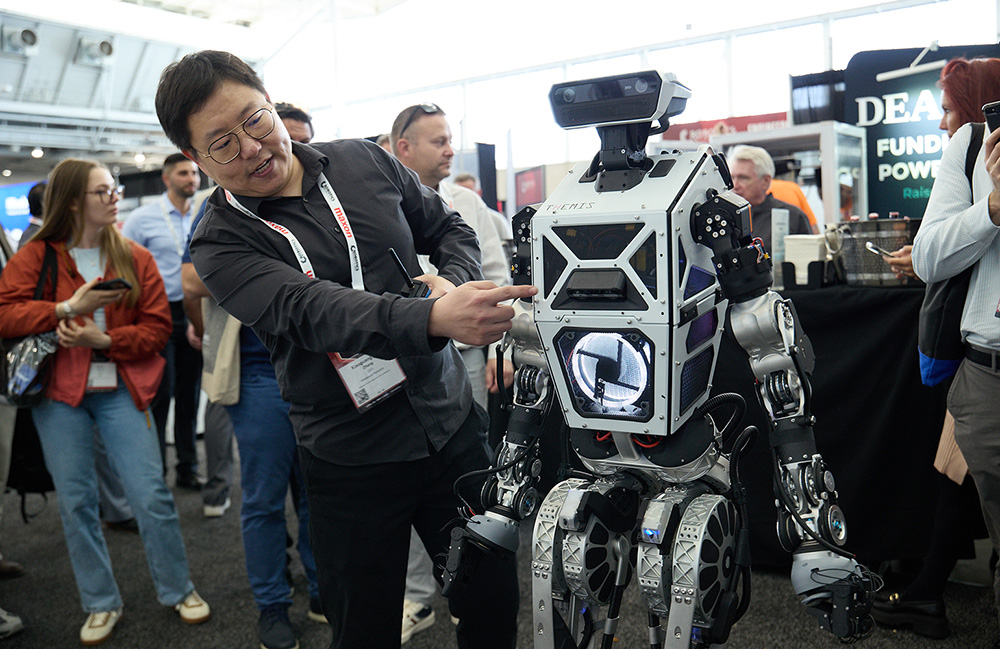
The final day of the 2026 Robotics Summit & Expo in Boston offers a concentrated look at where commercial robotics is heading. While the source item is agenda-driven, the schedule itself reveals a sector focused on AI integration, production readiness, real-world deployment and new forms of human-machine interaction.
The day opens with the Women in Robotics Breakfast and moves into keynotes from Open Robotics board chair and Intrinsic CTO Brian Gerkey, GM robotics strategy head Mikell Taylor, and later Noland Arbaugh, identified in the source as the first person to use a Neuralink brain-computer interface.
What the keynote lineup signals
Gerkey’s keynote, titled An Open Foundation for the Age of AI-Powered Robots, points to one of the most important strategic questions in robotics: whether the next wave of autonomy will be built on shared infrastructure or on closed vendor stacks. That topic sits near the center of the current robotics market, where software interoperability and development speed are becoming as important as hardware performance.
Taylor’s keynote, What Makes a Robot Worthy?, suggests another industry concern: proving usefulness, trust and practical value rather than novelty. That emphasis fits a commercial environment where customers increasingly want robots that solve labor, throughput and safety problems without demanding heroic integration work.
AI moves from concept to product
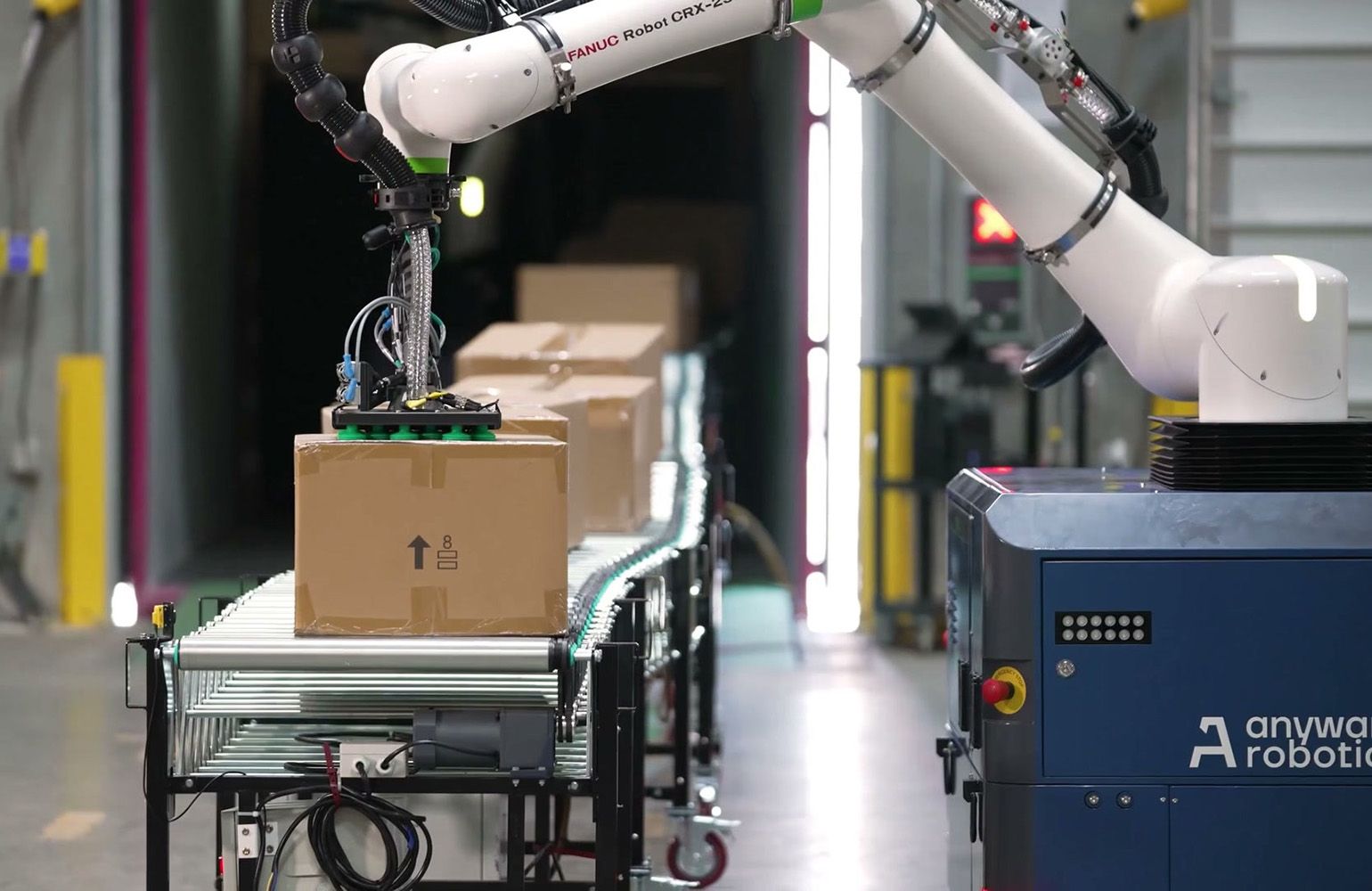
The breakout schedule reinforces that commercial turn. Sessions on productizing AI in robotic systems, where AI delivers in material handling, and a new front end for robot conversation all suggest the industry is moving past general enthusiasm and toward concrete implementation questions.
That matters because robotics has often struggled at the boundary between impressive demos and reliable deployment. Agenda items focused on production-ready force and torque sensors, field lessons, and latency in telesurgery indicate a sector confronting operational details rather than avoiding them.
Human-machine boundaries are also shifting
The closing keynote from Arbaugh adds a different dimension. His talk on life after receiving a Neuralink brain-computer interface broadens the summit’s frame from industrial automation to human potential and direct neural interaction. In the context of a robotics event, that is significant. It suggests that assistive interfaces, neurotechnology and robotic control are increasingly part of the same innovation conversation.
The source text does not make grand claims about commercial readiness for brain-computer interfaces, but the decision to feature Arbaugh prominently shows how seriously the field is taking the convergence of robotics, AI and neural systems.
Why this event still matters
Trade events can be heavy on marketing, and this source item is explicitly a guide to the last day’s programming. Even so, summit agendas are useful signals. They show what vendors, developers and organizers believe their market wants to hear about now. In this case, the answer is clear: open foundations, AI-powered robots, practical deployment lessons and emerging interfaces that may redefine how humans work with machines.
That combination makes the 2026 Robotics Summit & Expo worth watching despite the event-style packaging. The schedule points to an industry trying to industrialize AI, harden robotics for production use and expand the human side of the interface at the same time. Those are not side themes. They are the core development tracks shaping commercial robotics in 2026.
This article is based on reporting by The Robot Report. Read the original article.
Originally published on therobotreport.com