The Rise of Physical AI
A global competition is intensifying around physical AI — the convergence of artificial intelligence with robotics and physical-world systems that can see, think, and act in real environments. After years of AI progress concentrated in software and digital applications, 2026 is shaping up as the year when AI-powered physical systems move from laboratory demonstrations to real-world deployment at scale.
The shift represents a fundamental expansion of AI's impact from the digital realm into the physical world. While chatbots and image generators have dominated AI headlines, the companies and countries that master physical AI could reshape manufacturing, logistics, healthcare, and defense in ways that purely digital AI cannot.
Who's Leading the Charge
The United States and China are the clear front-runners in the physical AI race, but their approaches differ significantly. American companies including Boston Dynamics, Figure AI, Tesla, and Nvidia are pursuing humanoid and task-specific robots powered by advanced AI models. China's approach emphasizes manufacturing scale, with companies like Unitree Robotics and several state-backed initiatives focused on producing large numbers of capable robots at competitive price points.
Europe, Japan, and South Korea are also significant players, each bringing unique strengths. Japan's deep robotics heritage, South Korea's manufacturing prowess, and Europe's focus on safety and precision engineering all contribute to a diverse global ecosystem of physical AI development.
Manufacturing Transformation
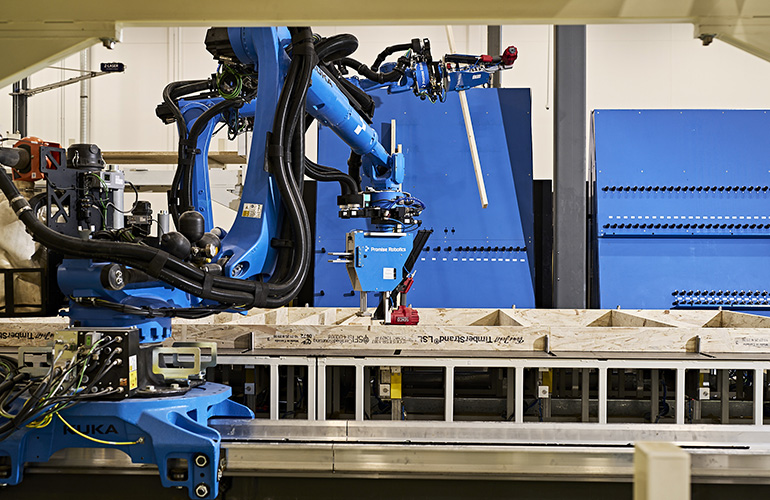
The most immediate impact of physical AI is being felt in manufacturing. AI-powered robots can now handle tasks that were previously too complex or variable for traditional automation. This includes manipulating irregularly shaped objects, adapting to variations in raw materials, and making real-time quality assessments that previously required human judgment.
Automotive manufacturers, electronics assemblers, and food processing companies are among the early adopters deploying physical AI systems in production environments. These deployments are moving beyond pilot programs into scaled implementations that handle significant portions of production workflows.

The Warehouse Revolution
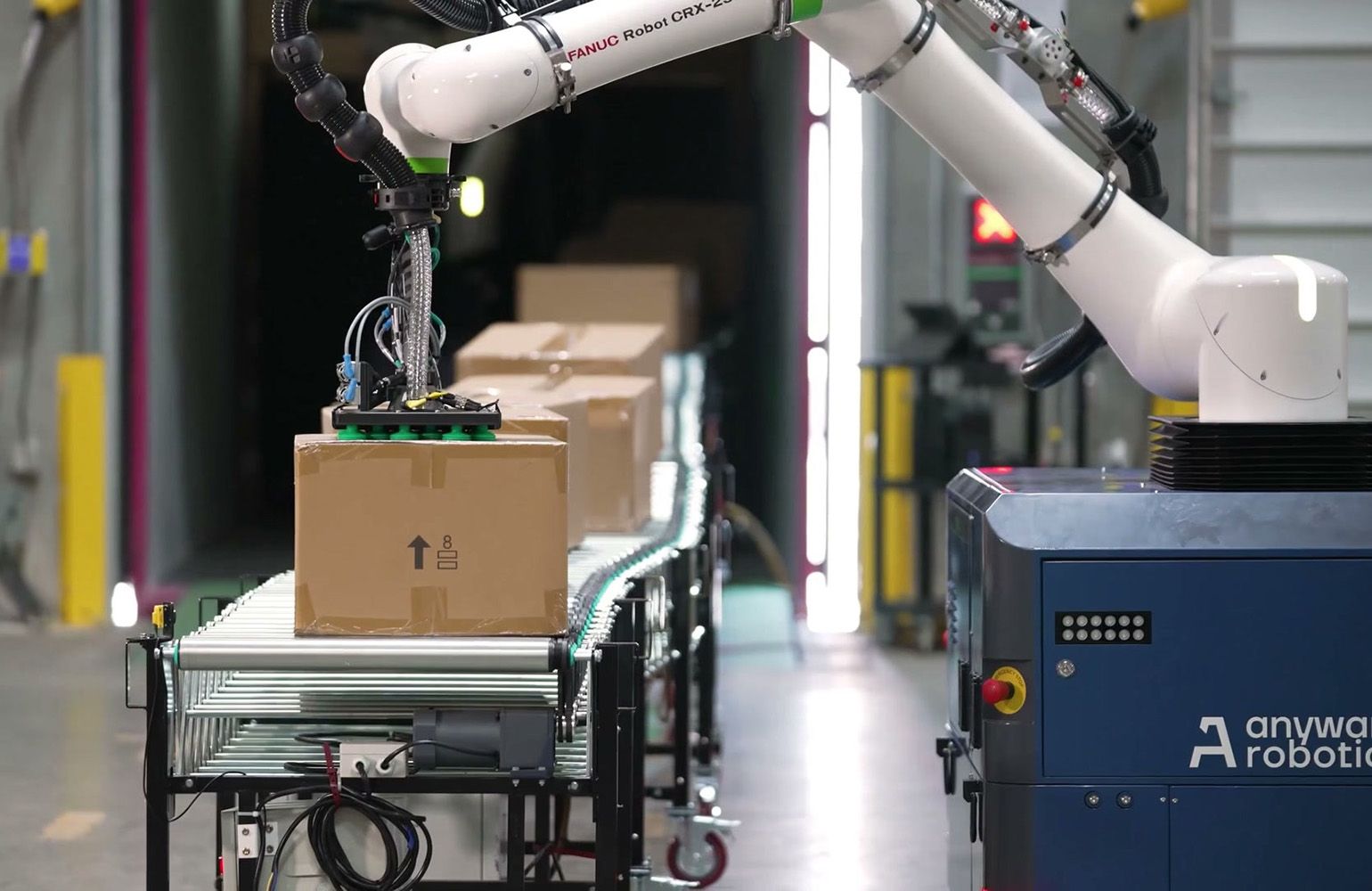
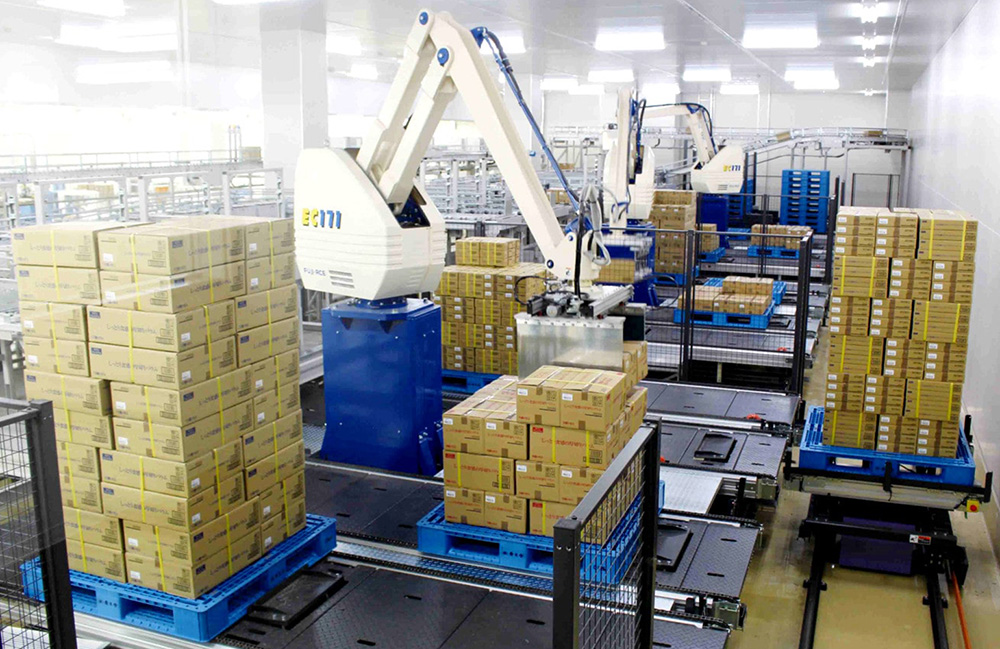
Logistics and warehousing represent another major frontier for physical AI. Companies like Amazon, which has invested billions in warehouse robotics, are deploying increasingly sophisticated systems that combine AI perception with physical manipulation to sort, pick, pack, and ship products with minimal human intervention.
The economic incentive is enormous. Labor costs in warehousing and logistics have risen sharply, while demand for fast, accurate order fulfillment continues to grow. Physical AI systems that can reliably handle the diversity of products in a modern warehouse could transform the economics of e-commerce and retail supply chains.
Key Enabling Technologies
Several technological advances are converging to make physical AI practical. Foundation models trained on massive datasets of physical-world interactions are giving robots better understanding of how objects behave. Improved sensors, including lidar, advanced cameras, and tactile sensors, provide richer environmental awareness. And more powerful edge computing hardware allows complex AI processing to happen on the robot itself rather than in the cloud.
Simulation technology is also playing a crucial role. Companies are training physical AI systems in highly realistic virtual environments before deploying them in the real world. This sim-to-real approach dramatically reduces the time and cost of developing capable robotic systems while improving safety during the development process.
Geopolitical Dimensions
The physical AI race carries significant geopolitical implications. Nations that lead in robotic manufacturing capabilities could gain advantages in economic productivity, military capability, and strategic autonomy. This recognition is driving government investment in physical AI research and development across major economies.
The defense sector is particularly interested in physical AI for applications ranging from autonomous logistics vehicles to robotic systems that can operate in environments too dangerous for humans. The military implications are adding urgency to government-funded research programs worldwide.
Challenges and Concerns
The rapid advancement of physical AI also raises important questions about workforce displacement, safety, and ethical deployment. As robots become more capable of performing tasks currently done by human workers, managing the economic transition becomes a critical policy challenge.
Safety remains paramount — physical AI systems operate in the real world where errors can cause injury or damage. Establishing robust safety standards and testing protocols for increasingly autonomous physical systems is an ongoing challenge for regulators and industry groups alike.
This article is based on reporting by AI News. Read the original article.
Originally published on artificialintelligence-news.com