Funding for a different kind of autonomous mobility
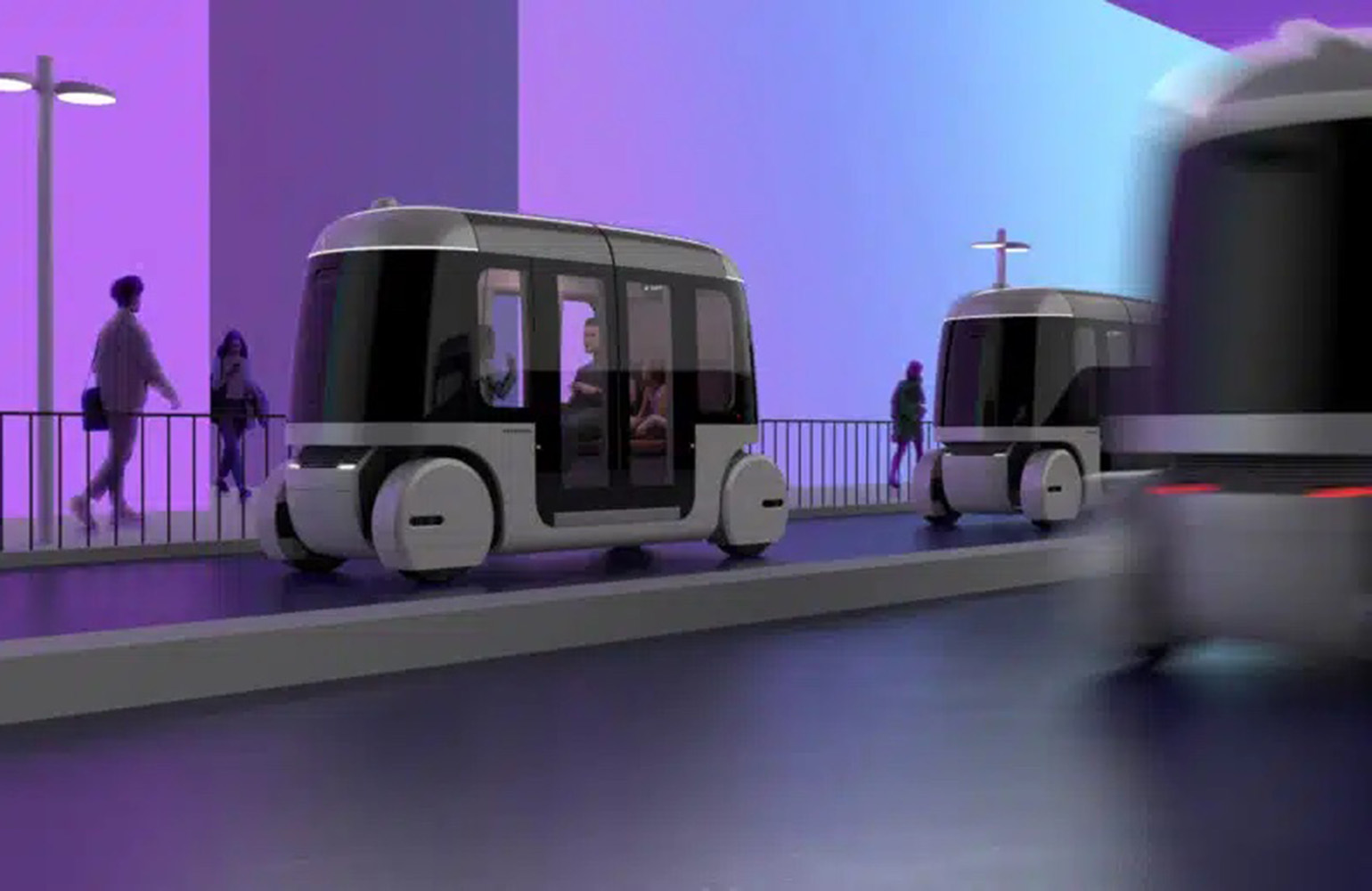
Glydways has raised $170 million to scale its autonomous vehicle technology, according to The Robot Report. The company plans to build networks of autonomous vehicle expressways intended to move people at 10 times the throughput of today's technology.
The raise is significant because it is aimed not merely at autonomous vehicles as standalone products, but at a network model. Glydways' stated plan centers on dedicated expressways where autonomous vehicles can move passengers through a managed system.
Why the network model matters
Autonomous transportation is often discussed in terms of individual cars, delivery vehicles, or robotaxis operating on ordinary streets. Glydways is positioning its technology around infrastructure-like networks. That distinction matters because throughput, routing, reliability, and safety can look very different when vehicles operate in a purpose-built corridor rather than in mixed traffic.
The company's claim that its networks can move people at 10 times the throughput of today's technology is ambitious. The source material does not provide the underlying assumptions behind that figure, so it should be treated as the company's stated plan rather than an independently verified result.
Scaling is the central challenge
The $170 million financing is framed around scaling. For autonomous mobility companies, scaling usually involves more than building more vehicles. It can include expanding production capacity, proving reliability, meeting regulatory requirements, integrating software and hardware, and securing deployment partners.
Glydways' expressway concept also implies coordination with cities, campuses, airports, or other entities that control transportation corridors. A network has to be planned, permitted, built, operated, and maintained. The financing gives the company more room to pursue that work, but the practical test will be deployment.
A signal for urban transportation
The investment shows continued interest in autonomous mobility despite the sector's high technical and capital demands. Investors appear willing to back approaches that promise not just vehicle autonomy, but measurable improvements in transportation capacity.
If Glydways can demonstrate high-throughput service in real operating environments, it could become part of the growing debate over how cities move people without simply adding more conventional road traffic. The company still has to prove that its model can deliver on its capacity claims, but the financing gives it a larger runway to try.
This article is based on reporting by The Robot Report. Read the original article.
Originally published on therobotreport.com